

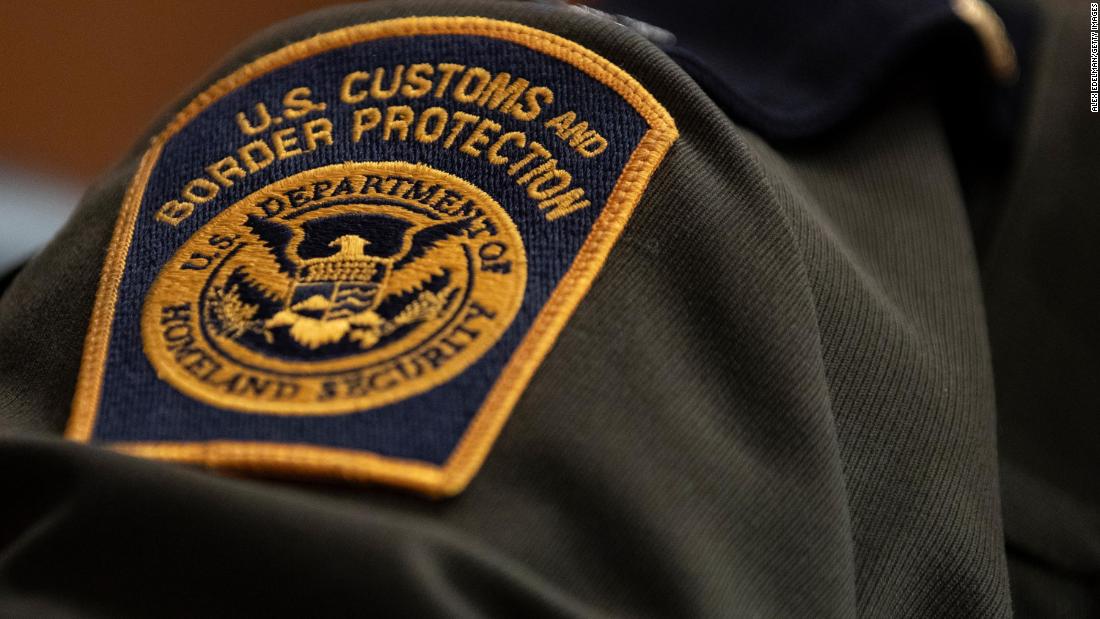

On Sunday, a flurry of social media posts surfaced with accounts of Iranian-Americans stuck at the US-Canada border in Blaine, Washington. The incident, which is now under review by the Department of Homeland Security’s Office for Civil Rights and Civil Liberties, quickly gained national attention as immigration advocates accused CBP of detaining Iranian-Americans based on their Iranian descent. It’s unclear when the agency made changes to an internal alerts system and whether that contributed to why individuals were pulled aside for additional questioning.
CBP has repeatedly said that it did not instruct officials to detain Iranian-Americans or refuse people entry into the US because of their country of origin. Revisions to the alerts system, however, are not distributed through a directive or memo, according to an agency official.
CBP declined to comment, citing law enforcement sensitivity. The agency regularly changes its alert criteria based on new intelligence or threats. The latest change is limited in scope and is not intended to target everyone of Iranian descent, according to one of the sources.
The change is part of the administration’s increased security posture following last week’s US drone strike in Iraq that killed a top Iranian commander. It places an added emphasis on screening people and cargo coming to the United States.
Targeting rules — an intelligence-based mechanism that helps CBP identify travelers who, based on their behavior, may pose a threat to the US — are one of many factors that help customs officers determine whether to pull an individual aside for additional questioning or deny entry into the US, according to an agency official.
“It’s a way of evaluating risk in an automated fashion,” said John Sandweg, former acting director of US Immigration and Customs Enforcement.
The Obama administration also evaluated targeting rules between 2011 and 2012 as part of a broader effort to address potential Iranian plotting against the US, according to John Cohen, professor at Georgetown University and former counter-terrorism coordinator at the Department of Homeland Security.
“They’re using intelligence, driving an understanding of the behavioral indicators associated with terrorists and others involved in illegal activity and using that to identify potentially high-risk travelers,” Cohen said.
“It’s not meant to be a tool leading to detention or arrest,” he added. “It just means people are going to be screened.”
Acting CBP Commissioner Mark Morgan said in a series of tweets Wednesday that the agency is committed to ensuring security while protecting the civil rights of travelers into the US.
“If a traveler is a rule ‘hit’, this individual can be selected for further vetting, interviewing, and inspection,” the GAO report stated.
Negah Hekmati, an Iranian-American, was among those held for an extended period of time in Blane over the weekend.
Darian Vaziri, a 21-year-old college student from Los Angeles, had been in Seattle with his sister and parents visiting family over the holiday. They decided to go to Vancouver for a quick overnight visit. Crossing into Canada, he said, “took about 30 seconds.” But on Saturday, on the way back into the US, “they told us to pull over. Told us to get out of the car.”

Vaziri, a US citizen, told CNN the officers were very respectful and did not give explicit indication as to why they were asking these questions, or who had told them to do so. But, he said, “It was very clear they were asking questions about Iran because we’re Iranian and because of what is going on.”
CBP press secretary Matt Leas said in a statement Sunday “social media posts that CBP is detaining Iranian-Americans and refusing their entry into the U.S. because of their country of origin are false. Reports that DHS/CBP has issued a related directive are also false.”
The agency also said that the Blaine port of entry experienced increased wait times “to an average of two hours on Saturday evening, although some travelers experienced wait times of up to four hours due to increased volume and reduced staff during the holiday season.”
A day later, CBP sent a message sent to congressional staff saying that field leadership had participated in a “teleconference with Acting Commissioner Morgan and Deputy Commissioner Perez, where the field was asked to remain vigilant and increase their situational awareness given the evolving threat environment.”
Former Department of Homeland Security officials noted that CBP has discretion to pull people aside for secondary inspection. Country of origin can be one of the factors for which travelers will be asked additional questions by customs officers when entering the United States, said former US Customs and Border Protection Commissioner Gil Kerlikowske, who pointed out that being pulled into secondary inspection doesn’t mean someone will be denied entry into the US.
Kerlikowske added that it’s likely that a security bulletin, such as the one issued by the Department of Homeland Security, would be shared with officers working at the port. “There’s briefings and roll call and information that’s given to these folks at the beginning of every shift,” he said.
CNN’s Nick Watt contributed to this report.
Recent Comments