
Tech News, Magazine & Review WordPress Theme 2017
  • Home
  • Supply Chain Updates
  • Global News
  • Contact Us
  • Home
  • Supply Chain Updates
  • Global News
  • Contact Us
No Result
View All Result
No Result
View All Result
Home Supply Chain Updates

Microsoft aims to be ‘carbon negative’ by 2030 across its supply chain

usscmc by usscmc
January 16, 2020
Microsoft aims to be ‘carbon negative’ by 2030 across its supply chain
Share on FacebookShare on Twitter

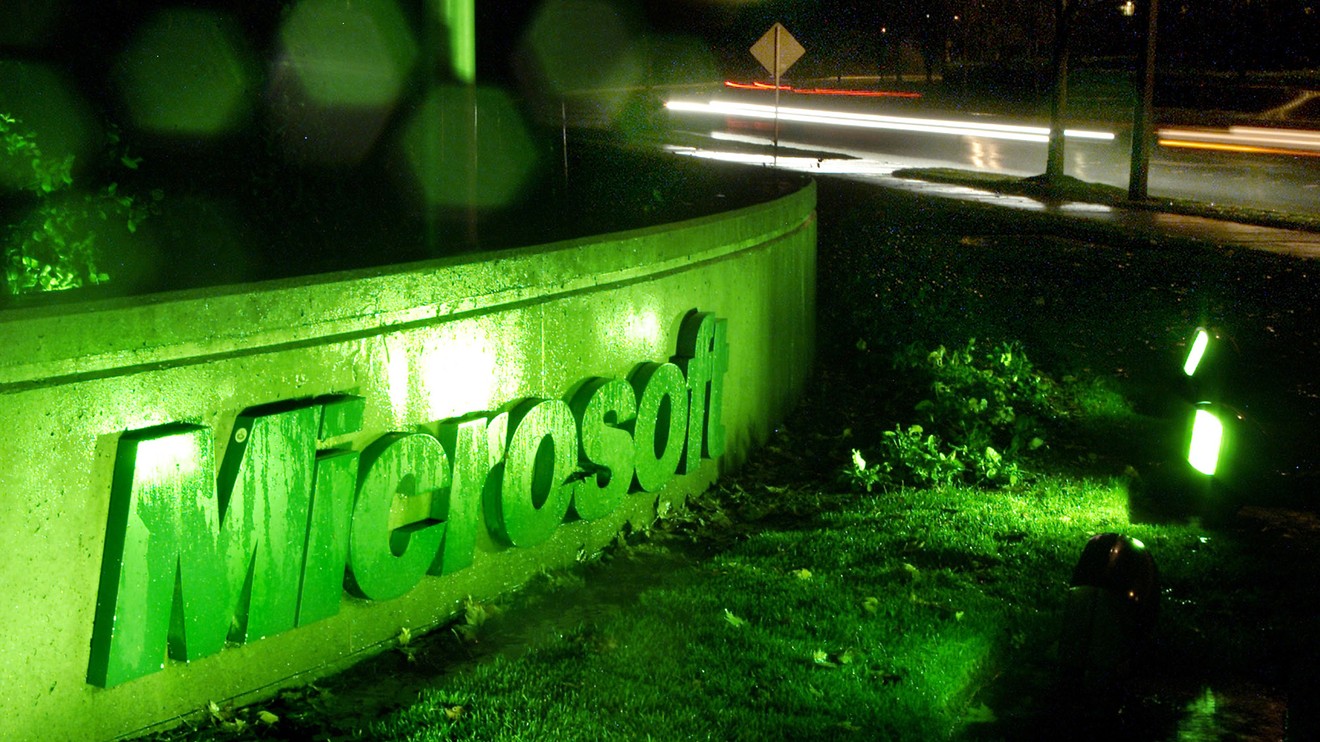
Microsoft is aiming to clean up its carbon footprint at its own home base and throughout its supply chain, believing it can go “carbon negative” by 2030, executives said Thursday.

Microsoft


MSFT, +1.18%


 in 2017 had pledged to cut its operational carbon emissions by 75% by 2030 but is stepping up that pledge with Thursday’s rollout.

“This is the decade for urgent action for Microsoft and for all of us,” said CEO Satya Nadella, in a streaming broadcast of the announcement.

Carbon negativity is the reduction of a carbon footprint to less than neutral, with the net effect of removing carbon dioxide from the atmosphere rather than adding it.

Nadella added that Microsoft believes by 2050 it can remove all the carbon it has emitted since the company’s 1975 founding.

The decade that just ended was by far the hottest ever measured on Earth, capped off by the second-warmest year on record, two U.S. agencies reported this week. “This is real. This is happening,” Gavin Schmidt, director of NASA’s Goddard Institute for Space Studies, said at the close of a decade plagued by raging wildfires, melting ice and extreme weather that researchers have repeatedly tied to human activity.

Nadella said Microsoft will achieve its green-minded goal in part with a new $1 billion climate innovation fund and will look at the environmental impact not only at its headquarters, but at the energy used and emissions released by component-making for its Xbox and other products.

Microsoft says it is responsible for 16 million metric tons of emissions across its transportation uses, office operations and its supply chain. It has plans to convert its transportation fleet to all-electric.

As far back as 2012, the company implemented an internal carbon fee, “taxing” carbon and excess energy use throughout its operations. The company said Thursday it will expand this program after already raising the fee last year to $15 per metric ton of carbon, a collection that finances a fund that the company uses for its green initiatives.

By July 1, the company will now apply the carbon tax to businesses along its supply chain, with the fee starting at a lower price that was not disclosed Thursday and building to $15 for each metric ton of carbon emissions.

Already, Microsoft was using a green-minded tool with the multibillion-dollar redevelopment of part of its 500-acre headquarters campus near Seattle to calculate the potential carbon footprint for new campus buildings, using data throughout the design and construction process to reduce the buildings’ carbon emissions by up to 30%. Some 11% of the world’s greenhouse gas emissions come from buildings, or at least from the construction of them, says a recent Urban Land Institute report.

Still, internal pressure at Microsoft persists. Some Microsoft employees staged a walk-out and released a public letter in September to protest the company’s work with oil companies, emphasizing that they’ve been made “complicit” in contributing to climate change. That action followed news that Microsoft would partner with oil companies, including Chevron


CVX, +0.41%


 , to “accelerate creation of innovative petrotechnical and digital technologies.”

Read: Climate crisis dominates the top risks in World Economic Forum report ahead of Davos

Employees at Amazon


AMZN, +0.53%


  and Alphabet’s Google


GOOGL, +0.38%


 have lodged similar protests. Amazon last year set a goal to meet the Paris Climate agreement objectives 10 years early, with a pledge to be carbon neutral by 2040, even for its Prime one-day shipping service.

Read: Jeff Bezos: Today’s climate-change deniers just ‘aren’t reasonable’

Microsoft’s shares have risen some 50% over the past year amid enthusiasm over the company’s Azure cloud-computing business and its subscription sales for software such as Office 365. Its market cap has topped $1 trillion with the stock move.

usscmc

usscmc

No Result
View All Result

Recent Posts

  • How Hapag Lloyd captured a major market share in the Container Shipping Industry in USA
  • Why USA’s East Coast is the Favorite Destination for Manufacturing Companies
  • How Trade Relations Between the USA and UK Improved After Keir Starmer Became Prime Minister
  • Tips and Tricks for Procurement Managers to Handle Their Supplier Woes
  • The Crazy Supply Chain of Walmart Spanning Across the Globe

Recent Comments

  • Top 5 Supply Chain Certifications that are in high demand | Top 5 Certifications on Top 5 Globally Recognized Supply Chain Certifications
  • 3 Best Procurement Certifications that are most valuable | Procurement Newz on Top 5 Globally Recognized Supply Chain Certifications

Archives

  • July 2024
  • June 2024
  • May 2024
  • April 2024
  • March 2024
  • February 2024
  • January 2024
  • December 2023
  • November 2023
  • October 2023
  • September 2023
  • August 2023
  • July 2023
  • June 2023
  • May 2023
  • April 2023
  • March 2023
  • February 2023
  • January 2023
  • December 2022
  • November 2022
  • October 2022
  • September 2022
  • August 2022
  • July 2022
  • June 2022
  • May 2022
  • April 2022
  • March 2022
  • February 2022
  • January 2022
  • December 2021
  • November 2021
  • October 2021
  • September 2021
  • August 2021
  • July 2021
  • June 2021
  • May 2021
  • April 2021
  • March 2021
  • February 2021
  • January 2021
  • December 2020
  • November 2020
  • October 2020
  • September 2020
  • August 2020
  • July 2020
  • June 2020
  • May 2020
  • April 2020
  • March 2020
  • February 2020
  • January 2020
  • December 2019
  • November 2019
  • September 2019

Categories

  • Global News
  • Supply Chain Updates

Meta

  • Log in
  • Entries feed
  • Comments feed
  • WordPress.org
  • Antispam
  • Contact Us
  • Disclaimer
  • Home
  • Privacy Policy
  • Terms of Use

© 2025 www.usscmc.com

This website uses cookies to improve your experience. We'll assume you're ok with this, but you can opt-out if you wish. Cookie settingsACCEPT
Privacy & Cookies Policy

Privacy Overview

This website uses cookies to improve your experience while you navigate through the website. Out of these cookies, the cookies that are categorized as necessary are stored on your browser as they are essential for the working of basic functionalities of the website. We also use third-party cookies that help us analyze and understand how you use this website. These cookies will be stored in your browser only with your consent. You also have the option to opt-out of these cookies. But opting out of some of these cookies may have an effect on your browsing experience.
Necessary
Always Enabled
Necessary cookies are absolutely essential for the website to function properly. This category only includes cookies that ensures basic functionalities and security features of the website. These cookies do not store any personal information.
Non-necessary
Any cookies that may not be particularly necessary for the website to function and is used specifically to collect user personal data via analytics, ads, other embedded contents are termed as non-necessary cookies. It is mandatory to procure user consent prior to running these cookies on your website.
SAVE & ACCEPT
No Result
View All Result
  • Home
  • Supply Chain Updates
  • Global News
  • Contact Us

© 2025 www.usscmc.com