

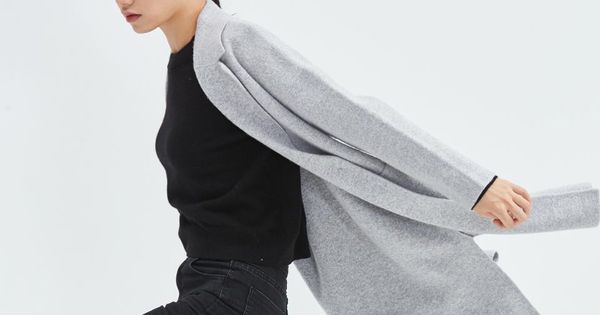

When former Amazon work colleagues Sydney Badger and Zakhar Ivanisov teamed up in 2018 they knew they wanted to build a different kind of fashion brand. What they learned in the process of developing their own product ultimately informed their new fashion start-up, Public Habit.
Public Habit
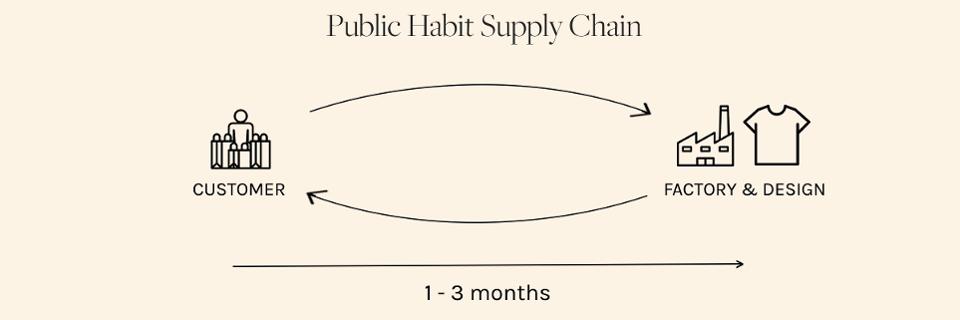
“Seeing all of the inefficiencies and bad practices, many of which we’d been a part of through the years, woke us up to the severity of the waste crisis in the fashion industry,” states Badger. “We personally saw rolls upon rolls of fabric at warehouses unused because brands over-ordered or simply didn’t want them anymore. We recognized that the only way to stop making more than we need is to only make what we sell and flip the supply chain on its head.”
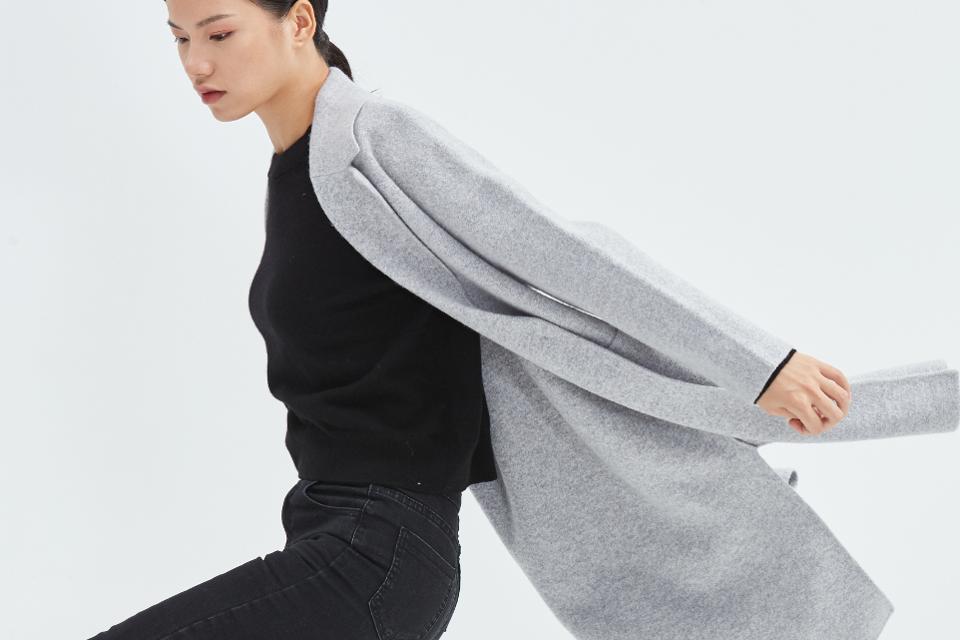
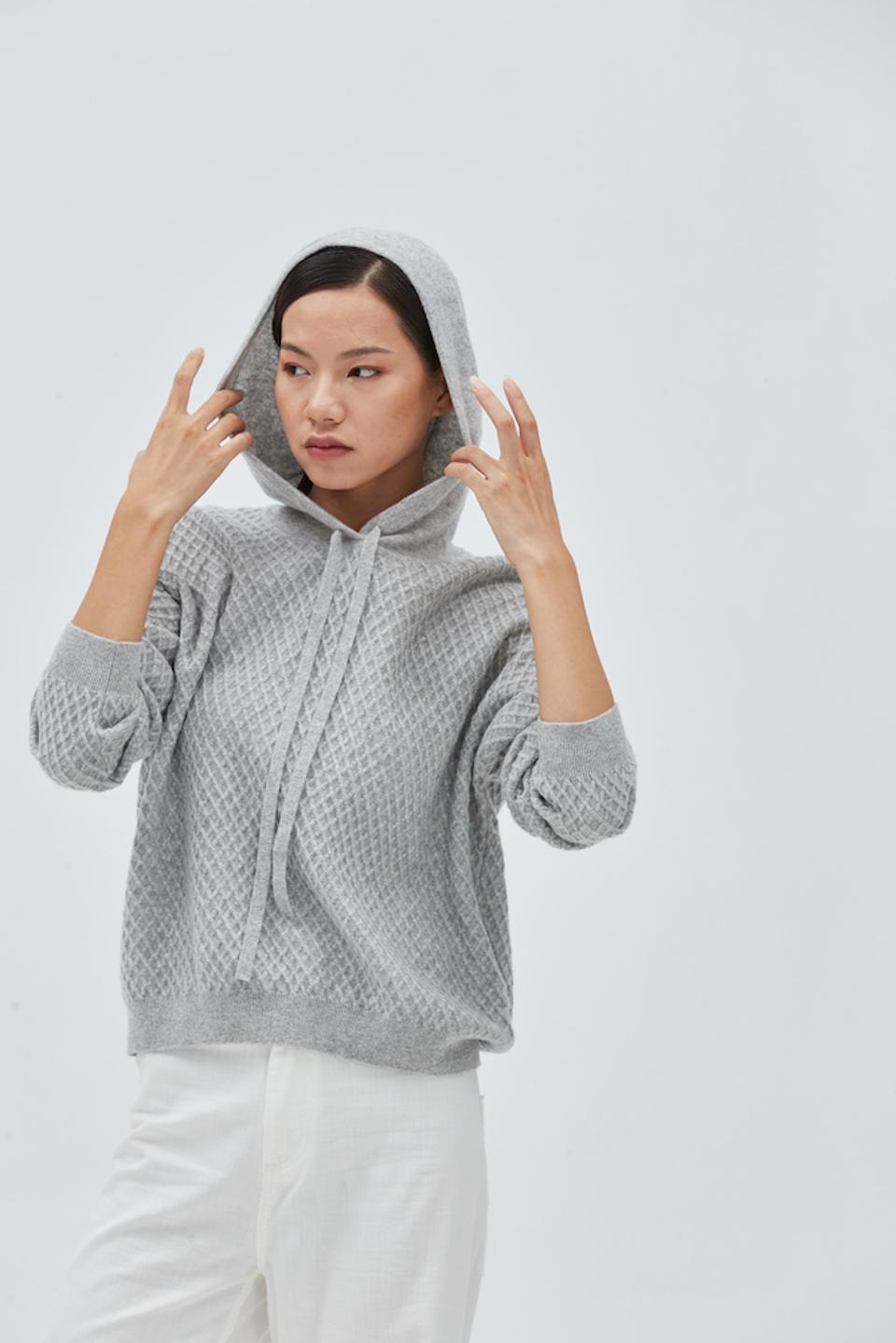
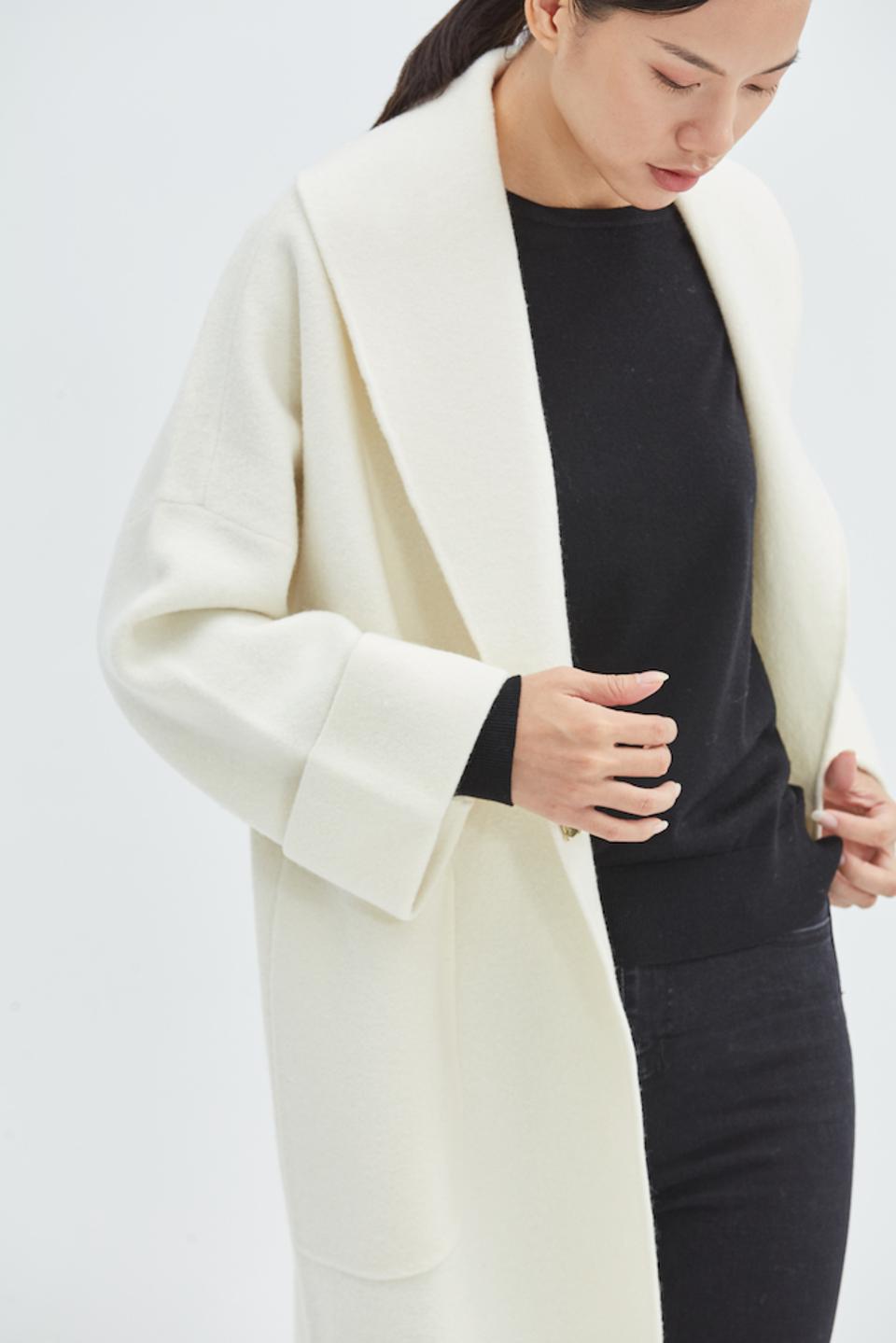
Offering timeless buildable pieces coupled with the mission to minimize waste, Public Habit launched this past fall and offers premium women’s essentials manufactured in top-tier facilities (where many other luxury brands are made) based on customer demand, not on supply predictions, and straight from the source. A men’s wear line will be debuting in 2020. “Our vision for Public Habit is to be the most mindful apparel company in the world. For us, that means being thoughtful about what and how we design, produce and deliver,’ says Badger.
Public Habit
Public Habit
Public Habit
Ivanisov tells me, “We talk a lot about ethical sourcing. But fashion is still as opaque as it’s ever been. There’s a lot of room for improvement and education.” Badger adds, “By going straight to the source and stripping out a lot of other inefficiencies in the supply chain, we can offer tremendous value and transparency on premium items.”
The way the fashion industry currently operates, there is waste on both the brand and consumer side. While Public Habit is currently focused on the tackling waste from the business side, it hopes to be an educational resource for consumers who want to minimize their personal impact.
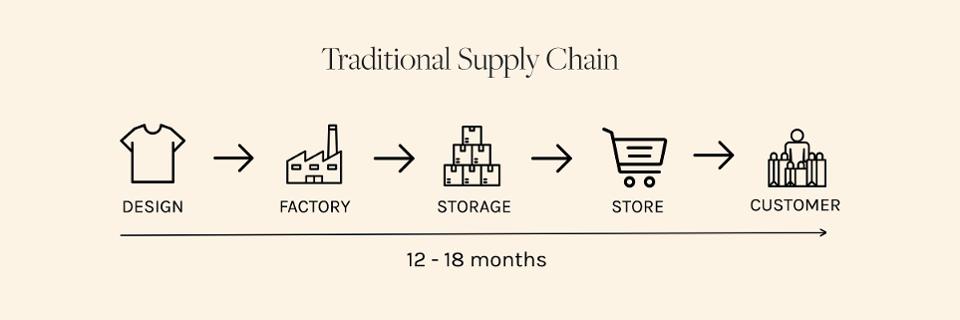
“We are intentionally slowing down fashion and asking consumers to wait a bit longer and eliminate unnecessary waste,” states Ivanisov. “ Some fast fashion brands develop upwards of fifty collections a year launching products once a week. We create classic pieces that will last for years in terms of quality and we only make what we sell. Our pieces take up to 20-25 days to get to consumers. This includes production, quality control, shipping, and delivery.”
Public Habit
Traditional Supply Chain
“On the brand side, 30% (1 out of three items) is never even sold with much of this inventory just sitting in warehouses,” states Badger. “We have enough clothing collectively in the US for ten years for every person. But some brands are image conscious and want to see their clothing donated or sold anywhere else.” Some readers may recall last year that a few luxury brands had PR nightmares once it was revealed that they actually burn clothing they can’t sell.
Globally, 80% of discarded textiles are doomed for the landfill or incineration with the remaining 20% reused or recycled.
“Clothing that ends up in landfills can sit there for 200-plus years, and as it decomposes, it emits methane—a greenhouse gas more potent than carbon. Traditionally, unwanted secondhand clothes are sent abroad to places like Pakistan and Malaysia, but some countries have started to reject the goods so even more are heading straight to landfills. Additionally, technology to recycle old clothes into new items isn’t ready yet for the scale that we need it,” continues Badger.
Public Habit
Public Habit
Public Habit
Another unique move for Public Habit is passing along savings to the customer by forgoing traditional ad campaigns and paid marketing.
“We decided that spending 30%+ of our sales on paid ads is not something we want to do. Instead we chose to lower our prices,” explains Ivanisov. “Marketing and advertising are typically huge expenses for fashion companies as they try to reach consumers and that’s one of the reasons why a t-shirt that costs $8-$10 to make retails for $60. This just didn’t make sense for us.”
Badger has studied, lived, and worked in various parts of China and in 2009 settled in Shanghai, which made choosing to find manufacturing partners in a place she’s not only familiar with, but has a deep admiration for the people, the culture, and the country that much easier.
Ivanisov tells me, “We wanted to show a different side of the country—one of hardworking empowered business owners making a difference like our primary cashmere suppliers that are run by women. We’re often asked why we’re focused on China. In part, we are proud of our supply chain and the quality of products we developed and we proudly sell garments ‘Made in China’ under ethical conditions and with innovative factories looking to the future. But we also seek to change consumption habits globally, including in China.”
“China is known as the world’s manufacturing hub but few know how deep and sophisticated their capabilities are in the textile industry,” adds Badger. “China’s specialization in the labor-intensive, export-led production of consumer goods since the 1950s has enabled a gradual sophistication in product complexity with many luxury goods from well-known brands being produced in China.”
Public Habit
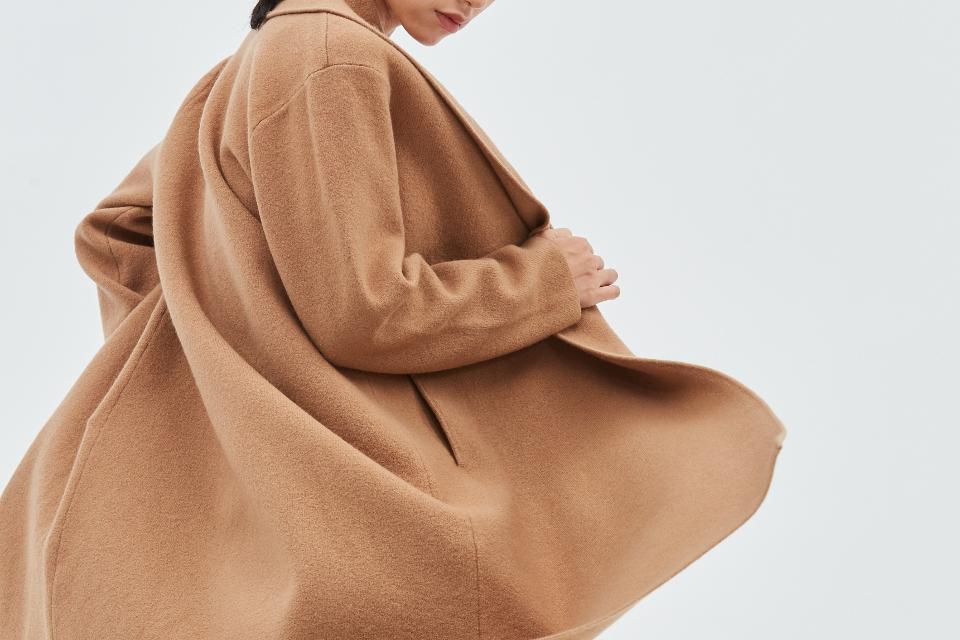
With many of Public Habit’s current offerings made from wool and cashmere, I was curious if the pair could shed a little light on China’s history with those specific textile types. Badger tells me, “Wool and cashmere textiles came from China’s borders to the north and west (Mongolia, Tibet) and only became widespread in the 19th and 20th centuries. All of these textiles, which either originated or were produced in China, were sought the world over from a very early date.”
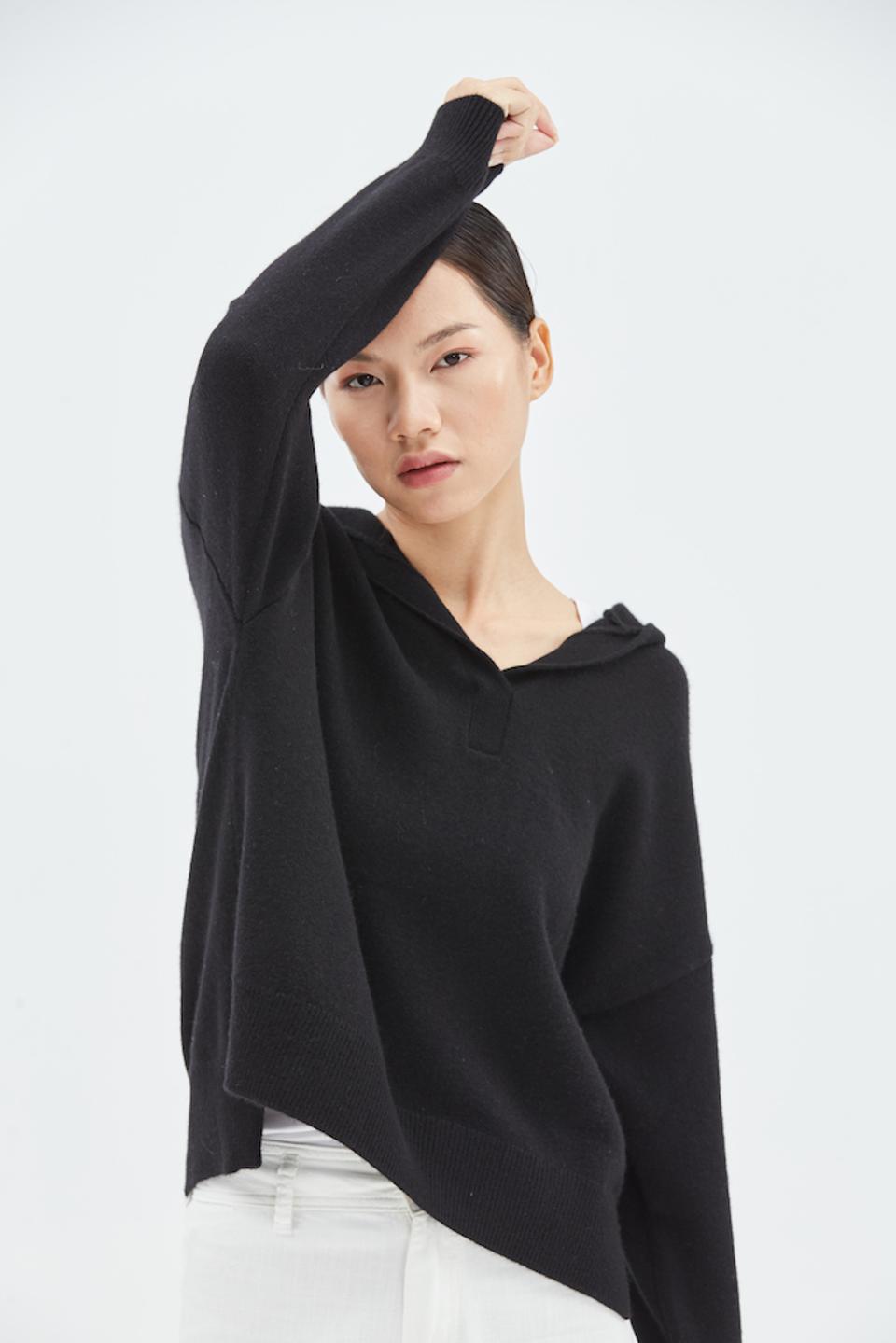
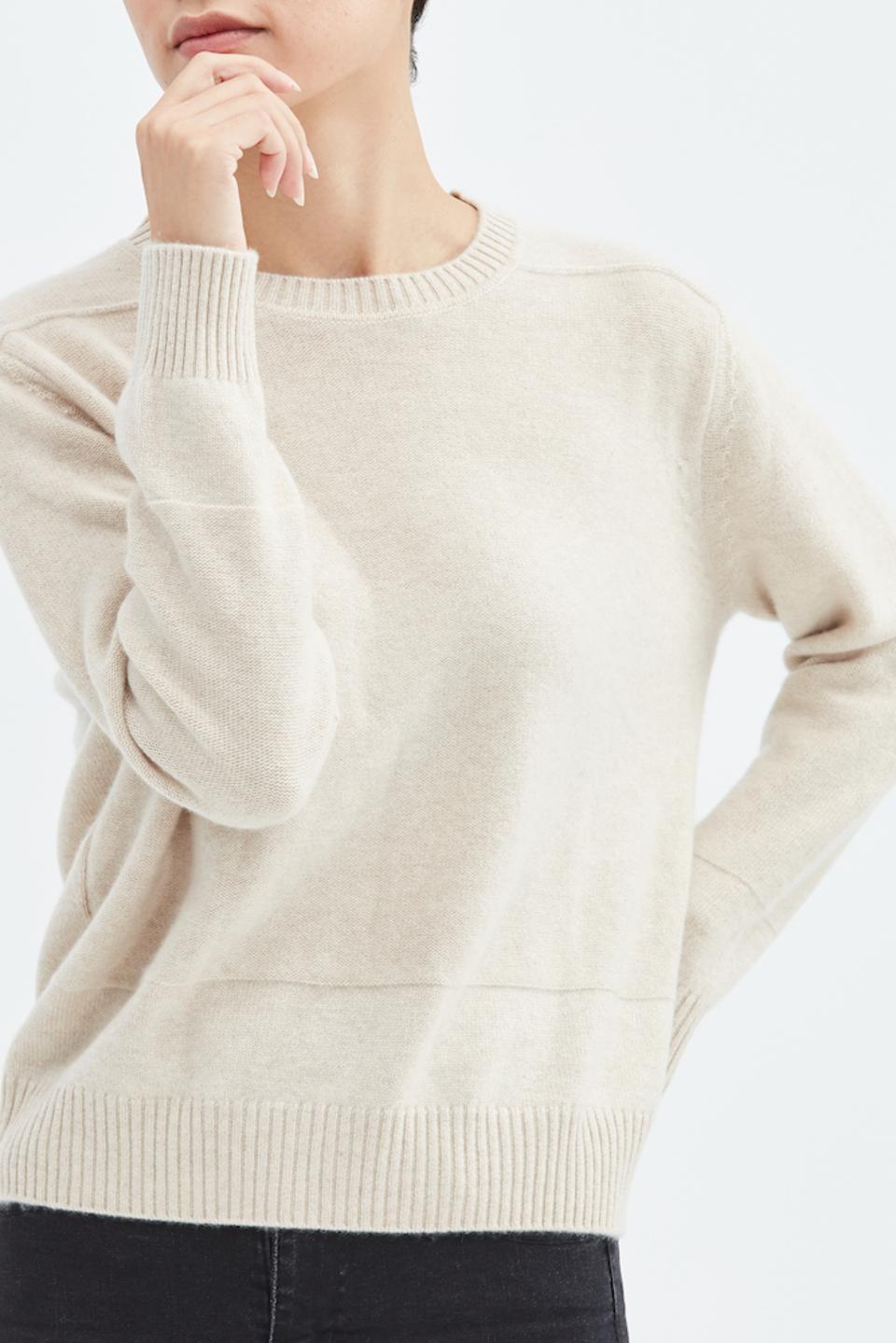
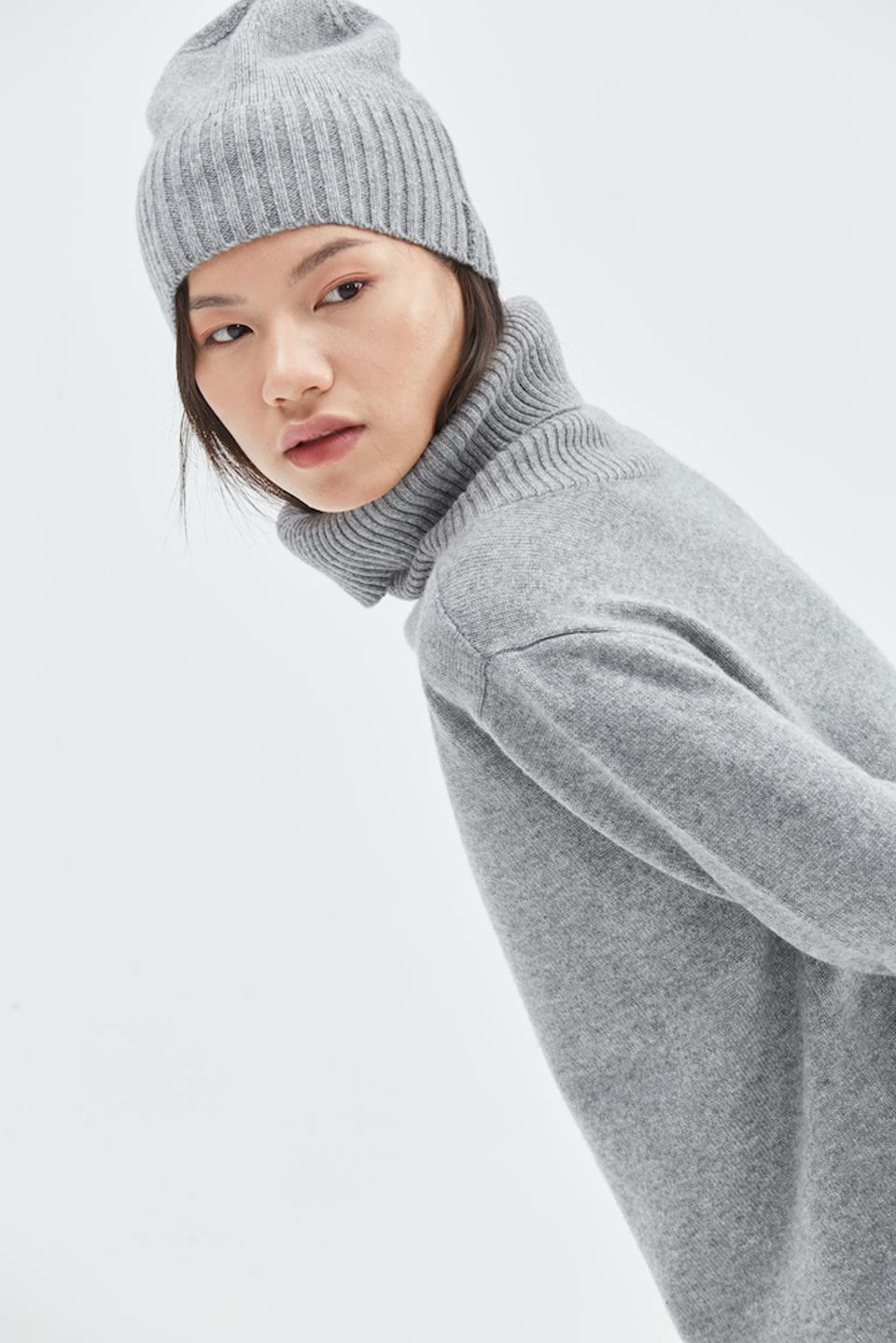
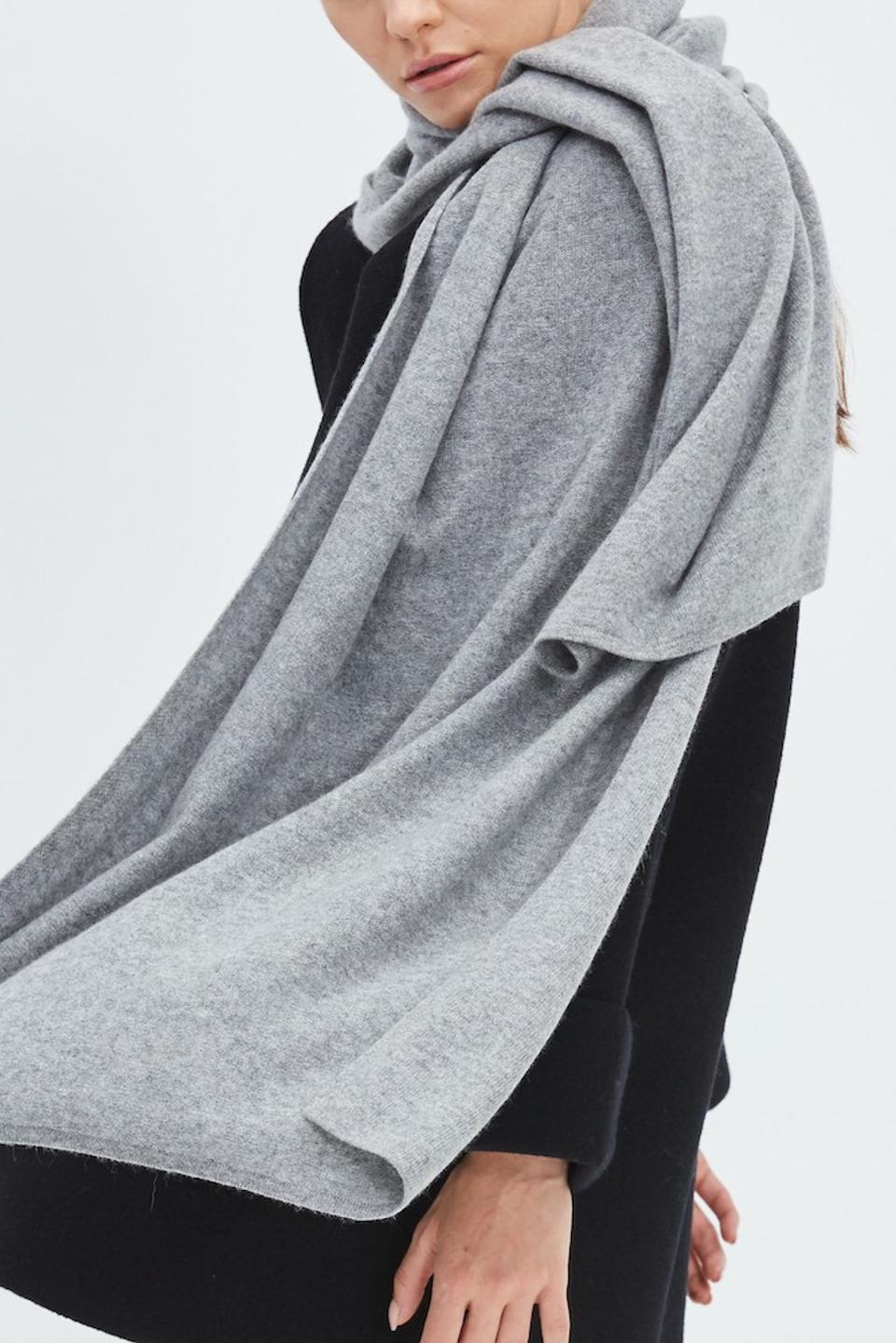
Currently, Public Habit offers beautifully made staples for any woman’s closet including cozy sweaters, tanks and tees, a perfect collection of outerwear in staple colors and in a variety of lengths. The brand also offers a wide selection of accessories including bags, scarfs, and wallets.
On what we can expect to see in the upcoming seasons Badger tells me, “Cashmere! Expanded color assortment for cashmere—think spring palette and summer weights with new styles and colors. For fall, we are hoping to introduce our first men’s styles. They’re always left out.”
Recent Comments