


Mechanical and physical controls among the most fascinating in an Integrated Pest Management (IPM) program. This arsenal involves numerous physical barriers, traps, nets, and other mechanical devices. In Grandpa Coffey’s garden, where this author received her earliest garden training, physical removal included two hands and a jar of soapy water. Even a pesty kid can remove Japanese beetles from corn and drop them in a jar. More sophisticated techniques included pulling outermost leaves off a head of cabbage and laying them on the ground as a trap. The next morning, Grandpa Coffey would stomp on the leaves, crushing the snails and slugs he had lured underneath. The glimmer in his eye suggested pest control might even be a little bit fun.
Simple techniques like Grandpa Coffey’s still apply in the home garden, but many more have been developed and are available through the garden catalogs readily available this time of year. This week, we’ll take a look at five of the options available to home gardeners, adding a dash of perspective from the world of commercial producers.
Yellow sticky traps: Used to entangle small, flying insects, traditional sticky traps are plastic cards covered with UV-resistant glue, placed just above plant material. For actual control, sticky traps work for thrips, whitefly, and fungus gnats — but are often recommended for aphids. While they will catch flying aphids, those with knowledge of aphid biology will use sticky traps as an indicator of presence rather than a management tool. Aphids typically have a “winged generation” only after a robust population of non-winged aphids has already built up. Winged aphids on a sticky trap means it’s time for close inspection of all the plants. Recently, die-cut, butterfly-shaped yellow sticky traps have emerged on the market costing $1.50 or more each. Similar results can be obtained with yellow plastic “party” plates and Vaseline.
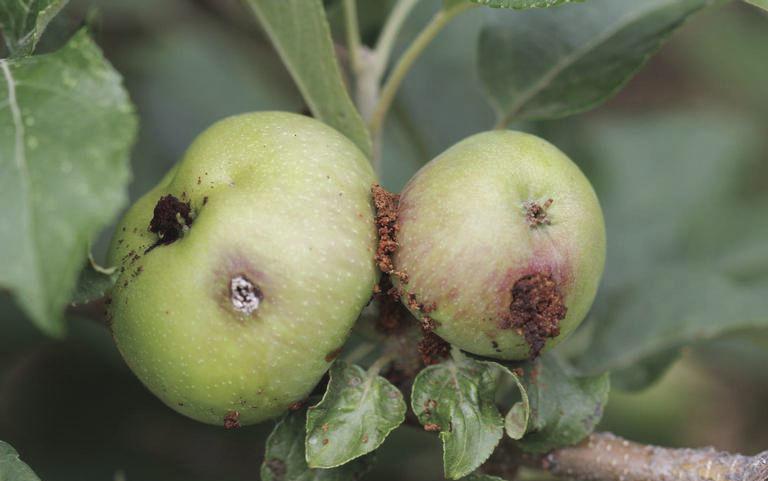
Pheremone traps: Pheromones are species specific — correct ID will be necessary to match the trap to the job. Insects controlled with pheremone traps include apple codling moth, a serious pest in the Pacific Northwest, and several species referred to as “pantry moths.” The pheromone traps lure males onto a sticky (hidden) surface, never to be seen again. Females are not attracted to the traps, but they also don’t lay any fertilized eggs, since the males have all disappeared. While these traps are extremely effective, control doesn’t happen overnight. Females and larvae may persist for some time, a pattern common to many IPM tactics. Success sometimes means having patience to allow less-toxic controls to run their course.
Dried blood: Typically sold under (more pleasant sounding) brand names as a natural repellent to use against rodents, deer and elk. Beef or pork blood is shaken on plants to discourage feeding. Product guidelines suggest the product may be good for anywhere from 1-3 months, depending on formulation. Precipitation impacts longevity — in periods of heavy rain, effective time will be drastically reduced. Among the many other repellent products on the market is coyote urine, also creatively named. Many repellents work temporarily, but lose effectiveness as the pest animals acclimate. Rotation of different products can lengthen the effective period. In the case of deer, this control would be combined with a cultural one — choosing deer-resistant plants. To maximize effectiveness, combine these with a high fence, a motion detecting light with siren, and a large dog that enjoys night patrols.
Floating row covers: Unlike row covers designed for cold protection, these covers are of lighter, water permeable fabric with good light penetration. Floating row covers are used on low-growing crops to create a barrier between plants and insects. Common uses are on cabbage, against cabbage butterflies, and on spinach and chard against spinach leafminers. Again, combine with another tactic — in this case, rotation. Spinach leaf miners pupate in the ground over winter, dropping off the plants after feeding. If spinach is planted in the same place after an infestation, new adults emerging from the soil might get trapped under the row cover. On flowering crops like strawberries, row covers must be removed during bloom to enable pollinator access to the plants.
Bird netting: Another example of a physical barrier, netting in trees can prevent birds from tearing developing fruit from our trees. It takes careful application and removal to avoid tearing nets, and nets are not the best look for trees: this tactic is not everyone’s favorite. Keeping fruit trees small makes application of the nets, and other aspects of fruit tree management, far easier. In commercial production, numerous tactics have been attempted: air cannons, air dancers (like those on used car lots), reflective mylar streamers. The Western IPM center is currently conducting work on caged apple orchards: read more at .
Nicole Sanchez is horticulture faculty at OSU’s Klamath Basin Research and Extension Center. For more information on this or other gardening topics, contact Sanchez at 541-883-7131 or [email protected], or attend a “Garden Gab” session at Leap of Taste, fourth Friday of each month, 8:30 to 9:30 a.m.
Recent Comments