


When you think of nuclear power, you might think of radioactive materials, expensive equipment or dangerous emissions. On the contrary, nuclear power produces no greenhouse emissions and has an incredible track record on safety with low operating costs. Nuclear power generates 20% of our nation’s electricity, and in Illinois, 11 operating nuclear reactors — including eight in the 16th Congressional District — provide 88% of the state’s emission-free electricity.
I’m proud to represent these nuclear power plants because they provide clean, reliable energy and create good jobs that strengthen our communities. Simply put, nuclear energy is essential to our proud Prairie State.
Yet the outlook for Illinois’ nuclear power fleet is looking grim. The financial viability of each generation station is in serious jeopardy due to several factors. Special interests, market forces, overly-burdensome regulations, and sadly, outright public corruption have, over time, created a growing resistance to nuclear power and hampered any sort of state-level solution.
Today, America is the world’s largest oil producer. And while it’s great to see the natural gas boom happening across the country, it’s producing more harmful emissions and putting economic stress on nuclear plants. The state-enacted subsidies for specific technologies such as wind and solar add to those stresses. We can and should support energy diversity, but not at the expense of our nuclear fleet.
When it comes to nuclear in Illinois, we are at a crossroads. If swift and decisive action is not taken in Springfield, there will be disastrous consequences — and here’s why.
Illinois is home to wind farms, solar farms, hydropower units, geothermal sources and renewable fuel plants. The Land of Lincoln serves as a perfect working example of a diverse, all-of-the-above approach to energy production, and as I serve in Congress, it’s what I seek to replicate where possible on a national scale.
Included in this mix of energy resources is our nuclear power plants, which serve as Illinois’ most abundant and reliable power source. When I visit schools in Byron or talk to constituents who’ve made their careers as control room operators or engineers at La Salle Station, I’m able to see the incredible legacy of this technology continue to thrive.
According to the Nuclear Energy Institute (NEI), the use of nuclear power across the United States in 2018 prevented the emission of 528 million metric tons of carbon dioxide — which is the amount released by about 112 million passenger cars in a single year — as well as hundreds of thousands in sulfur dioxide and nitrogen dioxide. Nuclear power generation saved Illinoisans from these emissions, further proving nuclear energy is one of the most important contributors to reducing dangerous gas emissions across the state and country.
Due to misplaced associations and unreasonable fears related to nuclear power, some self-proclaimed environmentalists are pushing for early plant retirements. I would respectfully remind those people that America’s nuclear energy facilities are among the safest and most secure industrial facilities. In more than 60 years of commercial nuclear energy production in the U.S., zero health effects have been linked to their operation. According to the Illinois Emergency Management Agency (IEMA), there has been no release of radioactive material or radiation in 30 years of commercial shipments of spent nuclear fuel.
It’s hard to deny the important role nuclear energy plays, and must continue to play, in keeping greenhouse gas emissions low while also providing abundant, affordable, around-the-clock power. For example, when the polar vortex struck the United States in 2014, coal piles froze, diesel generators couldn’t operate and natural gas prices skyrocketed. The nuclear fleet, however, operated at 95% of its generating capacity, preventing blackouts during dangerously cold temperatures. In early 2019, Chicago saw a 34-year low temperature at minus 23 degrees while Rockford faced an all-time low with minus 31. Despite the elements, all six nuclear generating stations in Illinois provided reliable, carbon-free electricity for 11 million homes and businesses.
Economically, nuclear energy is a vital part of America’s infrastructure: it keeps prices stable and ensures consumers have multiple sources of electricity to utilize. Not only do nuclear plants add billions to our state economy every year, they also contribute substantially (about $180 million!) to our state and local governments. Municipal services — including first-responders, hospitals, schools, roadwork and more — benefit tremendously from the taxes collected from these power plants.
Communities, like the ones I represent, are strengthened by the nuclear operating stations far beyond the energy diversity they provide.
At the federal level, there are some things we’re doing to support the future of nuclear energy. But right now, we need to focus on sustaining our existing reactor fleet. To that end, there’s only so much we can do to have an effect in the near-term. For my part, I wrote the Nuclear Utilization of Keynote Energy (NUKE) Act to provide regulatory certainty for our existing fleet and pave the way for additional reforms to encourage investments in the next generation of nuclear technology. I was pleased to see this bipartisan legislation signed into law last year.
Another proposal that would have a direct and nearly immediate impact on our existing nuclear fleet is the Nuclear Powers America Act, which was offered by my friend and fellow Illinoisan U.S. Rep. Darin LaHood (IL-18). This bipartisan bill would provide a tax credit for investments in certain nuclear energy properties, including coverage for refueling and other expenditures. We’re working to get it passed in the House but need help in the Senate — especially from our Illinois senators Dick Durbin and Tammy Duckworth.
Unfortunately, due to laws and regulations in Illinois, these federal proposals won’t be enough. The most effective and necessary actions to help save our nuclear fleet can only come from Springfield — from the governor and General Assembly. If state officials fail to act, our nuclear generating stations will close. If that occurs, we face the prospect of blackouts, unreliable electricity costs, increased gas emissions, and job losses statewide. The lost tax revenue would hurt our communities and make it difficult to pay for things like high quality schools and the critical local services we rely on daily.
Now is the time to act. If you’re concerned about this impending crisis like I am, please contact your representation in Springfield. This is too important of an issue not to act, and quite frankly, the future of Illinois depends on it.
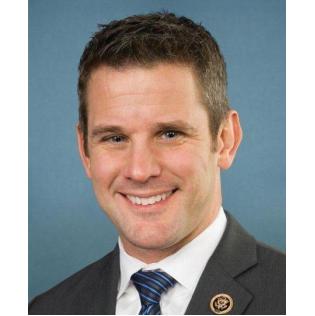
ADAM KINZINGER, a Republican, is the U.S. representative for Illinois’ 16th congressional district.
Recent Comments