


$11 trillion investor coalition calls for more ambition from some of the world’s biggest brands, including McDonald’s, Pizza Hut and Burger King.
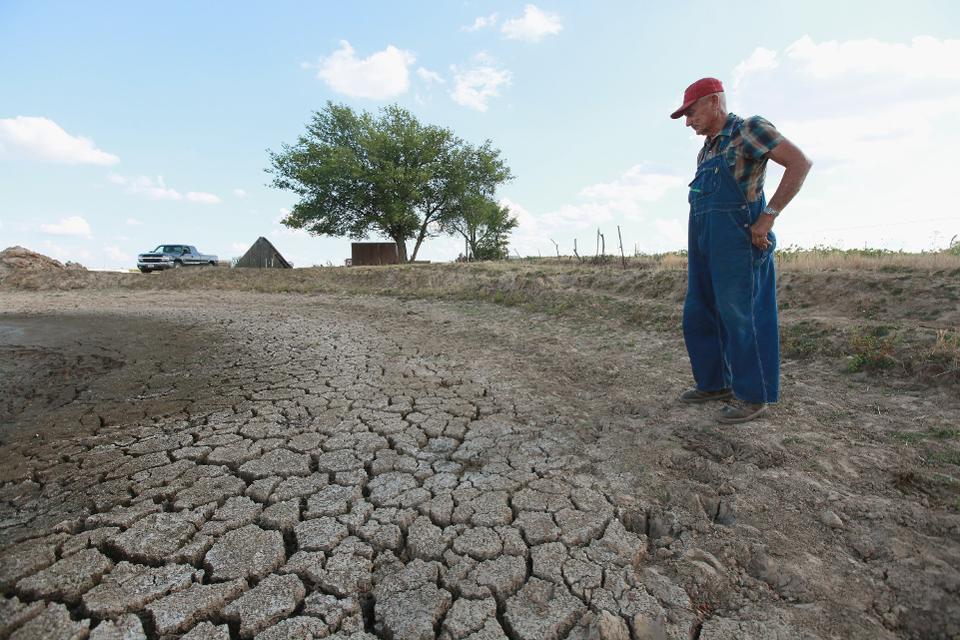
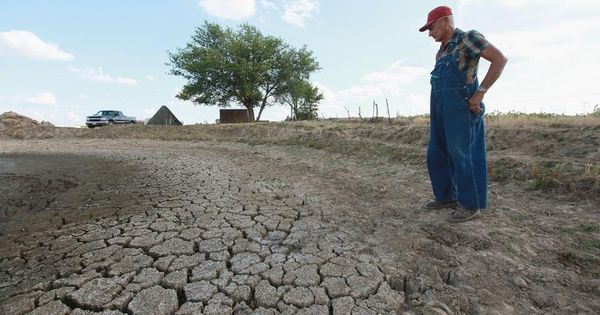
Drought-hit cattle farmers are just one of the challenges fast food companies face. (Photo by Scott … [+]
Getty Images
Investors are stepping up pressure on the world’s largest fast food companies to take “faster and deeper action” to tackle the climate change and water risks in their supply chains .
The investor group, set up by sustainable investment advocacy group Ceres and FAIRR (Farm Animal Investment Risk and Return), which works with institutional investors to define the material environmental, social and governance issues linked to intensive livestock and fish farming systems, has almost doubled in size in its first year of operation, from $6.5 billion to more than 90 investors with $11.4 billion of assets under management – an indication of how serious investors consider the risks to their returns to be.
Aarti Ramachandran, head of research and engagements at the FAIRR Initiative said: “Investors are concerned about the climate impacts of our burgers and burritos. Feed for livestock alone uses around a third of annual global water withdrawals and is a major emitter of greenhouse gases. Failure by the global fast food sector to tackle the environmental issues in their supply chains puts the long-term financial sustainability of their businesses under threat. Investors are asking the industry to manage these risks, using tools such as water risk assessments and science-based emissions targets, but the companies are failing to respond at the pace and with the detail required by investors.”
The investors are engaging with Chipotle Mexican Grill, Domino’s Pizza, McDonald’s, Restaurant Brands International (owner of Burger King), Wendy’s Co. and Yum! Brands (owner of KFC and Pizza Hut). The firms are being asked to set aggressive targets to reduce their greenhouse gas emissions, water usage and their impacts on water quality through their meat and dairy supply chains.
Between them, the six fast food companies have a combined market capitalisation of over $260 billion and manage more than 120,000 restaurants worldwide.
One year into the engagement, the results show some progress across the key requests made by the investors, according to new analysis released by Ceres and FAIRR. “However, the fast food companies’ efforts thus far do not sufficiently mitigate their exposure to the considerable physical, regulatory, and reputational risks climate change poses to animal agriculture,” the investors say. “What’s more, the companies are not responding at the pace required to match the magnitude of their environmental impacts.”
Of the six engaged companies, two (McDonald’s and Yum Brands!) have set or publicly committed to set science-based emission reduction targets, in line with efforts to limit global warming to well below 2C above pre-industrial levels, with the aim of limiting warming to 1.5C. Restaurant Brands International has said it plans to set an emissions reduction target for its restaurants in the US and Canada.
McDonald’s is the only one that has publicly disclosed an assessment of its water risks specifically for meat and dairy suppliers. Restaurant Brands International plans to conduct a life-cycle assessment that will consider its water footprint, among other impacts.
None have set specific requirements on climate and water for meat and dairy suppliers, with unclear compliance monitoring systems across the board.
To create a pathway to achieving the Paris Agreement and to avoid water scarcity, the food sector needs to show that it is managing its emissions and water usage with the same urgency and focus as any other acute business risk, said Eugenie Mathieu, senior SRI analyst at Aviva. “This engagement sets out clear investor expectations from fast food giants. These firms are leaders in fast food, and we would like them to demonstrate similar leadership in managing the material financial risks of climate and water in their supply chains.”
Fast food companies have long lagged behind other high-emitting and water-intensive industries that take these material, financial and reputational risks seriously, added Kirsten James, director of water at Ceres. “It is time for these companies to have a plan and take urgent steps to ensure their meat and dairy supply chains are resilient to the impacts of rising temperatures and extreme droughts and flooding. Investors are not only demanding action, but they want more information about the concrete steps that companies are taking to tackle supply chain issues — the cost of ignoring them is too high.”
The Ceres/FAIRR investor coalition plans to launch the second phase of its campaign by writing to each company with specific tailored requests based on their current strategies.
Recent Comments