


New Delhi: For the Indian auto industry, coronavirus is a business function nightmare. And close to three months into the real crisis that has virtually paralysed China, there is still no sign of the impact easing out.
The next two months (March and April) will definitely witness stagnation in vehicle production if the factory closure in China continues till February end.Ashim Sharma, Partner & Group Head, Nomura Research Institute
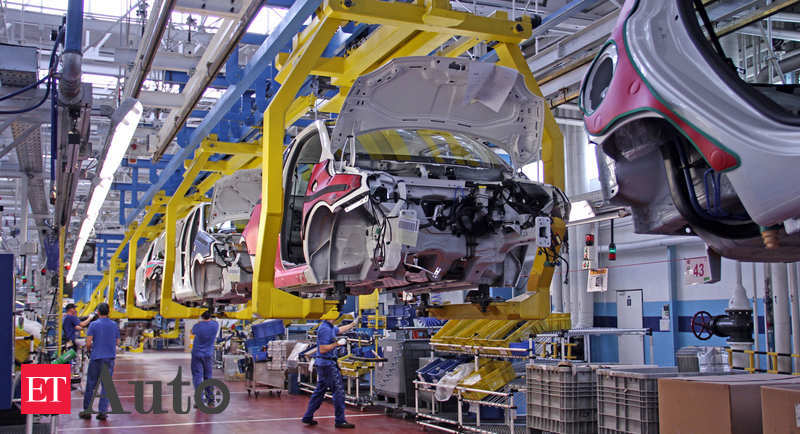
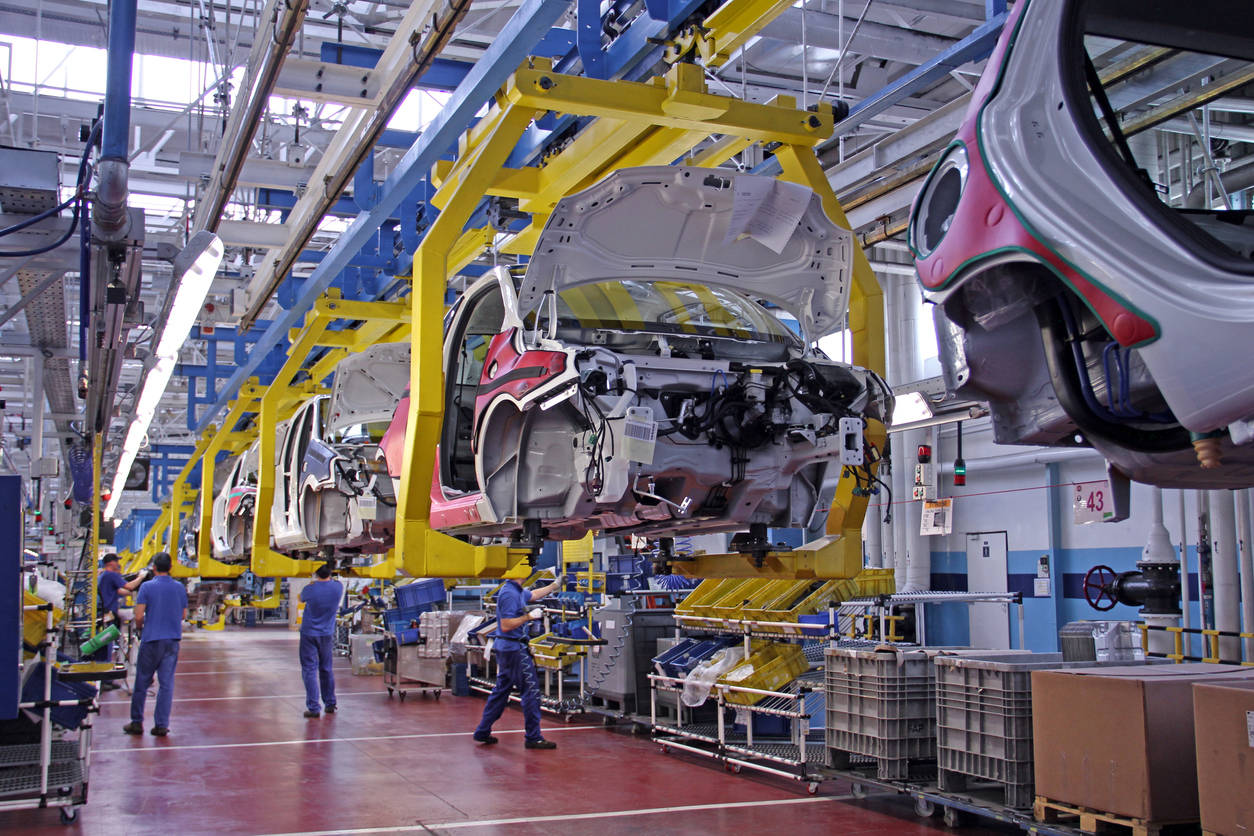
The 10 per cent production cut announcement by Hero MotoCorp for the month of February and Mahindra’s struggle to finish the final batch of its BS-IV vehicles are a clear indication that Indian original equipment manufacturers (OEMs) just can’t keep their plants operating without Chinese parts. Industry watchers say the situation will further intensify as the companies have exhausted their extra parts inventory built up for the Lunar New Year holidays beginning early February.
“The next two months (March and April) will definitely witness stagnation in vehicle production if the factory closure in China continues till February end,” Ashim Sharma, Partner & Group Head, Nomura Research Institute said underlining that it is practically impossible to find a replacement of all the Chinese parts. “Wuhan is the manufacturing hub of some of the critical components of the auto industry. Sourcing such parts from other regions will come with extra cost burden,” Sharma added.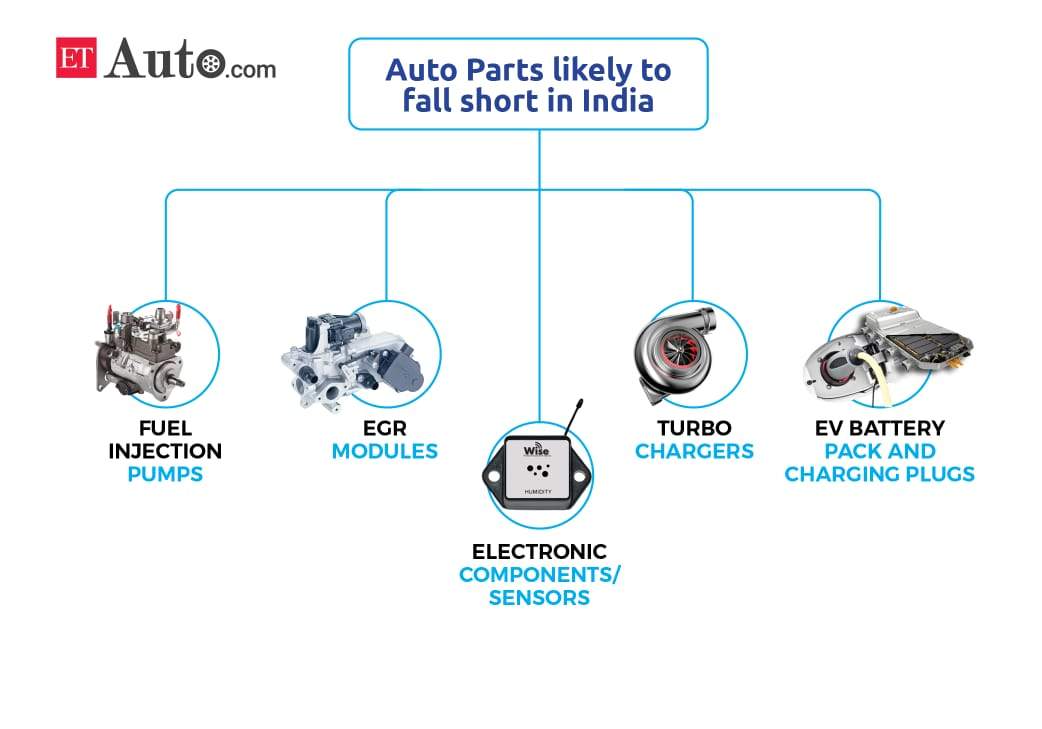
For perspective, heavy casting parts and electronics components sourced from China are upto 25 per cent cheaper than their Korean counterparts as per experts. The components at risk range from high tech electronic chips and sensors down to nuts and screws. The Automotive Component Manufacturers Association (ACMA), the apex body of the Indian auto component industry said it is closely monitoring the situation but it’s too early to say what the impact on OEMs supply chain will be.
“It is still a wait and watch situation for us as the companies in China are supposed to open the 10th of February but they are yet to resume. We are still trying to gauge the situation,” said Vinnie Mehta, Director-General, ACMA. However, he underlined that some critical components are manufactured only in China and the unavailability of such parts might disrupt the entire supply chain of the OEMs.
China is a key supplier of parts to auto plants around the world — shipping nearly $35 billion of parts in 2018, as per UN data. In the financial year 2018-2019 India imported components worth $4.6 billion from China which accounted for 27 per cent of the total imports into the country. In the first half of the current fiscal, India’s imports from China stood at $2 billion. 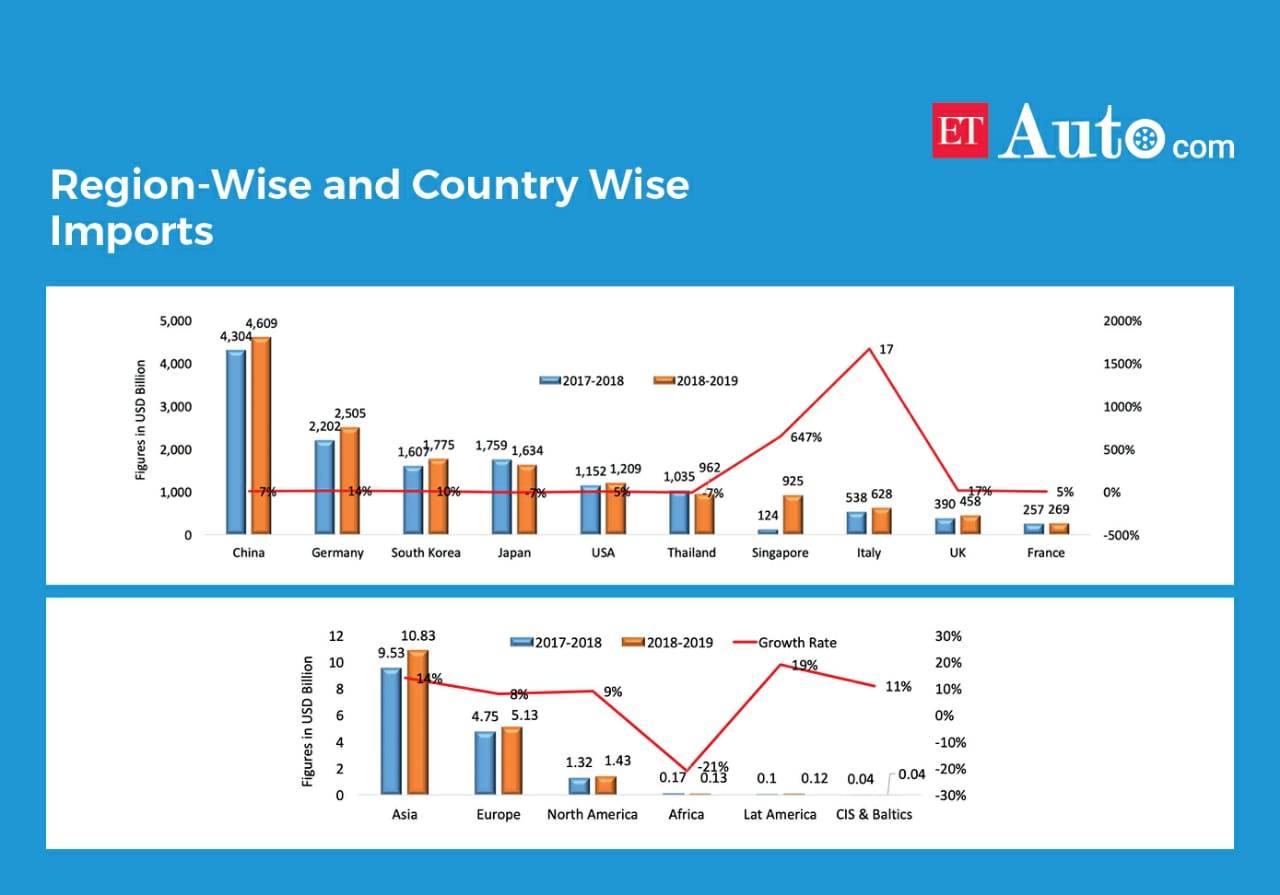
According to ICRA, South-East Asia countries play a critical role in the automotive supply chain and domestic OEMs source critical components and sub-components including fuel injection pumps, EGR modules, electronic components, turbo chargers etc. from these markets, which in turn directly or indirectly depend on China.
Currently, the industry is broadly facing challenges on two fronts – first is to judiciously manage the supply-chain and second is to control the vehicle price hike. According to Puneet Gupta, associate director, automotive forecasting, IHS Markit, the three-fold increase in sea-freight prices due to coronavirus crisis could force auto companies to increase vehicle prices.
“The sea freight prices have shot up from $500 per container to $15oo per container. With three times increase in freight prices there are acute chances that car manufacturers may hike vehicle prices due to rising shipping cost,” Gupta explained. 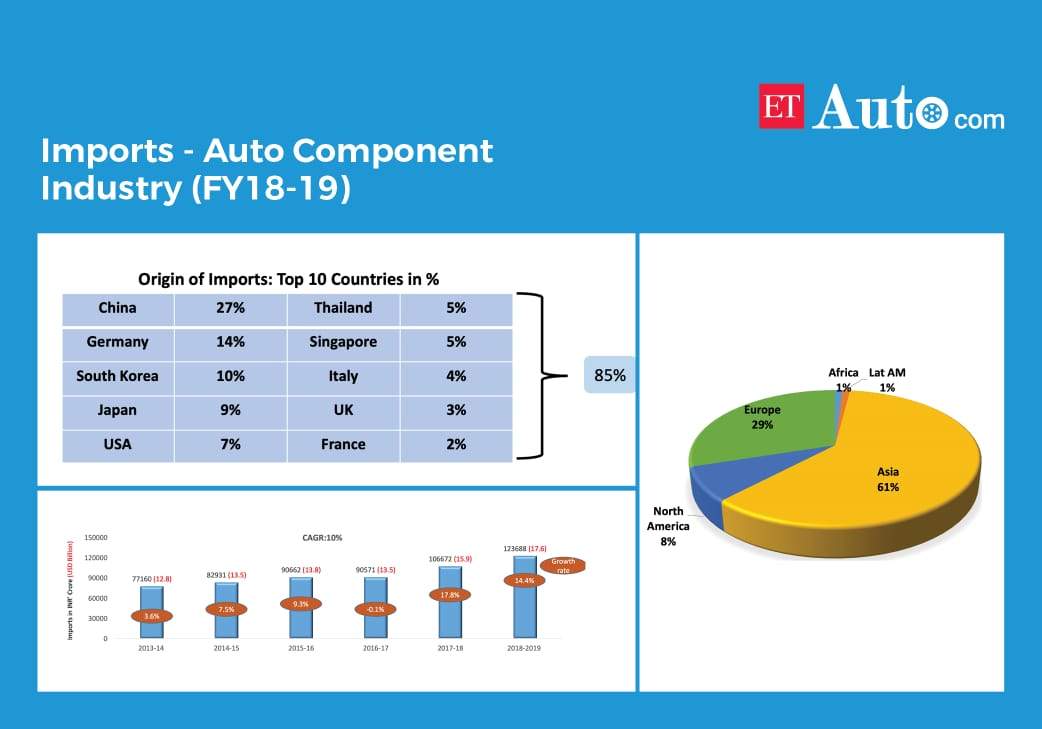
The outlook for the first half of 2020 already looked tough, but that now appears worse than expected. Ravi Bhatia, president of automotive business intelligence provider Jato Dynamics highlighted that situation issuance of “force majeure” certificate by Chinese government and trade bodies to component makers and OEMs might extend the production halts till mid of this year.
“Chinese government’s provision to invoke force majeure in order to suspend contracts is leaving many Indian OEMs in complete lurch. At a time when the complete manufacturing process is in doldrums, finding a second option will be a tough task for many companies,” Bhatia noted.
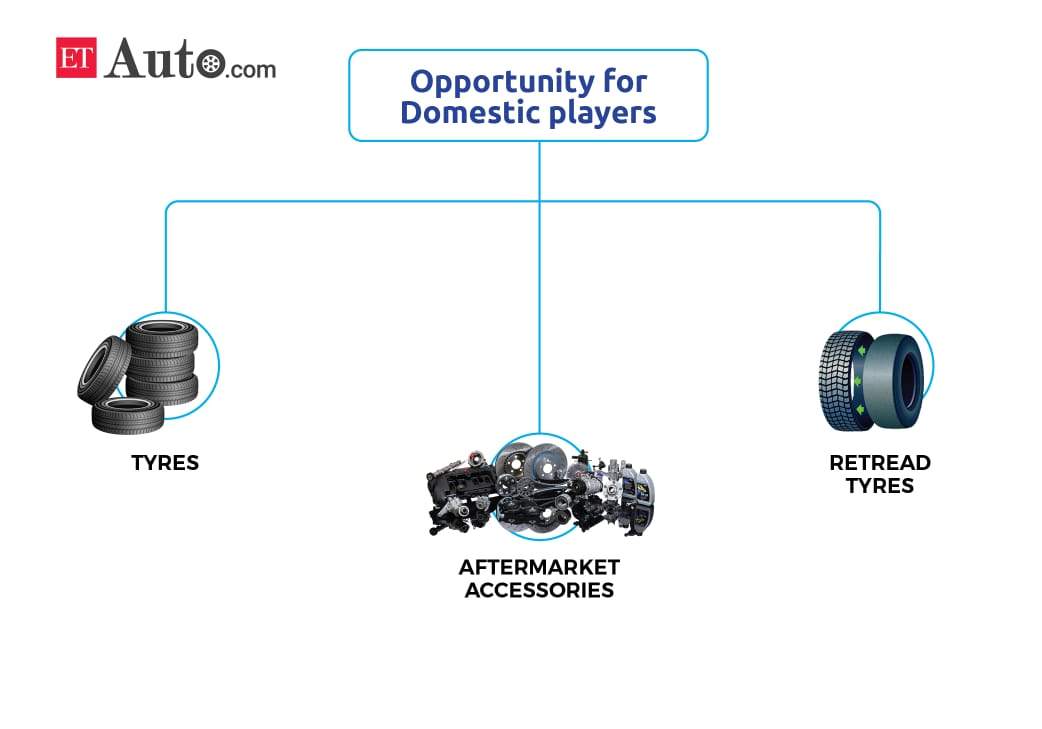
Many analysts however opined that there is a good opportunity for multinational suppliers to manufacture parts in India for the domestic market and export markets. Leading commercial vehicle manufacturer, Ashok Leyland, said there is no direct impact on production due to coronavirus. The Chennai-based company is, however, cautious about the situation and clearly monitoring the situation.
Tyre manufacturing firms, on the other hand, are relatively immune to the novel virus outbreak due to their lesser dependence on the Chinese market. In 2018-19, $430 million new tyres were imported, out of the $127 million was from Thailand and $92 million was imported from China. Moreover, $7 million worth of retired tyres materials were imported from Thailand.
Coronavirus was first detected on December 8, 2019. By the end of January, about 9,700 cases were detected and 213 deaths reported. By February 3, there were 17,000 confirmed cases and, at the time of publication, the cases of the novel coronavirus has risen to over 70,000 worldwide.
What’s more, the latest reports of new coronavirus strain emerging in Korea could aggravate the problems. South Korean carmakers Hyundai and Kia Motor would be the first impacted by any closures as they carry large quantities of electronics mainly coming from their home markets. “We are assessing the situation. There is no panic yet, but if it continues then we need to press in all alternative means of sourcing for hasslefree operations,” said a senior executive from an automotive major. 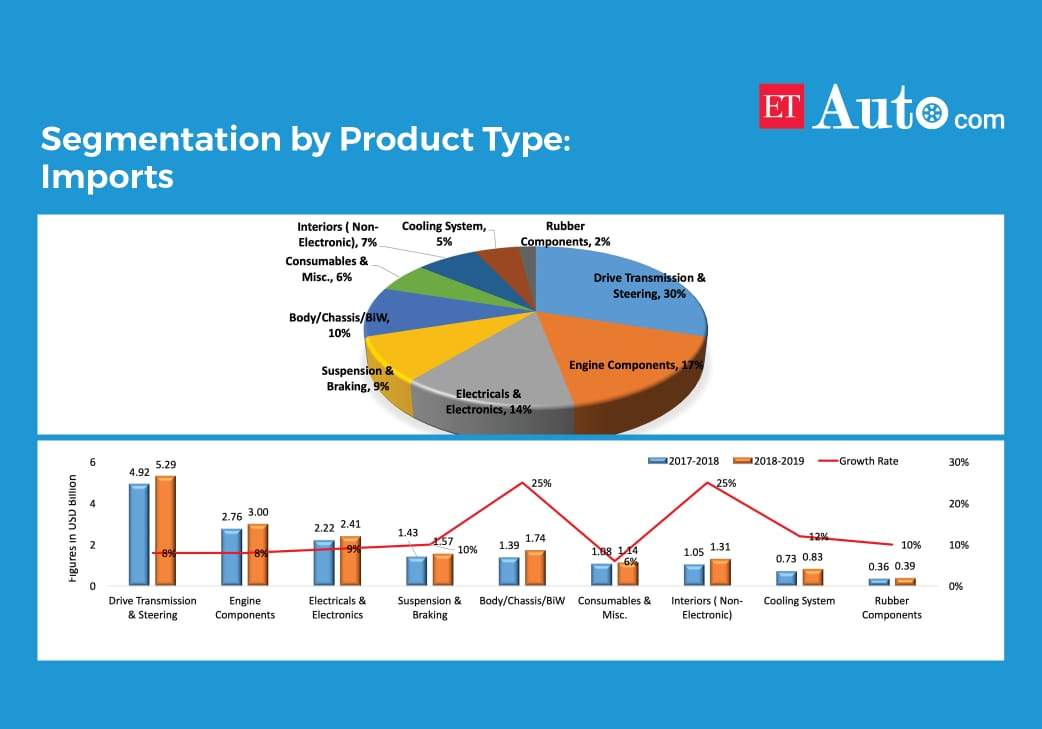
Besides IC engine vehicles, the electric vehicle players will also feel the heat of coronavirus outbreak due to the lag in the procurement of components and batteries from China. “While components can be taken care of to some extent at-least in the short run as manufacturers usually keep 2 to 3 months stocks; batteries and battery cells on the other hand, are imported in small batches and since they come with a limited warranty – manufacturers do not maintain large inventories,” said Sohinder Gill, director general, Society of Manufacturers of Electric Vehicles (SMEV).
In January, Fitch Solutions projected vehicle production in India to contract by 8.3 per cent in 2020 as the auto industry faces increasing risk of supply shortage due to China’s coronavirus outbreak, possibly hitting domestic output if the virus spreads in the country. Analysts also reckon that even if factories reopen in China by the end of this month, it’s unclear if they will be able to run as normal in the near term as their first and foremost challenge would be shortage of workforce.
Recent Comments