


Empty shelves of basics like toilet paper, pasta, canned goods and meats are making grocery shopping a frustrating experience these days, but cart-stuffing shoppers have only themselves to blame, says a University of Alberta food economist.
Supermarkets aren’t bare because of a problem in Canada’s food supply chain, according to Sven Anders.
He said retailers can’t keep up with the unanticipated spike in demand because of the panic buying amidst the COVID-19 crisis.
“Nobody could have foreseen this issue a few weeks ago, and now the system is playing catch-up, with everything in disarray as retailers try to restock their shelves faster than ever. They didn’t anticipate people would be hoarding,” he explained.
Typically well-oiled supply chains of processing plants, truck and rail transport, and retailers are overtaxed with too much all-at-once demand.
Retail managers have sophisticated computerized ordering systems for tracking low stock and reordering suitable amounts to meet normal consumer needs, but now the system is unable to keep up with volatile, uncertain demand levels, Anders said.
“Retailers are flying with their eyes closed. There’s a prediction issue here that typically doesn’t exist, hinged on figuring out what consumers are going to want next. If everybody has stocked up on toilet paper for the foreseeable future, then the future demand may drop sharply, and suddenly there’s too much stock in stores.”
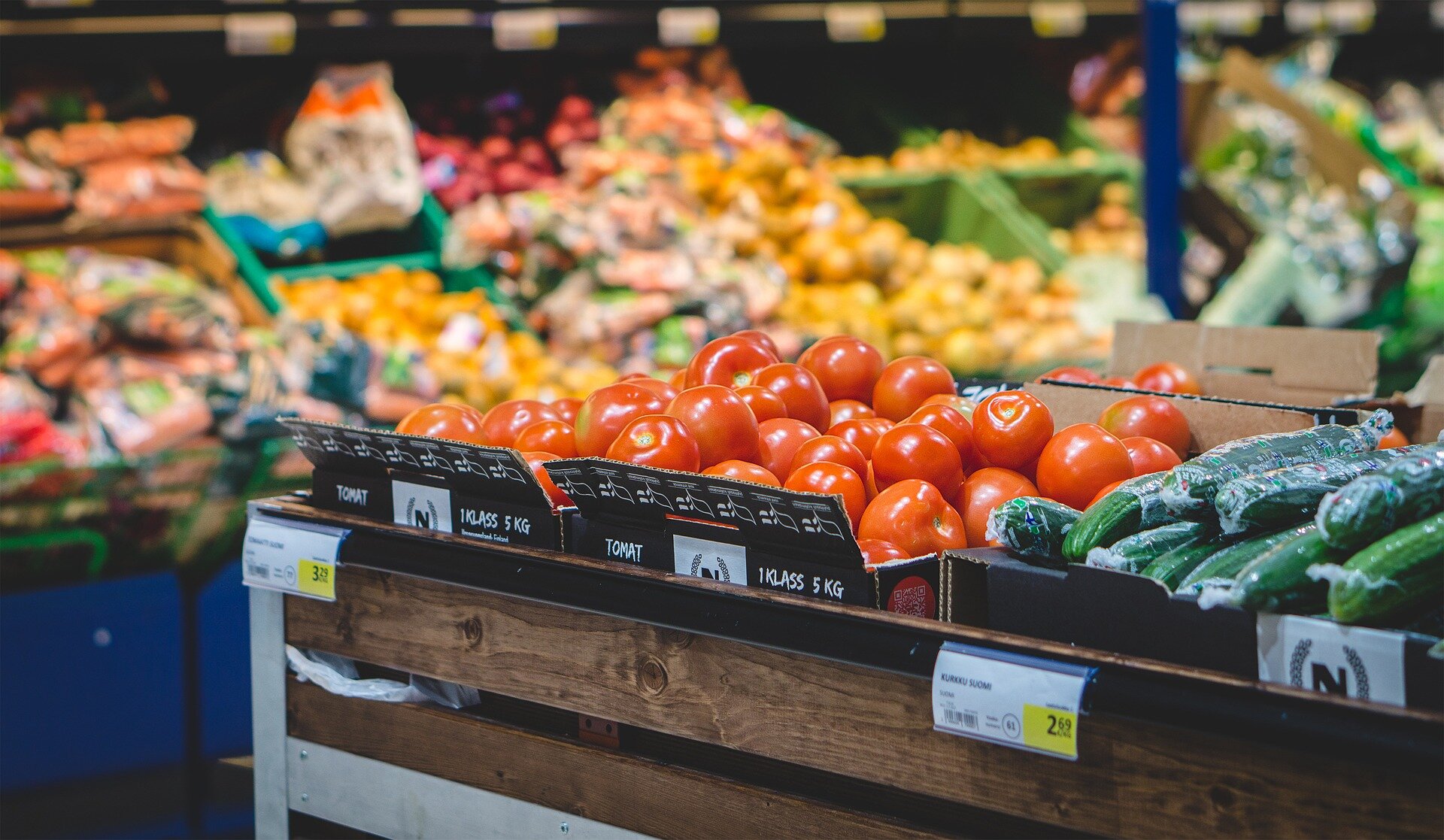
Managing anticipated demand is a particular problem with perishables like fruits, vegetables and fresh meats, as most retail outlets aren’t equipped for mass storage, Anders noted.
“Managers would be hesitant to order extra, extra, extra, being fearful of having to throw product out.”
Another complicating factor is neighbourhood demographics that ultimately affect how much and what kind of stock is needed and ordered at each retail store location, he added.
“A grocery store on Calgary Trail probably draws a more affluent segment of shoppers who want certain products of higher quality, but a store serving those with lower household incomes could have different needs.
“Different store managers have to grapple with different issues,” he said.
Overall, smaller retail chains may also be more vulnerable to shortages than their larger competitors.
“Bigger chains have more sophisticated supply chains, better contracts and logistics in place, so they are best suited to adapt to demand spikes more quickly, while smaller chains are less competitive and more likely to have problems with maintaining stable supplies. Smaller players tend to have less purchasing power.”
As well, sitting on huge stockpiles of certain goods can harm producers down the road, Anders suggested.
“If consumer demand drops for frozen peas because they have eight months’ worth at home, retailers will not be interested in buying this year’s harvest from farmers.”
It’s uncertain whether shelves will ever be full as long as people let COVID-19 keep them on edge, he warned.
“If people keep on buying in huge quantities, we can expect to see empty shelves going into the future. You’ll see a delivery come on Tuesday and by Thursday it will be gone because people keep buying too much. And when people see empty shelves, they have the urge to also buy. It’s a cycle of hysteria.”
It’s normal for consumers to worry, but they need to trust the food supply chain will keep them fed, Anders said.
“Listen carefully to what public health officials and the governments are saying. They are trying to do their utmost to account for all sorts of scenarios, which includes keeping essential stores open. People need to have trust that the system will continue to function; the country is not closing down.”
Even with the U.S.-Canada border closed to non-essential traffic, commercial deliveries continue to flow, and Anders doesn’t see that changing.
“Retailers have an inherent interest in keeping things working. No one has an interest in depriving people. If one store is sold out of something, another store will have it,” he said.
By shopping weekly, North Americans are already buying in bulk, he added, noting that Europeans buy their food daily.
“What we buy will take quite a while to eat. If you want to buy two packages of pasta instead of one, fine, but if you buy 20, then the shelf is empty.
“Stop hoarding or buying huge amounts. It doesn’t help anything.”
Citation:
Hoarding ‘cycle of hysteria’ putting unnecessary strain on supply chain (2020, March 30)
retrieved 30 March 2020
from https://phys.org/news/2020-03-hoarding-hysteria-unnecessary-strain-chain.html
This document is subject to copyright. Apart from any fair dealing for the purpose of private study or research, no
part may be reproduced without the written permission. The content is provided for information purposes only.
Recent Comments