

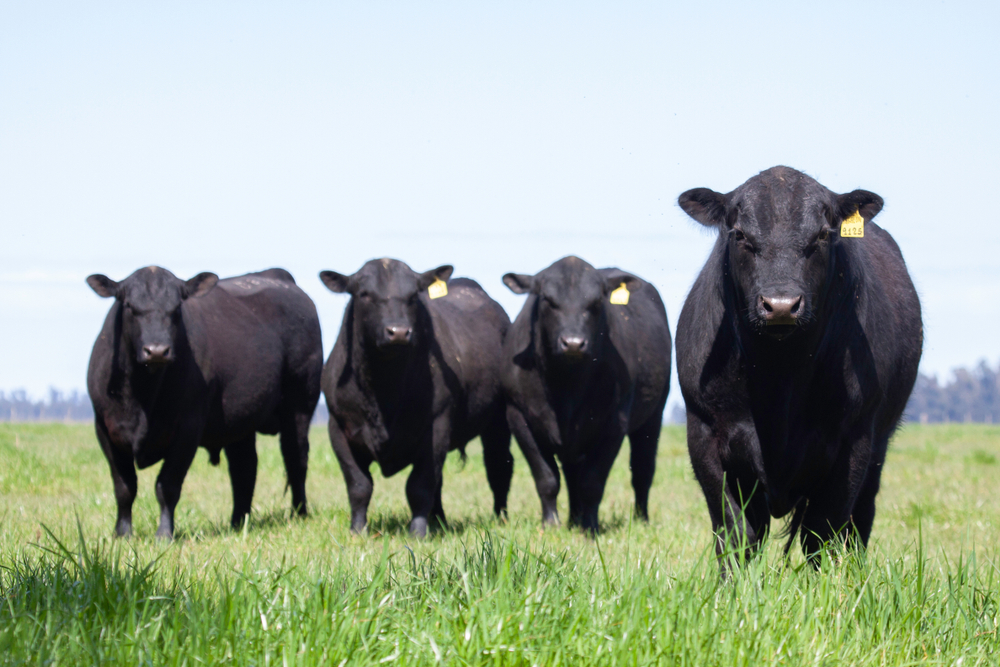

A consignment of 250 black Angus-cross weanling bulls made its way from Ireland to Algeria on Nov. 21, marking the advent of Irish cattle into the African country and potentially opening up a new market for Irish livestock – especially with the reality of Brexit looming. This delivery is the first livestock to head to Algeria from Ireland after a new veterinary protocol was agreed upon recently by the Irish and Algerian departments of agriculture.
The last cattle delivery from Ireland to Algeria before this consignment happened in the 1980s. Every year, Algeria imports roughly 150,000 cattle, making it a highly lucrative market for Irish rearers if they continue to deliver high quality and healthy livestock to the north African nation.
The Wicklow Calf Company exported the Angus bulls in association with Bord Bia, the Irish food board, which was in touch with the customers and facilitated the logistics required to safely transport the cattle from the farm to the Algerian port.
But going beyond the trade dynamics between countries with regard to cattle exports, it is also essential to make sure the authenticity of the breed in a transaction. Take the case of the black Angus bull consignment that was sent to Algeria from Ireland. The Angus breed is highly sought after for well-marbled beef, leading it to be heavily counterfeited.
The U.S. is the largest consumer of beef in the world, having consumed 60.9 million metric tonnes of beef in 2018. The black Angus variant is a consumer favourite as can be seen with the number of businesses that claim to rear these cattle. Of the 86 U.S. Department of Agriculture-certified companies that total 25% of all the beef produced in the country, 63 of them have Angus on their list.
Counterfeiting and mislabeled products start right from the colour of the Angus cattle in question. The Angus breed comes in two primary colours – black and red, with the former being the one that draws the most interest, leading to black Angus cattle selling for a much higher cost in the market than its red counterpart.
Though clamour for black Angus beef is well documented, cattle growers and beef stakeholders mostly agree that the taste of meat from both the black and red variants taste the same. This makes it easy for slaughterhouses and beef businesses to wilfully interchange variants, as the cost of the red Angus is slightly lower than the black Angus.
Cattle growers have also found that the black Angus bulls are more reactive to heat than their red counterparts, as their black hide absorbs heat better than the red one. During the hot summer months, black Angus bulls tend to graze less and rest under the shade a lot more than the red Angus bulls. This shows up on the weighing scale, as red Angus bulls from the same farm as the black ones tend to be a bit heavier – giving greater dividends to the beef stakeholders who can buy the red Angus and label them as a black variant.
All this leads black Angus beef to be at the epicenter of counterfeiting, pushed forward by small- and mid-tier rearing farms and beef stakeholders that wish to exploit the system.
Introducing the technology of blockchain can help bring more order into the black Angus supply chain, as blockchain will force every stakeholder in the value chain to push data onto an immutable ledger – from the farm to the supermarket shelves.
Being decentralized, blockchain provides all the stakeholders with equal control over the network, making it impossible for any single party to edit or mislabel products without the explicit approval of every stakeholder in the system. Apart from restricting the entry of counterfeit products, it also helps with trust, because consumers can scan QR codes to understand their product’s provenance.
As consumer traits and expectations keep evolving and as supply chains increasingly go global, it is critical to provide transparency and visibility into logistics operations. Apart from infusing trust into the system, such technology can help stakeholders shed inefficiencies and move towards precision logistics – thus benefiting the landscape in its entirety.
Recent Comments