


news, latest-news, fyshwick, collie street fyshwick, newcastle street fyshwick, Hi-Quality Group, Fyshwick Business Association, canberra traffic
On any given business day at the corner of Collie and Newcastle streets in Fyshwick, long queues of traffic are strung up and down the complex intersection waiting for the lights to slowly change. Add into this already congested mix an estimated 1500 extra cartage truck movements per day, most of them heavily-laden “truck and dog” B-doubles, as outlined in a development proposal for an “integrated resource recovery centre” in Tennant Street, and opponents say it’s a recipe for a safety and traffic nightmare. Throughout Fyshwick, businesses are agitated and concerned that the former Rocla site, now owned by the Hi-Quality Group of companies, can be repurposed in a way which potentially creates such a massive additional traffic burden. “I can’t begin to imagine how dangerous, frustrating and congested this whole area will be for people using it if this resource and recycling centre goes ahead,” Rob Evans, the president of the Fyshwick Business Association, said as he looked down the long Collie Street traffic queue. “I feel for all the businesses in the immediate area and for anyone who intends to use this intersection. It’s catastrophic for them [the businesses].” Down the road at the thriving Dirty Jane’s store, at the back of the Domayne building in Collie Street, owner Jane Crowley shakes her head in dismay. “It’s just absurd to add hundreds of big trucks in peak hour into this mix, it would be a disaster for a business like mine where we’re already seeing traffic banked up and down Collie Street waiting to turn in,” she said. “Everyone around here just hates the whole idea. I really can’t for the life of me see why the government would even give it the slightest consideration.” Hi-Quality has submitted a draft environmental impact study which includes a traffic impact assessment. Public representations on the draft study now number over 200 on the ACT government’s planning website. All but a few are vigorously opposed, mostly on environmental grounds. But several point to flaws in the traffic data, with one correspondent noting: “The specific traffic study prepared to support [the study] is unacceptably confusing and may not be using the correct or consistent information.” Hi-Quality’s own commissioned assessment acknowledges “the eastern approach of the Newcastle Street-Collie Street intersection currently experiences lengthy queues under existing conditions”. It adds that truck drivers attempting to avoid these queues will seek alternate routes “and exit the site out of the driveway onto Gladstone Street to access Newcastle Street via Wollongong Street”, which will push more heavy vehicles out onto the Fyshwick feeder roads. Its projected “worst-case scenario” adds an additional vehicle – most likely a fully-laden B-double – “every 45 seconds in each direction during the peak hour”. The association contends the data compiled by the assessment doesn’t paint a true picture and commissioned its own study which outlines many oversights, assumptions and lack of detail, such as failing to take into account the cars invariably parked on the side of the road to the proposed facility’s turn-in access point and the heavy nature of the vehicles added to the current traffic mix. The industrial mixed-use suburb of Fyshwick has around 1000 businesses and around 13,400 workers serving 1 million customers and visitors a year. Aside from the main thoroughfare of Newcastle Street, the rest of Fyshwick’s streets were classified as “minor collector roads”. Mr Evans said he’s not anti-trucks – “far from it”, he says – but believed Hi-Quality’s enormous added volume of truck movements was wholly inappropriate for the location and the roads, and businesses will suffer as a result. “We know trucks are important to Fyshwick; there are businesses operating here that depend on truck movements,” he said. “The difference with this development is the huge volume of trucks added on top of an area already at maximum capacity.” Hi-Quality’s proposed “multi-operational” hub would include a recycling plant and individual processing facilities for wood, soil and liquid waste. A crushing and screening centre and concrete plant were also planned for the site. The site’s concrete batching plant is already in operation, with piles of various waste, rubble and other materials to the west and the steel skeletons of the former Rocla buildings still standing. About 1.1 million tonnes of various waste products per year were planned for processing on the site. Plans to build recycling plants in Fyshwick have proven contentious in the past, with Capital Recycling Solutions forced to abandon its proposed $400 million waste-to-energy centre amid opposition from the community and ACT Greens. City Services Minister Chris Steel said a previous waste incineration plant proposal for the Hi-Quality site had been rejected by the ACT government but said the other elements of the project “are going through the EIS process currently and I call on the ACT community to have their say”. In a statement, the Hi-Quality Group said the key objectives of its Fyshwick project were to “reduce material landfill and maximise recovery of reusable resources” to “create social, economic and environmental benefits that are not currently available under the status quo”. It pointed to the benefits the project would bring to the ACT and regional economy, including “$169 million in annual direct and indirect output or business turnover; $70m in annual direct and indirect value-added; $26m in annual direct and indirect household income, and; 240 annual direct and indirect jobs”.
https://nnimgt-a.akamaihd.net/transform/v1/crop/frm/fdcx/doc7cgqt4o7qf8mkhh4nd8.jpg/r2_485_4740_3162_w1200_h678_fmax.jpg
On any given business day at the corner of Collie and Newcastle streets in Fyshwick, long queues of traffic are strung up and down the complex intersection waiting for the lights to slowly change.
Add into this already congested mix an estimated 1500 extra cartage truck movements per day, most of them heavily-laden “truck and dog” B-doubles, as outlined in a development proposal for an “integrated resource recovery centre” in Tennant Street, and opponents say it’s a recipe for a safety and traffic nightmare.
Throughout Fyshwick, businesses are agitated and concerned that the former Rocla site, now owned by the Hi-Quality Group of companies, can be repurposed in a way which potentially creates such a massive additional traffic burden.
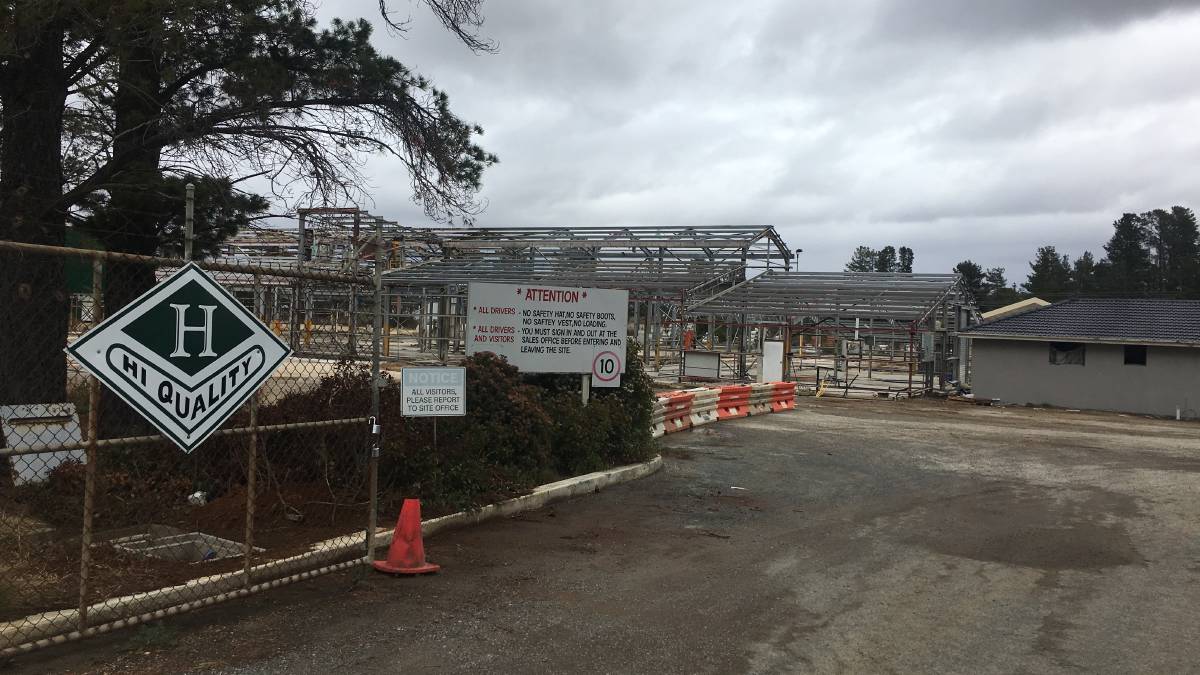
The Hi Quality site in Tennant Street.
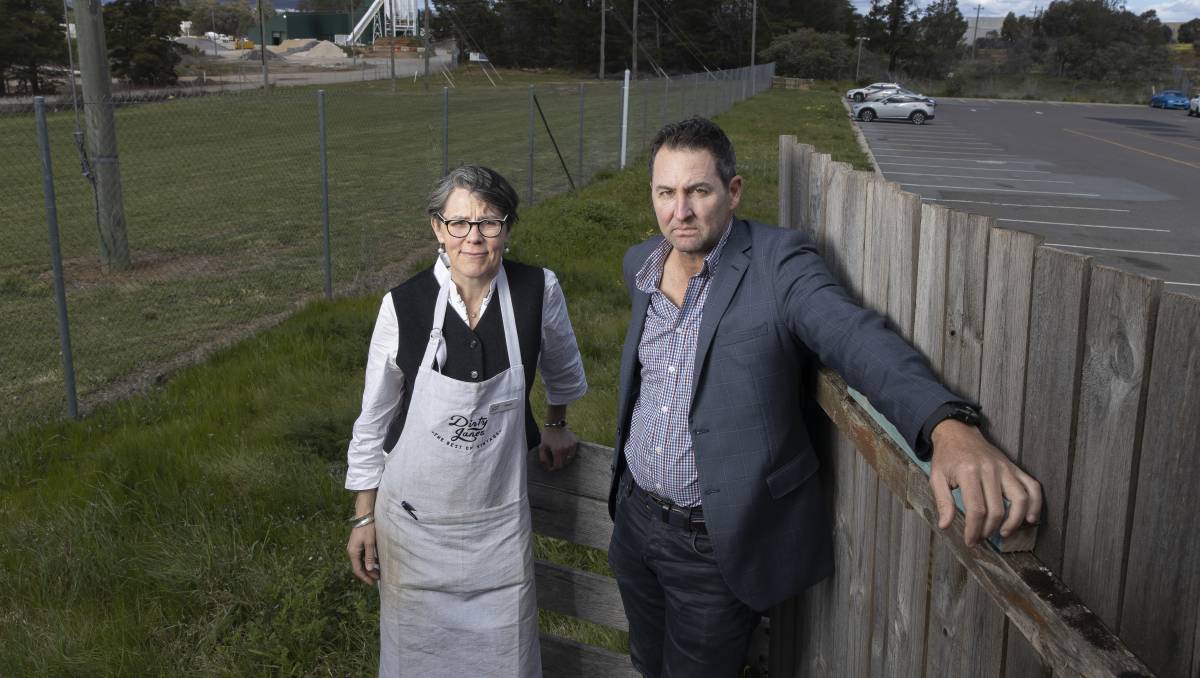
“I can’t begin to imagine how dangerous, frustrating and congested this whole area will be for people using it if this resource and recycling centre goes ahead,” Rob Evans, the president of the Fyshwick Business Association, said as he looked down the long Collie Street traffic queue.
“I feel for all the businesses in the immediate area and for anyone who intends to use this intersection. It’s catastrophic for them [the businesses].”
Down the road at the thriving Dirty Jane’s store, at the back of the Domayne building in Collie Street, owner Jane Crowley shakes her head in dismay.
“It’s just absurd to add hundreds of big trucks in peak hour into this mix, it would be a disaster for a business like mine where we’re already seeing traffic banked up and down Collie Street waiting to turn in,” she said.
“Everyone around here just hates the whole idea. I really can’t for the life of me see why the government would even give it the slightest consideration.”
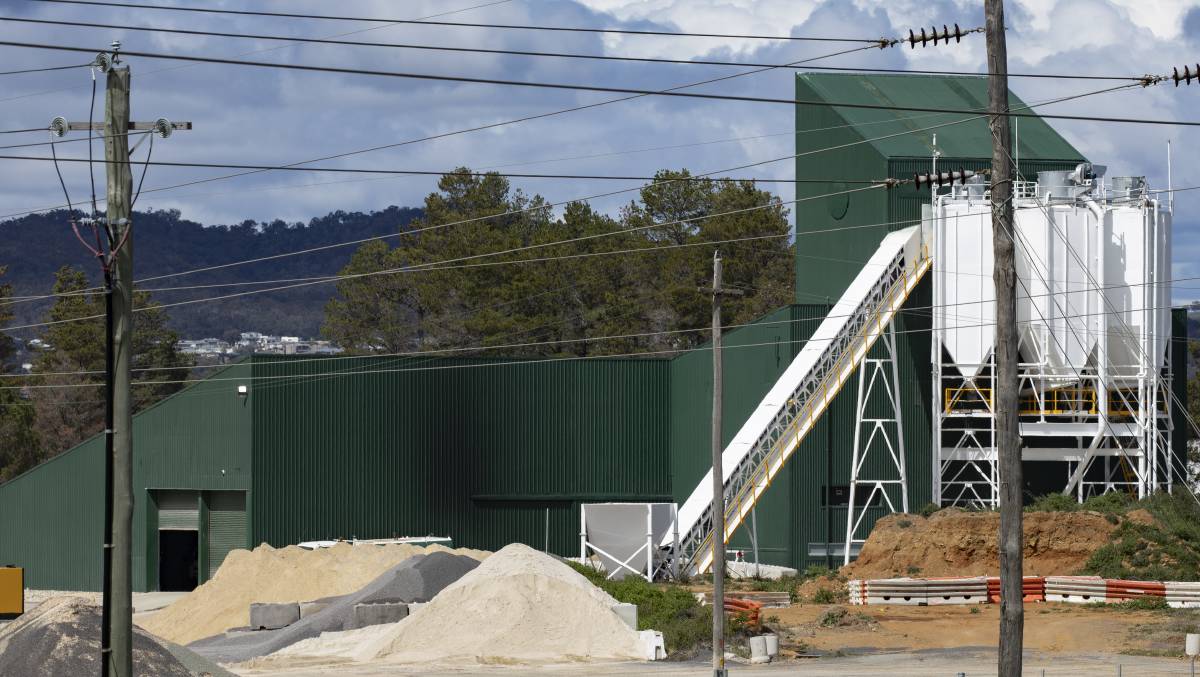
Hi-Quality Group’s concrete plant in Fyshwick. Picture: Sitthixay Ditthavong
Hi-Quality has submitted a draft environmental impact study which includes a traffic impact assessment.
Public representations on the draft study now number over 200 on the ACT government’s planning website.
All but a few are vigorously opposed, mostly on environmental grounds. But several point to flaws in the traffic data, with one correspondent noting: “The specific traffic study prepared to support [the study] is unacceptably confusing and may not be using the correct or consistent information.”
Hi-Quality’s own commissioned assessment acknowledges “the eastern approach of the Newcastle Street-Collie Street intersection currently experiences lengthy queues under existing conditions”.
It adds that truck drivers attempting to avoid these queues will seek alternate routes “and exit the site out of the driveway onto Gladstone Street to access Newcastle Street via Wollongong Street”, which will push more heavy vehicles out onto the Fyshwick feeder roads.
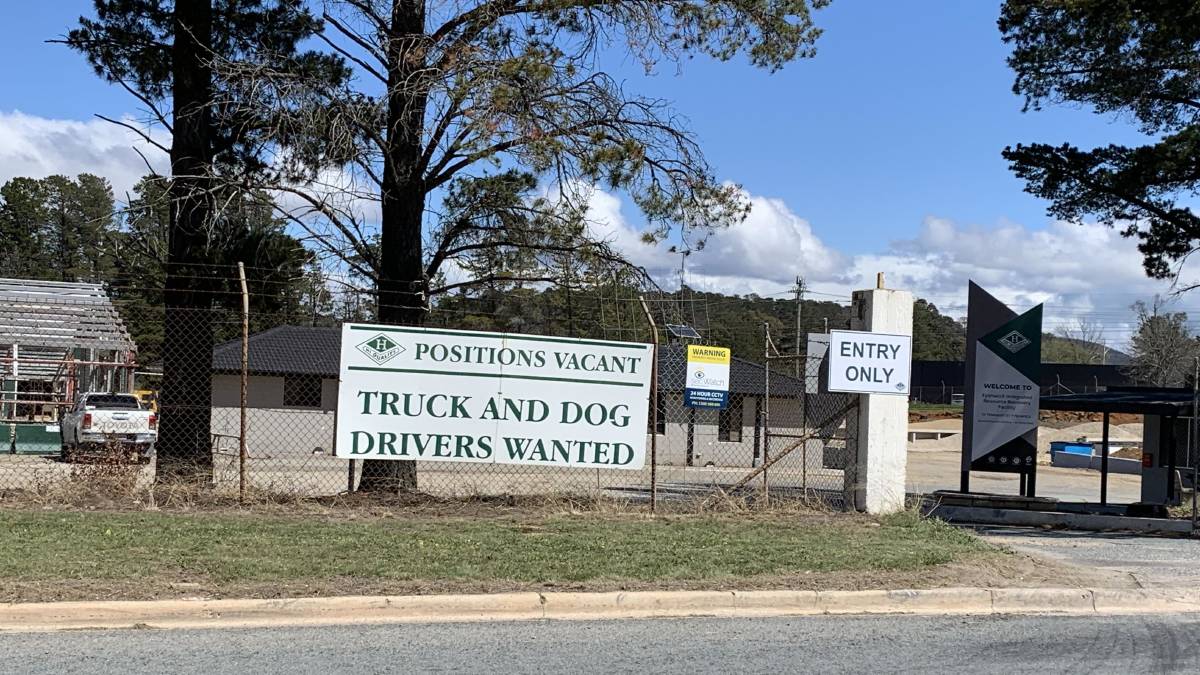
The entrance to the Hi-Quality development in Tennant Street, Fyshwick.
Its projected “worst-case scenario” adds an additional vehicle – most likely a fully-laden B-double – “every 45 seconds in each direction during the peak hour”.
The association contends the data compiled by the assessment doesn’t paint a true picture and commissioned its own study which outlines many oversights, assumptions and lack of detail, such as failing to take into account the cars invariably parked on the side of the road to the proposed facility’s turn-in access point and the heavy nature of the vehicles added to the current traffic mix.
The industrial mixed-use suburb of Fyshwick has around 1000 businesses and around 13,400 workers serving 1 million customers and visitors a year. Aside from the main thoroughfare of Newcastle Street, the rest of Fyshwick’s streets were classified as “minor collector roads”.
Mr Evans said he’s not anti-trucks – “far from it”, he says – but believed Hi-Quality’s enormous added volume of truck movements was wholly inappropriate for the location and the roads, and businesses will suffer as a result.
“We know trucks are important to Fyshwick; there are businesses operating here that depend on truck movements,” he said.
“The difference with this development is the huge volume of trucks added on top of an area already at maximum capacity.”
Hi-Quality’s proposed “multi-operational” hub would include a recycling plant and individual processing facilities for wood, soil and liquid waste. A crushing and screening centre and concrete plant were also planned for the site.
The site’s concrete batching plant is already in operation, with piles of various waste, rubble and other materials to the west and the steel skeletons of the former Rocla buildings still standing.
About 1.1 million tonnes of various waste products per year were planned for processing on the site.
Plans to build recycling plants in Fyshwick have proven contentious in the past, with Capital Recycling Solutions forced to abandon its proposed $400 million waste-to-energy centre amid opposition from the community and ACT Greens.
City Services Minister Chris Steel said a previous waste incineration plant proposal for the Hi-Quality site had been rejected by the ACT government but said the other elements of the project “are going through the EIS process currently and I call on the ACT community to have their say”.
In a statement, the Hi-Quality Group said the key objectives of its Fyshwick project were to “reduce material landfill and maximise recovery of reusable resources” to “create social, economic and environmental benefits that are not currently available under the status quo”.
It pointed to the benefits the project would bring to the ACT and regional economy, including “$169 million in annual direct and indirect output or business turnover; $70m in annual direct and indirect value-added; $26m in annual direct and indirect household income, and; 240 annual direct and indirect jobs”.
Recent Comments