


FreightWaves Classics articles focus on various aspects of the transportation industry’s history. If there are topics that you think would be of interest, please send them to [email protected]
In Part Three of this series, the impact of the Interstate Commerce Commission on the trucking industry is reviewed. If you would like to read Part One of this series (FreightWaves Classics: Rise and fall – the Interstate Commerce Commission), follow this link. If you want to read Part Two of this series (FreightWaves Classics: the ICC and the railroads), follow this link.

The federal government began regulating prices and competition in interstate transportation when Congress created the Interstate Commerce Commission (ICC) to oversee the railroad industry in 1887. The ICC began regulating interstate trucking after Congress passed the Motor Carrier Act (MCA) of 1935. Advocates for this legislation were the ICC (Commissioners and staff), state regulators and the railroads, which wanted trucking to be more regulated, because as the Great Depression deepened they had been losing more and more business to the trucking industry.

The trucking industry also suffered during the Depression and began to favor allowing the ICC to restrict competition. A number of the largest trucking companies began arguing for controls to prevent “cutthroat competition.”
Regulation becomes strangulation
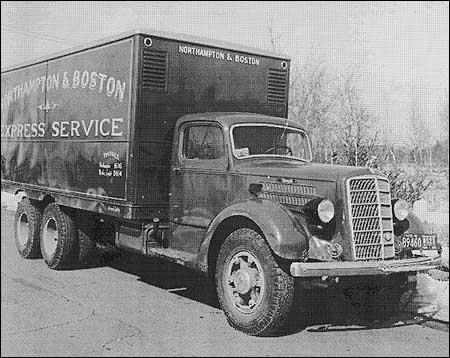
The MCA required new trucking companies to seek a “certificate of public convenience and necessity” from the ICC. Trucking companies already operating in 1935 could automatically get certificates, but only if they documented their prior service – and the ICC was extraordinarily restrictive in interpreting “proof of service.” New trucking companies found it extremely difficult to get certificates. This led to an artificial restriction on the number of trucking companies.
In 1940, Congress extended ICC regulation to include inland water carriers, another competitor of the railroads. At that point, the ICC controlled all forms of surface freight transportation (air freight was controlled separately).
From 1940 to 1980, new or expanded authority to transport goods via truck was almost impossible to secure unless an application was completely unopposed. Competition was so restricted that even if no existing carriers were offering the proposed service, the ICC would rule that any already certified trucking company that expressed a desire to carry the goods should be allowed to do so. New carriers (or smaller carriers trying to expand) were stifled by ICC fiat.
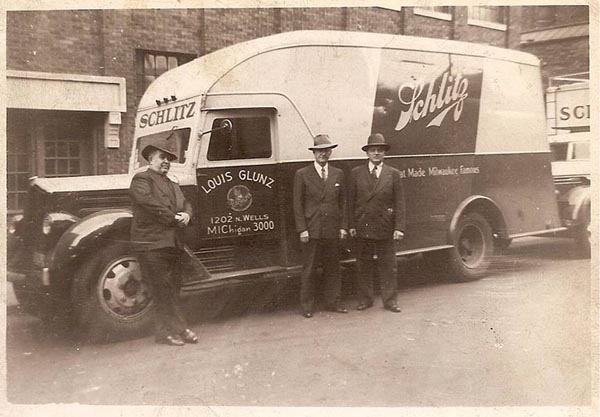
The result of ICC-mandated reduced competition was a wasteful and inefficient industry. Carriers’ routes and the products that could be carried over them were narrowly defined. Backhaul was rarely allowed; and convoluted regulations frequently required trucking firms to go miles out of their way.
(Photo: imcdb.org)
ICC regulation also required motor carriers to file all rates (also called tariffs) with the ICC 30 days before they became effective. These filings were open records; available to anyone – including a competitor. If the proposed tariffs were protested by another carrier (another trucking company, a regulated water carrier or a railroad), the ICC usually suspended the rates pending an investigation. In 1948 Congress passed the Reed-Bullwinkle Act, which authorized truckers to set rates in concert with one another. Although President Truman vetoed the legislation, Congress overturned the veto, effectively exempting carriers from the antitrust laws.
Because of ICC regulation, new or expanded authority to transport goods was almost impossible to secure unless an application was unopposed. And this system was in place for more than 40 years! Very few new carriers came into being from 1940 to 1980 due to the ICC’s regulatory restrictions, which almost killed competition in interstate trucking.
Other ICC regulations and practices precluded expansion into new markets. The only effective method to enter a particular market was to purchase the rights of an existing trucking company. By the 1970s, the authority (granted by the ICC) to carry certain goods on certain routes was selling for hundreds of thousands of dollars. Moreover, because the ICC disapproved of “trafficking” in rights to markets, it looked unfavorably on the majority of mergers and purchases of trucking companies and restricted authority as much as possible.
While it was probably never conceived this way in 1935, over the decades ICC regulations reduced competition and made trucking inefficient and overly expensive (for the trucking companies, their customers and consumers). Trucking routes and the products that could be carried on them were specified in very narrow terms by the ICC.
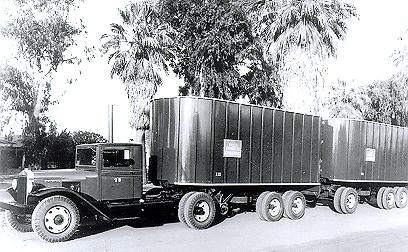
The cost of ICC regulation
Numerous studies showed that ICC over-regulation increased costs and rates significantly. Rates were not only lower without regulation, but shippers rated service quality as better without regulation. Those products that were exempt from regulation moved at rates 20 to 40% less than those for the same products subject to ICC controls! For example, regulated rates for trucking cooked poultry, compared with unregulated charges for fresh-dressed poultry (a similar product) were nearly 50% higher.
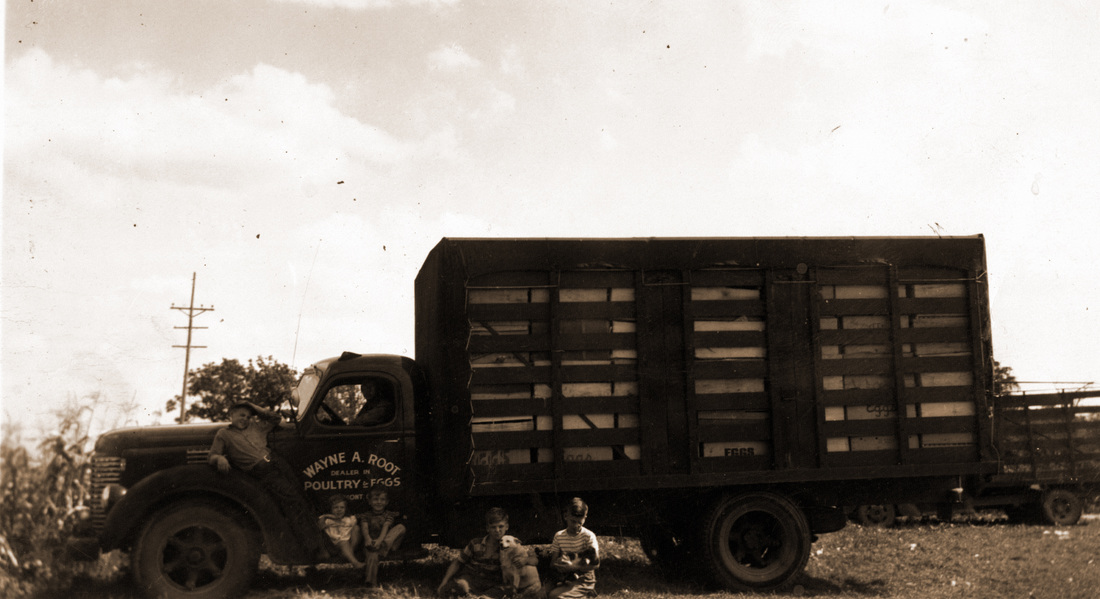
Comparisons between heavily regulated trucking in certain countries (including the U.S.) and less regulated countries indicated that costs were as much as 75% higher in the heavily regulated countries.
In 1962, President Kennedy was the first president to send a transportation message to Congress recommending reductions in surface freight transportation regulation. President Nixon also advocated less regulation; President Ford advocated legislation to reduce regulatory control of the trucking industry in November 1975. More importantly, he appointed several commissioners to the ICC who favored increased competition in the trucking industry (as well as in railroading). By the end of 1976, those commissioners were calling for more competitive ICC policies.
After taking office in 1977, President Carter continued along the path of his predecessors (particularly President Ford); he also appointed commissioners who advocated deregulation. In addition, he strongly supported legislation to reduce regulations impacting surface transportation. A number of rulings by the ICC reduced federal oversight of trucking. The airline industry was then deregulated. President Carter urged Congress to further deregulate trucking; it passed the Motor Carrier Act of 1980 (MCA 1980), which severely limited the ICC’s authority over the industry.
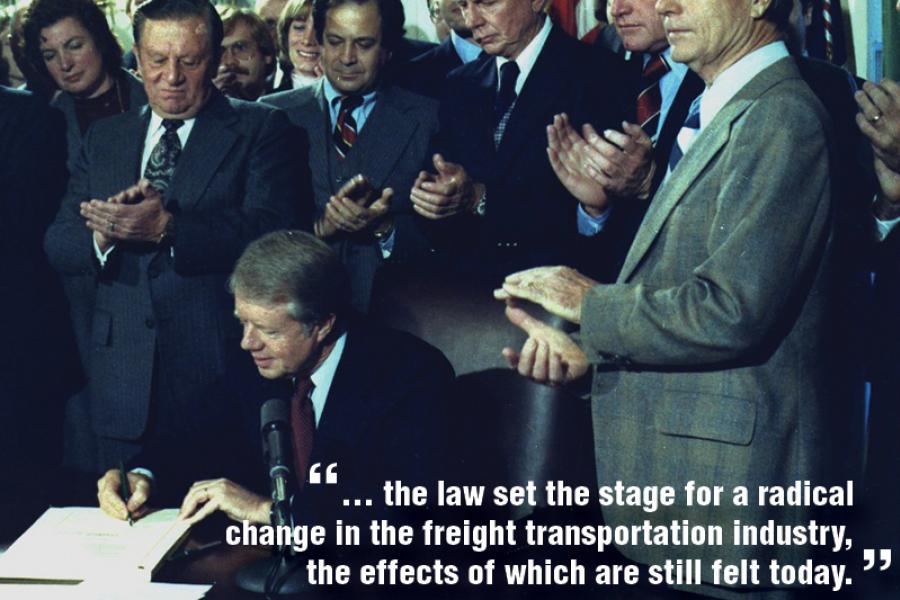
When President Carter signed the legislation, he stated, “This is historic legislation. It will remove 45 years of excessive and inflationary government restrictions and red tape. It will have a powerful anti-inflationary effect, reducing consumer costs by as much as $8 billion each year. And by ending wasteful practices, it will conserve annually hundreds of millions of gallons of precious fuel. All the citizens of our Nation will benefit from this legislation. Consumers will benefit, because almost every product we purchase has been shipped by truck, and outmoded regulations have inflated the prices that each one of us must pay. The shippers who use trucking will benefit as new service and price options appear. Labor will benefit from increased job opportunities. And the trucking industry itself will benefit from greater flexibility and new opportunities for innovation.”
For different reasons, the Teamsters Union and the American Trucking Associations (ATA) had vehemently opposed deregulation of the trucking industry and helped defeat attempts to eliminate all economic controls.
However, despite the opposition from organized labor and the leading trucking trade association, Congress had acted. The key reason Congress took the action it did and when it did was that those ICC commissioners appointed by President Ford and President Carter were championing industry deregulation. In other words, either Congress passed the legislation when it did or the ICC would take regulatory action. In the end, Congress acted; codifying some of the changes the pro-deregulation Commissioners were in favor of and limiting others.
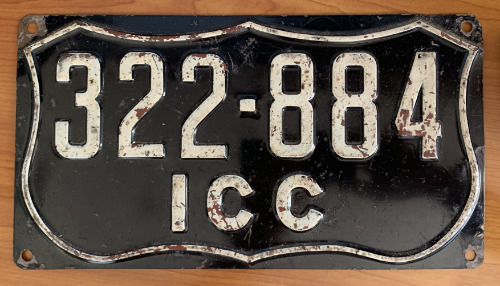
Therefore, MCA 1980 only partially deregulated the trucking industry. But the legislation, combined with a pro-deregulation Commission, dramatically changed the trucking industry. For example, the passage of the MCA made it much easier for a trucking company to receive a certificate of public convenience and necessity. The MCA also required the ICC to eliminate most of the restrictions that had stifled competition and increased costs, including restrictions on: commodities that could be hauled; the routes that motor carriers could use; and the geographical region(s) they could operate in. The new law authorized trucking companies to price freely within a “zone of reasonableness” – meaning that trucking firms could increase or decrease rates from current levels by 15% without challenge. MCA 1980 also encouraged trucking companies to file independent rates with even larger price changes.
The benefits of deregulation
In a deliberate understatement, deregulation has been successful. Between 1977 (the year before the Commission began relaxing its regulatory oversight of motor carriers), and 1982, rates for truckload shipments fell about 25% in inflation-adjusted terms. According to the U.S. General Accounting Office, rates charged by less-than-truckload (LTL) carriers fell 10 to 20%, with some shippers reporting rate declines of as much as 40%. Shippers surveyed at that time indicated that service quality improved – and 77% of the shippers that were surveyed favored trucking deregulation. They also stated that carriers were “much more willing” to negotiate rates and services after deregulation. In arguing against deregulation, the ATA predicted that “service would decline and that small communities would find it harder to get any service at all” if trucking were deregulated. Just the opposite occurred, however; service to small communities improved and shipper complaints declined.
Deregulation also had a major impact on the labor unions that had been active in the industry. The power of the International Brotherhood of Teamsters declined dramatically (the percentage of union members employed in the industry declined from more than 60% in the late 1970s to 28% in 1985). The number of unionized workers in the industry continued to fall in subsequent years; only 13% of drivers and warehouse workers in the industry were Teamsters in 2002.
(Photo: Shutterstock/Alan Stoddard)
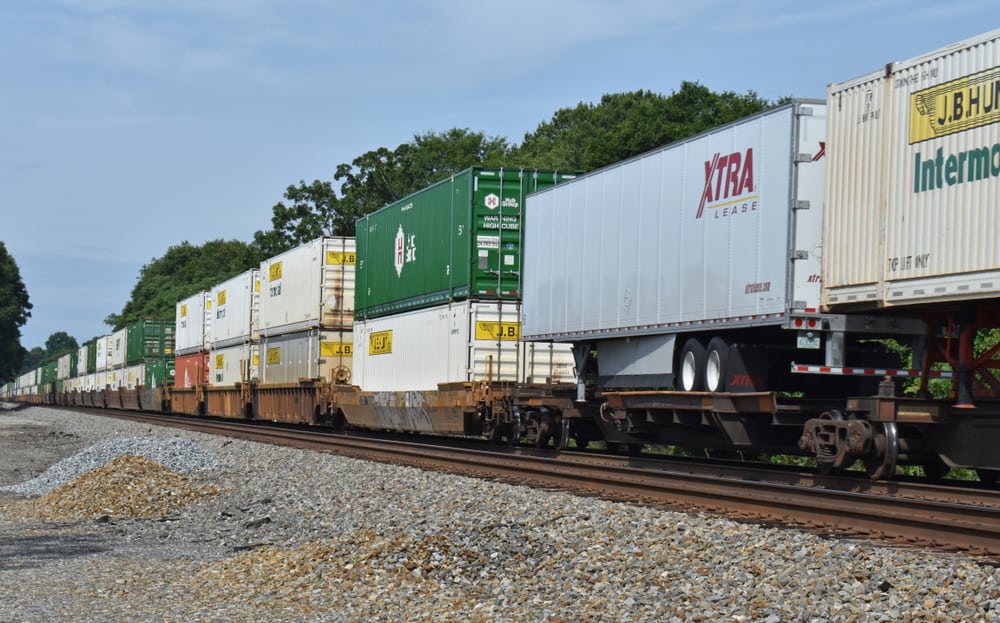
A direct result of deregulation was the ability of railroads and trucking companies to develop an extensive trailer-on-flatcar network. Intermodal freight transportation surged, expanding 70% just between 1981 and 1986. Today, intermodal freight is both commonplace and a mainstay of both the railroad and trucking industries.
Over a 25-year period, action begun by President Nixon and expanded by President Ford and then President Carter, as well as by pro-deregulation ICC Commissioners and Congress, sharply curtailed the (over)-regulation of the trucking industry and changed the industry in ways that weren’t even contemplated at the time.
Among the bills that deregulated motor carriers were the previously mentioned Motor Carrier Act of 1980, the Household Goods Act of 1980, the Bus Regulatory Reform Act of 1982, the Surface Freight Forwarder Deregulation Act of 1986, the Negotiated Rates Act of 1993, the Trucking Industry Regulatory Reform Act of 1994 and the ICC Termination Act of 1995. Those acts deregulated successively, either totally or in large part, trucking, bus service, and freight forwarders, and lifted most of the remaining motor carrier restrictions, including those imposed by the various states.
What surprised many after the passage of the 1980 legislation is that it was implemented more aggressively, and in a pro-competitive direction, than it was actually written. Under ICC Chair Darius Gaskins, industry entry controls (some would term them barriers) were dramatically reduced. The Commission also interpreted the Act to allow contract rate-making without regulatory review, and perhaps most importantly, it opened the industry to freight brokers, who could better manage match-ups between the demand for transport services and the availability of carriers than the ICC had been able to do.
Prior to passage of the 1980 legislation, trucking companies had passed higher wages and operating costs along to shippers (in the form of higher rates). The law had far-reaching consequences, causing a general price reduction for consumer packaged goods, greater price competition and lower profit margins.
Except for household movers, deregulation of motor carriers became complete at the end of 1995 with the ICC Termination Act of 1995. The law transferred truck licensing (mainly for safety purposes) to the Federal Highway Administration. At that time, the federal government also preempted state regulation of trucking, eliminating the last controls over price and service in the motor carrier industry. It eliminated the need for motor carriers to file rates and authorized truckers to carry goods wherever they wanted to serve.
But the most dramatic change brought on by deregulation was the virtual explosion in the number of trucking firms. From 1980 to 1990, the number of licensed carriers doubled – from fewer than 20,000 to more than 40,000! Ironically, in 2004 the ATA, which had opposed deregulation, reported having nearly 38,000 members, more than double the number licensed by the ICC in 1978. While the ICC had licensed carriers for specific routes, carriers now can go wherever their business takes them.
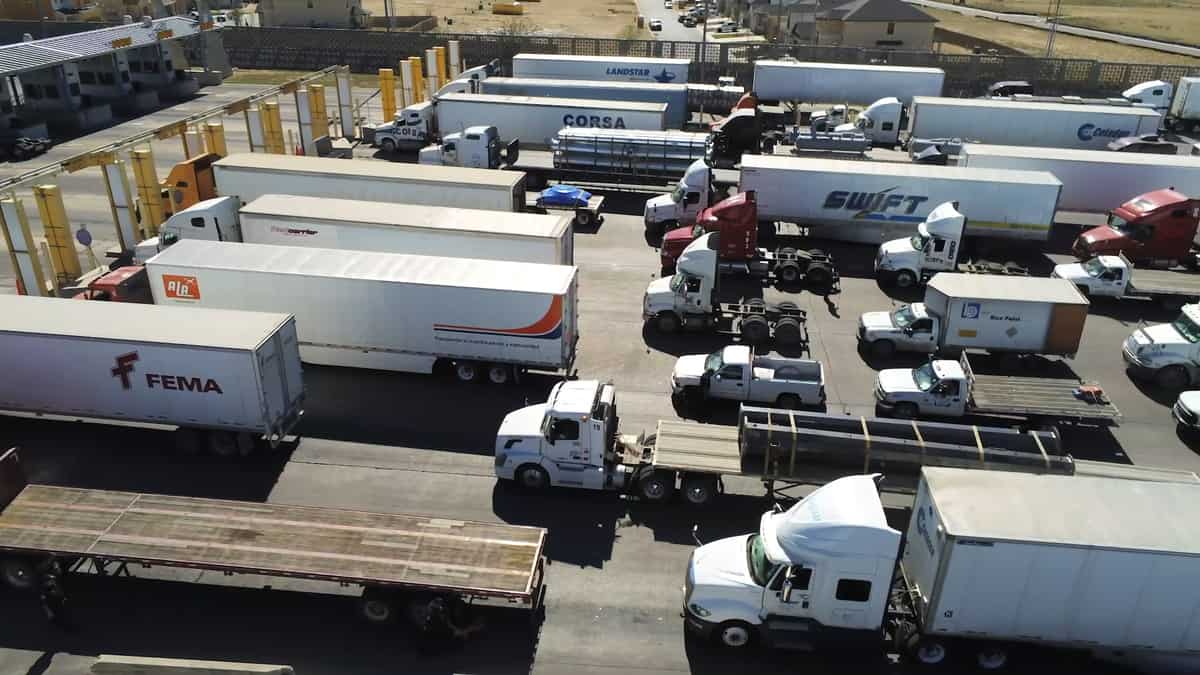
By 2017, it was estimated that there were over 500,000 trucking companies in the United States. About 80% of these trucking companies are regarded as small businesses, with six trucks or less. So while the industry is still regulated, the opportunities to enter the market have broadened dramatically. It is estimated that there are over 15.5 million trucks on the road; about two million are tractor-trailers.
The differences between trucking during the reign of the ICC and today are legion. But the easiest way to describe it is that competition has opened up the industry, benefiting trucking companies, truckers, shippers and consumers.

Recent Comments