

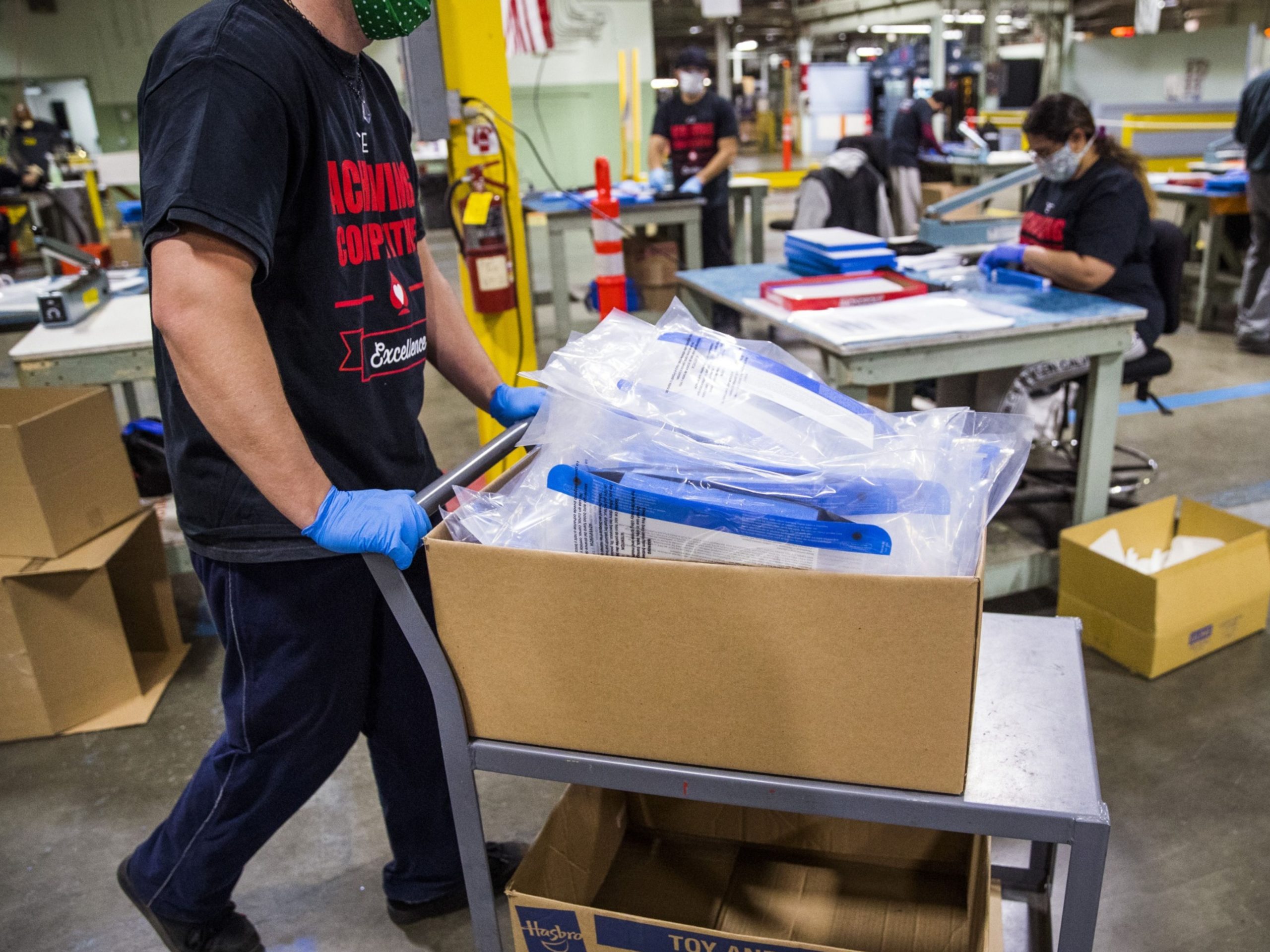

As we approach the one-year mark of the COVID-19 pandemic, supply chains in the U.S. are still struggling to operate confidently and efficiently with essential supplies.
According to data from the nonprofit Get Us PPE, personal protective equipment (PPE) requests in October increased for the first time since April. It was also the third month in a row when more than 70% of facilities ran out of at least one type of PPE, reflecting a major challenge that this third wave poses: streamlining the supply chain to get PPE where and when it’s needed.
If we’ve learned anything over the past nine months, it’s that the traditional supply chain infrastructure leaves organizations vulnerable during a pandemic. Unfortunately, these demands and fluctuations aren’t disappearing anytime soon. But with a few process changes and technological upgrades, manufacturers can take steps to streamline the supply chain for organizations that urgently need essential supply.
Consider Alternative Sources
Non-hospital organizations, including senior living, nursing homes, home health aides, rehabilitation and shelters, are particularly susceptible to the essential supply shortage. In October, 92% of the facilities that made requests from Get Us PPE were non-hospital organizations. While many large hospitals have been able to make PPE orders in bulk from suppliers, smaller facilities often feel the brunt of supply-chain disruptions.
Essential supply manufacturers that sell their goods via traditional procurement processes must grapple with an opaque system for awarding supply. Sellers don’t want to lose the business of larger customers, like hospital systems, so they often prioritize funneling their scarce supply accordingly. And because the vetting and contract process is intensive, sellers often struggle to establish new relationships with manufacturers. That means there could be quality PPE suppliers with a surplus of inventory out there, but the complex or inefficient selling process prevents manufacturers from connecting with smaller, non-hospital facilities who desperately need their supplies.
B2B suppliers can and should evaluate alternative sources instead of settling for rationing. With flu season well underway as well as holiday gatherings happening, both hospitals and non-hospitals will continue to need more PPE. Lockdowns and work-from-home policies continue to create major inefficiencies for manufacturers and suppliers that typically source materials from other countries or even other states. Online B2B supplier models, however, give sellers and suppliers access to a broader network of partners, enabling them to fill significant increases in demand, without the need for existing relationships or time-consuming contracts.
Partner With Existing Manufacturers
B2B sellers can expand relationships with existing manufacturers to fill these new supply chain gaps (and we’ve already seen many of these solutions play out in recent months). Tesla pivoted to manufacturing ventilators; alcohol brands to making hand sanitizer; 3-D printing companies to printing face shields, and some clothing brands to crafting face masks. These pivots have been minor and major. For example, hand2mind, a hands-on learning tools provider for K-12, shifted operations to sell PPE to hospitals and healthcare workers.
Despite the challenges the pandemic has created for most companies in some form or another, it’s been heartening to see organizations committed to doing what they can to address essential supply shortages across the globe.
Of course, for the reasons outlined above, traditional seller processes can make it challenging to get these much-needed products into the hands of the people who need them most. Online stores, however, help connect PPE suppliers with frontline workers across geographies, ensuring that these partnerships and manufacturing pivots don’t go to waste.
Adopt New Technology
Almost a year into the pandemic in the U.S., many manufacturers still lack the advanced e-commerce and logistics management technologies crucial to more nimbly meeting PPE demand. At the same time, many buyers are working from home to limit the spread of the virus, further disrupting typical purchasing processes.
Manufacturers need to meet buyers where they are: online.
McKinsey research found that since the start of the COVID-19 pandemic, about 70% to 80% of B2B decision makers prefer digital self-service or remote human interactions. Plus, 70% of B2B decision makers say they are open to making new, fully self-serve or remote purchases in excess of $50,000. Online stores streamline order tracking, management and fulfillment so suppliers can better get PPE to the front lines, without all the red tape of complex procurement contracts.
E-commerce also enables sellers to reach more customers and draw on real-time data analytics for better demand forecasting. Given the serious implications of shortages with PPE, these features are critical for manufacturers to predict demand and know when it’s time to consider additional sources for materials.
Online stores streamline many of the tedious processes on the buyer side as well. Advances in artificial intelligence and machine learning have greatly improved the purchasing experience. Product recommendations have become more personalized and relevant. Monotonous, time-consuming tasks like approval workflows have been automated. And simple, intuitive features allow buyers to make order updates and reschedule deliveries quickly and easily.
Meeting the spike in PPE demand as coronavirus cases continue will not be easy. But with a holistic approach to securing the supply chain — from new sources to strategic partnerships to technological upgrades — manufacturers can prepare now, avoiding supply shortages that leave essential workers vulnerable.
Bill Kopitke is head of healthcare at Amazon Business.
Recent Comments