


| Columnist
Happy New Year, everyone!
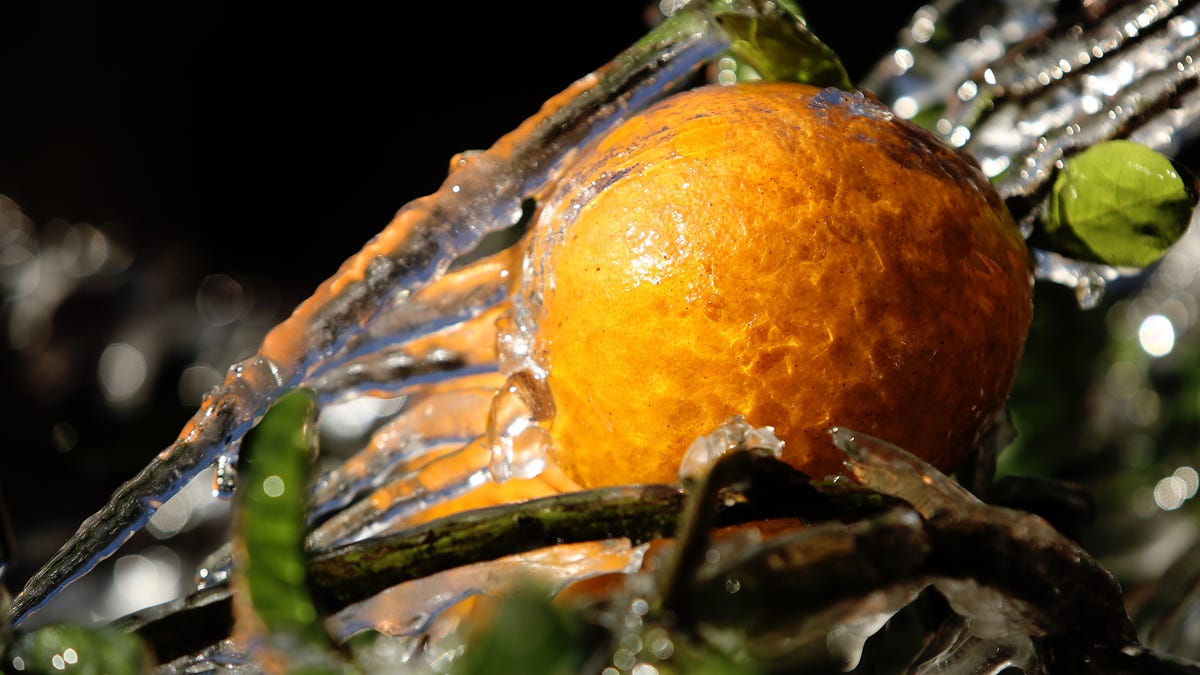
Brrrr….It has been cold. Although January and February are our coldest months of the year, Jack Frost stopped by the Sunshine State recently. The colder nights required many of us to cover our cold intolerant plants. Cold damage is all too concerning for many gardeners and landscapers. Luckily with a little bit of patience and love, we can help many of our plants recover from cold damage.
First, I think it is important to note that following the first principle of the Florida-Friendly Landscaping Program, Right Plant, Right Place, will greatly reduce or eliminate any threat of cold damage in your landscapes. Plant material best suited for our hardiness zones will quickly recover from cold damage or experience no damage at all. For example, when protecting our plants during our cold snaps, we do not need to cover every plant in our landscape. Recently I saw covered plants that tolerate temperatures below 0 degrees Fahrenheit.
Nonetheless, many of us have a plant or two that cannot tolerate our extreme cold nights. If they are not protected they may require recovery TLC. First, I would like to express my first step in freeze damage recovery…patience. No matter which plants are damaged it will be important to wait.
After plants experience cold damage, let time be our friend. Our initial inclination for plants with cold damage is to prune or fertilize. Do not do it…wait. The dead foliage does look bad but it helps insulate the rest of the plant. The exception is herbaceous plant material. Cut and remove herbaceous plants with cold damage because they may invite fungus or other pathogens to appear in your landscape. Ultimately wait until warmer weather to assess the full extent of the cold damage. Use your fingernail to scrape away the bark. Any black or brown wood should be removed.
Do not fertilize your cold damaged plants. New growth is more susceptible to cold damage. You do not want to unintentionally encourage new plant growth that could inevitably incur additional damage during subsequent cold nights. You may water your plants though. Cold damaged plants still need water.
Even our specialized plants and crops, such as citrus, follow these basic rules. It is very difficult to assess the full-extent of cold damage, so wait until warmer weather before pruning or fertilizing. Although, if there was leaf loss, fertilize your citrus more often and at reduced rates. Reduce your rates based on percent canopy damage. But do not be surprised if your citrus leaves seem to have a nutrient deficiency — this is common after cold-damage leaf loss.
Turfgrass is another concern from many homeowners this time of year. Our warm-season turfgrasses, such as St Augustine, Zoysia, Bahia, and Centipede, do not like our cooler temperatures. Once the cool season arrives our warm-season turfgrasses go dormant, just like many of our trees and shrubs. This should not be a concern — your turfgrass will green up in the spring without a problem. Although, if our temperatures rapidly fall below 20 degrees, the cold could kill some of the turfgrass. Wait until spring and see which areas do not green-up and fill-in the empty spaces with plugs or sod.
Ultimately, protecting our landscapes from Old Man Winter’s cold blasts start with proper landscape management. Following best management practices creates resilient turfgrass, ornamental plants and trees, helping maintain your stress-free winter landscape. So enjoy the New Year and be better prepared for managing Florida’s “cold” snaps.
To learn more about maintaining your landscape and the Florida-Friendly Landscaping Program or vegetable gardening, reach out to UF/IFAS Extension Alachua County’s office to speak with a Master Gardener Volunteer at 955-2402 or [email protected]. You may also check out Alachua County’s new Florida-Friendly Landscaping Program webpage for a list of resources at https://sites.google.com/ufl.edu/alachuaffl/home
— Dr. Taylor Clem is the Environmental & Community Horticulture Extension Agent for UF/IFAS Extension Alachua County. Contact him at [email protected] or 955-2402.
Recent Comments