


From raw material to fiber to fabric and then on to fashion apparel brands and the consumer, there’s one word to describe the ongoing transformation of the textile value chain: green.
Just two months into 2021, there have been several major sustainable announcements from brands such as VF Corp., Prada and Kering, among others, while fiber producers and fabric makers double down on their commitment for delivering more sustainable products.
More from WWD
For the consumer, the global pandemic has shown a spotlight on the importance of supporting greener brands while shifting toward garments made from high-quality fabric. And this trend is bringing end users closer to material suppliers.
“Demand, as always, is driven by the end consumer,” explained Silvio Botto Poala, chief executive officer of Botto Giuseppe, who said the drive for creating more sustainable products is also steered by the “increased responsible behavior” of the producer. “This is a strong trend that is moving producers and consumers into each other. Sustainability is a significant trend, and it’s not a choice, it’s a must.”
Whether natural or man-made, the fiber segment of the supply chain is responding to this trend by continuing to innovate, working with fabric suppliers to deliver greener products that also perform well.
With natural fibers, brands themselves are supporting greener, cleaner processes that also address climate change. For example, The North Face recently announced a regenerative cotton project. Regenerative farming practices reduce carbon dioxide from the atmosphere and restore soil health and biodiversity. The process includes using cover crops, cutting the amount of tillage and deploying a holistic livestock management program.
The North Face, which is owned by VF Corp., follows Timberland’s regenerative leather initiative. In the partnership, The North Face will team with nature-based solutions company Indigo Ag, which is a company that modernizes “ancient practices” with the advent of microbiology and digital technology. The North Face’s regenerative cotton collection will launch in fall 2022.
Meanwhile, Kering kick-started its biodiversity program with a call for applications to the company’s fund that aims to convert land use to regenerative farming methods. Kering recently held an online discussion with Conservation International, a partner for the program, that include executives from the nonprofit organization Textile Exchange.
Focusing on biodiversity is just one part of the picture. Companies continue to look for more circular practices. On that front, Eastman Chemical Co. board chair and chief executive officer Mark Costa along with Tennessee Gov. Bill Lee recently announced the company’s plans “to build one of the world’s largest plastic-to-plastic molecular recycling facilities at its site in Kingsport, Tenn.”
The company said in a statement that through methanolysis, “this world-scale facility will convert polyester waste that often ends up in landfills and waterways into durable products, creating an optimized circular economy. Over the next two years, the company will invest approximately $250 million in the facility, which will support Eastman’s commitment to addressing the global waste crisis and to mitigating challenges created by climate change, while also creating value for its stakeholders.”
Eastman said the facility will use more than 100,000 metric tons of plastic waste “that cannot be recycled by current mechanical methods to produce premium, high-quality specialty plastics made with recycled content.” The company said the process of using plastic waste as the main feedstock “is a true material-to-material solution and will not only reduce the company’s use of fossil feedstocks, but also reduce its greenhouse gas emissions by 20 to 30 percent relative to fossil feedstocks.”
These announcements follow major policy shifts to address climate change — most notably in the U.S with President Biden signing a series of executive orders that halt the Keystone pipeline and have the country rejoining the Paris Agreement.
From the point of view of the consumer, efforts addressing climate change are a priority. And, according to a research report and consumer survey from CGS, which is a global provider of business applications, enterprise learning and outsourcing services, “more than two-thirds of the respondents consider sustainability when making a purchase and are willing to pay more for sustainable products.”
The firm also noted that despite being a relatively new buying group, “Gen Z shoppers make up some of the most conscious buyers, with 68 percent having made an eco-friendly purchase in the past year.”
Andrea Crespi, managing director at Eurojersey, said the consumers today increasingly “aware of what they buy, and they recognize the value behind a product. This choice concerns the brands and, moreover, the final consumer.”
“Quality and longer-lasting are the key drivers for Eurojersey,” Crespi said. “Being a company with a vertical process, we are able to track every step in our production cycle, this allows us to be very accurate in what we do in terms of higher standard products with less impact on the environment in terms of resource savings.
Crespi said the Italian company’s brand Sensitive Fabrics is well-positioned in the market especially in U.S. “Our customers do recognize our efforts in terms of sustainability, being one of the first company in textiles industry to have started a sustainable project back in 2007,” Crespi added.
In regard to the company’s sustainability vision, it’s embedded into the day-to-day operations of the business, noting that “it all starts from process and investments in the production. Furthermore, we believe that it is crucial to declare our impact on the environment. This is why Eurojersey adopted the PEF [product environmental footprint]: a set of very specific and well-defined criteria that measure the environmental footprint across the entire life cycle of a product.”
Regarding the company’s footprint and heritage, Eurojersey is a local business with global clients. Crespi said all production is done from a single facility in Caronno Pertusella, which is a small town 20 kilometers from Milan. “Since 1960 we have never moved nor considered to allocate part of our production anywhere else,” Crespi said. “Our Italian culture in terms of research, high quality and style gives us the chance to work with leading brands across the world. During these challenging times, it’s strategic to keep high the value of our products.”
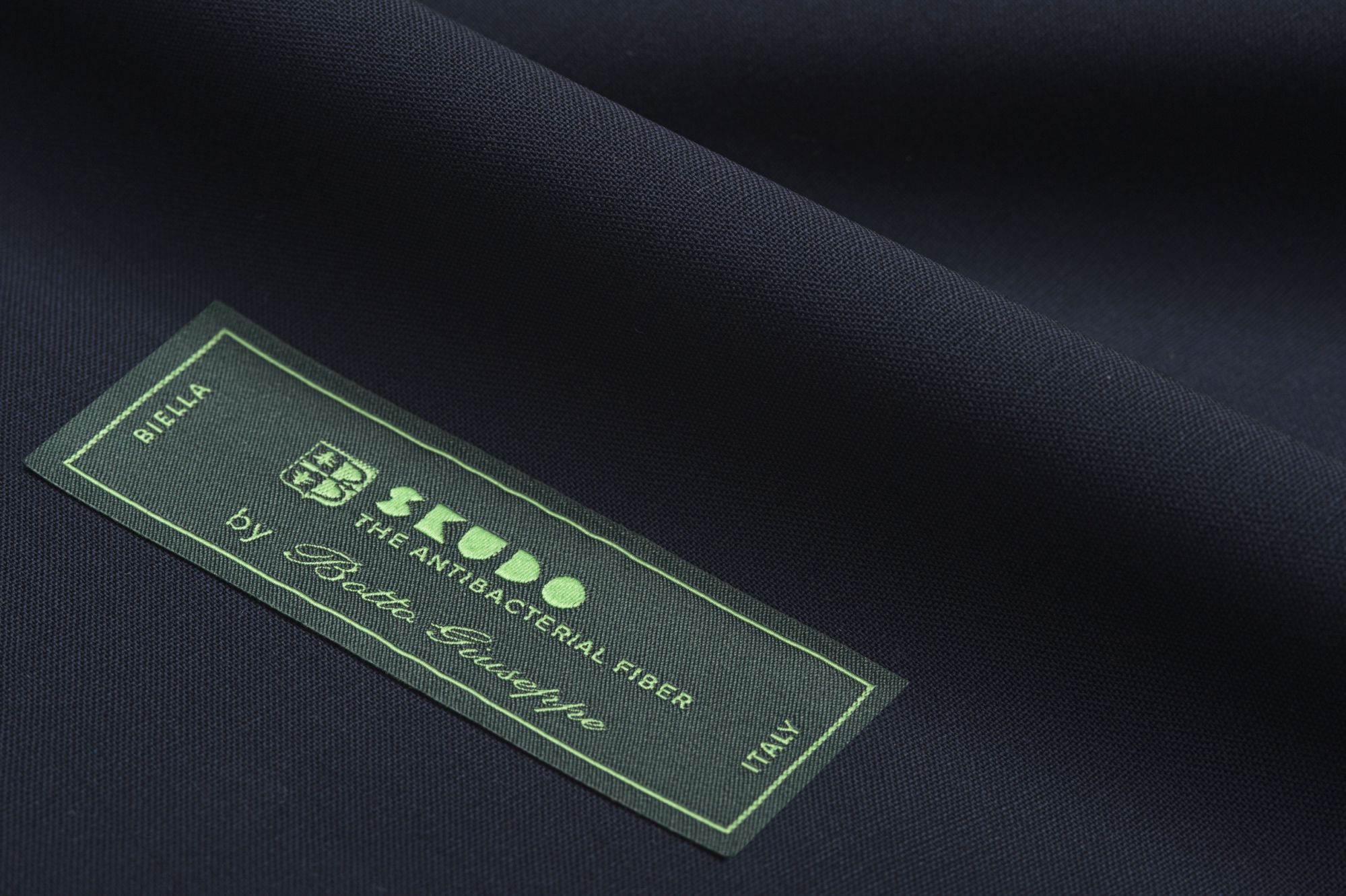
For its part, Botto Giuseppe, also located in Italy, sees the demand for greener products as key to its success. Botto Poala, the ceo, said the goal is to offer transparency and traceability “in all production processes, from raw materials to the final product. The company’s priority is doing better every year and contributing to a more friendly environment.”
When asked about the company’s sustainability vision, Botto Poala said the goal is to reach “full sustainability,” and noted that producing renewable, natural and biodegradable materials is only the first step, and that the company is looking “to improve all the full cycle of production that includes using renewable energies, low impact dyes and finishing” as well as deploying CO2 reduction methods and water stewardship practices.”
“Our goal will be to reach a kind of circular economy with the principle that our luxury products are biodegradable and reduce the wastage almost to zero,” the ceo said, adding that the Botto Giuseppe was one of the first companies to develop a sustainable collection in 2016, called “Naturalis Fibra,” which was “certified cradle to cradle with a circular economy concept that was not only considering the animal welfare but also the energy used in the production” including water stewardship and the chemicals used during the dyeing process.
Botto Poala said since then, “we increased this collection making it more sustainable and adding new farms partner to it. Now 50 percent of our collection is sustainable.” And when asked about the attributes of “Made in Italy” and how it fits into a sustainability ethos, Botto Poala said Made in Italy is still a strong reference “for the luxury market, but today it has to be backed by a sustainable philosophy that we can explain to the customer with a narrative that explains the transparency and the traceability of the product.”
The ceo said the textile market has seen an “unprecedented demand for sustainable products from consumers” and said one of the major concerns “is the complex supply chain network.” Botto Poala said it is a supply chain that requires creating an efficiently traceable system that monitors all sustainable aspects.
“Botto Giuseppe, with its vertical production from scouring, spinning, weaving, dyeing and finishing, can satisfy [consumer demands for greater sustainability], so we can create a sustainable supply chain,” Botto Poala said acknowledging that the costs of doing so is higher. But noted that “sustainability is the new luxury.”
Sign up for WWD’s Newsletter. For the latest news, follow us on , , and .
Recent Comments