


As supply chains continue to be driven by the growing customer expectations of convenience and quick deliveries, the last mile game has become all the more competitive and dynamic. Final mile deliveries are highly energy-intensive and pose the mighty concern of increasing pollution levels, climatic imbalance, and excessive fuel consumption. As businesses work hard to fulfill customer demands, they must also address the social responsibility towards the environment.
Of late, there has been a growing consciousness among consumers and enterprises across industries to adopt sustainable lifestyles and business practices, reduce carbon footprint, and minimise ecological depletion.
Customer expectations for eco-friendly products, organic foods, and minimum plastic waste are important drivers of sustainable manufacturing and distribution. International market standards and regulations enforced by governments worldwide have also triggered a certain ‘green thinking’ in supply chain decision-makers.
Companies have come to realise that day-to-day activities in manufacturing, warehousing, packaging, shipping, distribution, and last-mile operations contribute heavily to greenhouse gases, non-biodegradable wastes, and environmental damage.
Globally, hundreds of big brands and growing corporates are embracing greener business practices to achieve the zero-emission dream.
Over 175 of the world’s most influential companies are already a part of RE100, a global initiative bringing together businesses committed to 100 percent renewable electricity. Google, AutoDesk, Elopak, and Interface are a few of the companies that have already achieved this goal and are now powered by 100 percent renewable energy.
FedEx, one of the world’s leading international express transportation companies, is running several green logistics initiatives and has increased fuel efficiency by 22 percent, deploying 482 electric and hybrid-electric company vehicles. DHL Logistics is a pioneer when it comes to sustainable logistics practices. The company focuses on minimising carbon footprint and reducing air and noise pollution, improving fuel efficiency across its fleet, and improving energy efficiency in buildings.
India’s homegrown e-commerce player Flipkart is focused on fostering sustainable practices across its business and value chain, driving several initiatives towards a vision of sustainable growth, with a commitment to reduce single-use plastic packaging in its supply chain and has already achieved a significant reduction in consumption of plastic packaging.
The company also recently announced its commitment to transition to 100 percent adoption of electric vehicles by 2030, joining The Climate Group’s global electric mobility initiative, EV100.
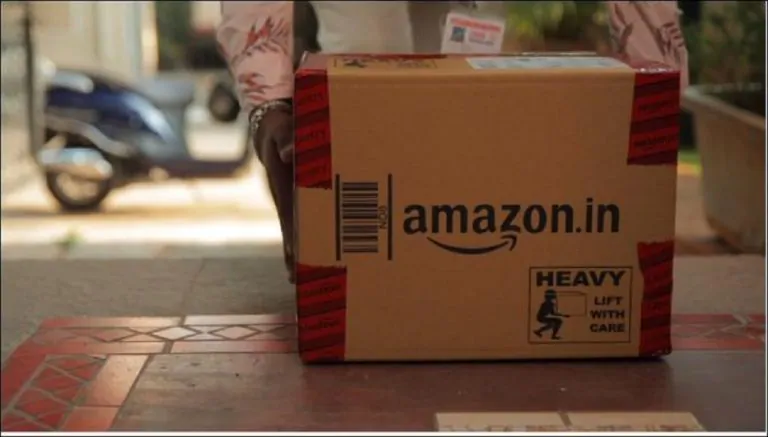
Many other global supply chains are keeping up with this growing trend of introducing electric vehicles for delivery operations to reduce fuel consumption and minimise pollution. Amazon, for instance, plans to run on 100 percent renewable energy by 2030 and will include 100,000 battery-electric delivery vans for its Prime deliveries.
Introducing green logistics in your supply chain is not only good for the environment and society at large, but it is also more efficient and helpful in lowering operating costs and improving logistics efficiency.
Sustainable logistics practices include all the initiatives taken by businesses to minimise the overall ecological impact of logistical activities. It covers reducing carbon footprint and ecological wastage across both forward and reverse flow of goods and services through the supply chain, including transportation, storage, and distribution of goods.
With the growing demand for same-day, next-day, and lightning-fast last-mile deliveries, green logistics aims to measure the carbon footprint of logistics operations and establish standard procedures of sustainability while reducing packaging waste and minimizing air, soil, water, and noise pollution in the last mile.
As a supply chain enterprise, going green and establishing an effective environmental strategy is a long-term commitment. But with careful planning and clear strategy, you can minimise your carbon footprint and achieve zero-emission targets smoothly.
Going green may have different implications for different kinds of businesses. For instance, it could be reducing packaging waste or using recycled packaging material for an e-commerce business, while it could be minimising fuel usage and carbon emissions for a delivery service provider or sourcing raw materials ethically for a manufacturing enterprise. Based on your business requirements and the potential damage caused by your supply chain, design a green logistics strategy and an achievable timeline.
Once you have a solid strategy in place, communicate your commitment and efforts taken towards a greener supply chain with your employees, customers, policymakers, and the community at large. Some businesses also participate in industry groups and corporate associations to incorporate trending good practices in their systems. Informing customers and employees about the ongoing green initiatives also builds trust and support towards the brand.
Digitizing logistics operations and putting smart tech to use can go a long way in supporting your green initiatives while optimising your supply chain.
Technological advancements in artificial intelligence, the Internet of Things, and data science are helping supply chain businesses automate manual supply chain operations, improve logistical efficiencies while minimising carbon footprint.
Say, for example, with route planning and delivery optimisation solutions; you can go paperless and plan day-to-day dispatches and delivery routes accurately, thereby reducing fuel consumption in distribution processes. Real-time logistics tracking tools can bring in a great deal of transparency and visibility in your supply chain, reducing the time taken on roads, minimising fuel wastage during idling hours, and allowing you to take effective measures in real-time.
Supply chain network optimisation solutions can help in accurate and optimal placement of warehouses, dark stores, and distribution centers, bolstering warehousing efficiency and minimising energy usage.
Going a hundred percent green in your supply chain and achieving zero carbon emission goals is certainly possible with years of consistent efforts and effective implementation. As protecting the environment becomes more crucial in today’s fast-changing world, bringing in a touch of green in your supply chain is not just a good initiative anymore; it is the need of the hour.
—The author, Krishna Khandelwal is Chief Business Officer, Locus. Views are personal
Recent Comments