


Retail is in a tough position. With a vast swathe of the U.S. stuck at home and retail stores closed, brands are strategizing to get as many people shopping online as possible. They also need to sell off the inventory they have so it doesn’t become a sunk cost sitting in a warehouse. Many are turning to heavy discounts.
Brands and retailers big and small have cranked up discount percentages in the past week as they seek to encourage customers to keep shopping through this rough period, and many brands aren’t happy about the heavily promotional environment that is set to become the norm. Luxury brands especially have prided themselves on rarely discounting their products. But these are extraordinary times and brands across the board are doing what they can to stay afloat.
On the small-business and DTC side, fashion companies have been much more open to discounts. Amber Tolliver, founder of lingerie brand Liberté, said she’s sending out $20 gift cards to customers, though she normally likes to limit discounts to only two or three times a year. Katherina Borve, founder of another DTC underwear brand Brassy Bra, said that she’s planning to run a sitewide 20% discount in the next week. Fashion brand Staud is discounting everything by 25%, and Morgan Lane is taking 20% off everything (with the promo code STAYCOZY, meant to encourage people to stay indoors).
Discounts can act as a retail stimulus, helping boost sales in the short term so that businesses can stay afloat and get back to long-term sustainability. For example, at the beginning of 2018, H&M had an abundance of unsold goods and was facing slowing sales. The company enacted a discount blitz, boosting average price drops from 38% to 47%, and reducing its unsold goods by a full percentage point.
But the danger is the retail environment will soon echo that of the 2008 financial crisis, when retail discounts were massive — up to 80% — as stores became desperate for people to shop.
“Inventory can kill any business,” said Joe Kudla, CEO of activewear brand Vuori. “Companies that mismanage their inventory and can’t sell through it will go bankrupt. The off-price channel, which is the way companies normally exit old inventory, will have a lot of supply and little demand. It’s going to be a heavily promotional environment in the next few months.”
Bree McKeen, CEO of underwear brand Evelyn & Bobbie, said that while discounts are tempting, companies should resist the urge to cut prices.
“Our business has been hit hard by COVID-19, just like most other retailers across the world,” McKeen said. “Our sales have slowed to a near halt, but we will not turn to online discounts to drive sales because of the negative impact that has on our boutique partners. Instead, we’re encouraging our customers to buy gift cards from their local stores. We will also be providing a discount code for boutiques to share with their communities. That allows customers to shop directly from our site, and a portion of those profits will be shared with our boutique partners.”
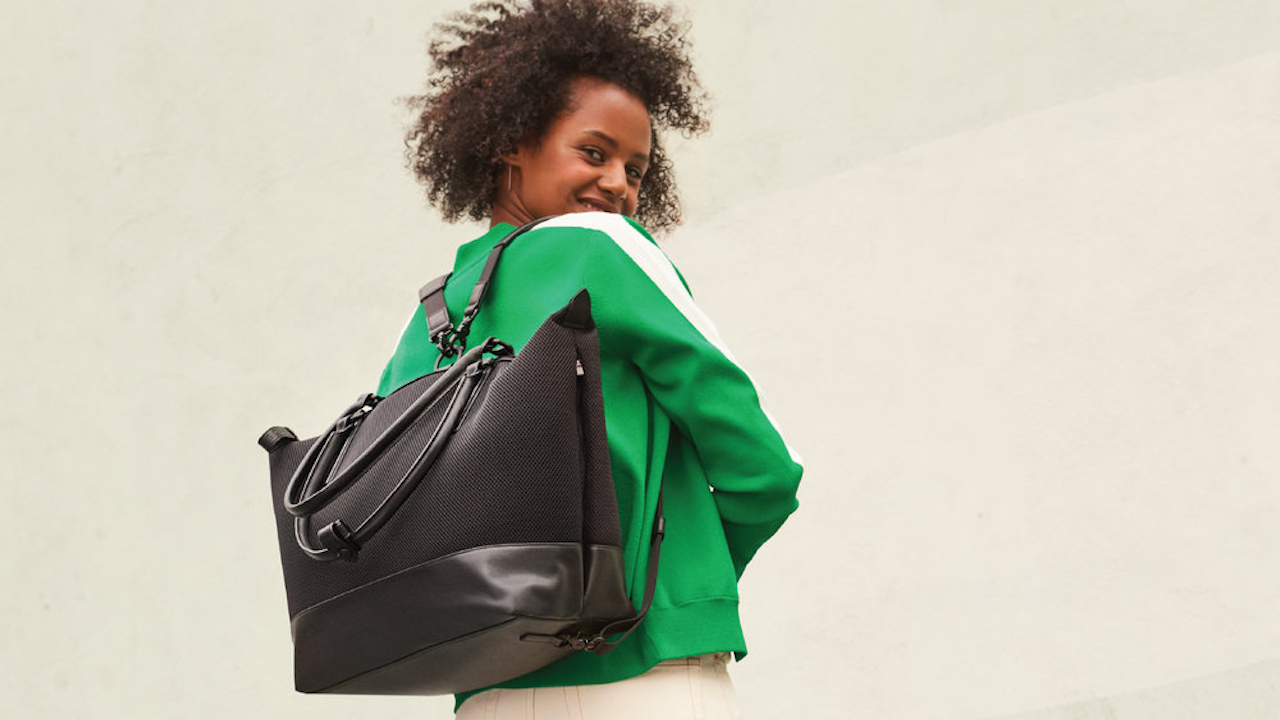
DTC bag brand Caraa typically does not do any discounting except for on Black Friday, a strategy that founder Aaron Luo said should be what any DTC brand aspires to.
“DTC’s whole value proposition is that the prices are lower because the margins are lower, because they’re selling directly to the consumer,” Luo said. “If you start discounting, it sends the wrong message to the customers. You train them to only buy when stuff is on sale, and then your revenue tanks. So for many years, we’ve resisted the urge.”
But given the extraordinary circumstances, Caraa is currently offering a flash sale on one of its products, a washable anti-bacterial bag. Luo said that sell-through for the item is healthy and that discounting it is purely a way to make more available something that could be useful during a pandemic.
On the luxury side, discounts threaten the dilution of a brand. Michael Ward, managing director of Harrods, told Glossy last year that one of the key reasons American department stores struggle is because they are too quick to discount brands that should be kept exclusive. But now, those retailers are facing little choice.
Net-a-Porter and Saks Fifth Avenue are currently running promotions of up to 10%, while Neiman Marcus and Moda Operandi are running promotions up to 20%, according to PYMNTS. A representative from Farfetch said that the company does not comment on discounts, but they did say the company is increasing visibility of styles from small boutique partners whose retail stores have closed.
Ultimately, how brands and retailers are approaching discounts comes down to their inventory.
“Shifts in promotional activity will depend on factors such as how much inventory a retailer has, whether deliveries are received as planned, whether stock arrives out of season and how consumers respond to potential shifts in disposable income,” said Emily Bezzant, head analyst at Edited. “Some retailers have been minimally disrupted by supply issues, while others have less product than planned and, therefore, selling it undervalue is counterintuitive.”
Bezzant said that, in analyzing data from Edited, it isn’t usually the highest-discounted item that sells out and that discounts don’t have to be drastic to entice customers. While it might be tempting to put up deep discounts in order to move product before it devalues over time, brands and retailers risk bigger losses if they push discounts past 20% or 30%.
“Now is the time to be really disciplined,” Kudla said. “You have to buy inventory conservatively and be very careful with pricing so that you don’t have unsold stuff sitting in a warehouse, but you’re also not devaluing the brand.”
Recent Comments