



Running a small to medium-sized business is not cheap. So saving money wherever you can might seem like a good idea. When your business involves shipping, transportation, and delivery, those are often your biggest expenses. It would make sense, therefore, to cut costs in this area. One of the ways you’re probably doing that is by not paying extra for cargo insurance. But is that really a good idea? Before you make your final decision, you should learn a bit more about cargo insurance for small and medium-sized companies.
Cargo insurance for small and medium-sized companies explained
The first thing you need to understand when deciding on your insurance coverage is what exactly cargo insurance is. Like any other type of insurance you may take out on your house, car or even life, cargo insurance is there to protect you from major financial losses in case something goes wrong. If you have cargo insurance and your shipment is lost or damaged during transportation, you will be reimbursed for the losses you suffered by your insurance company.
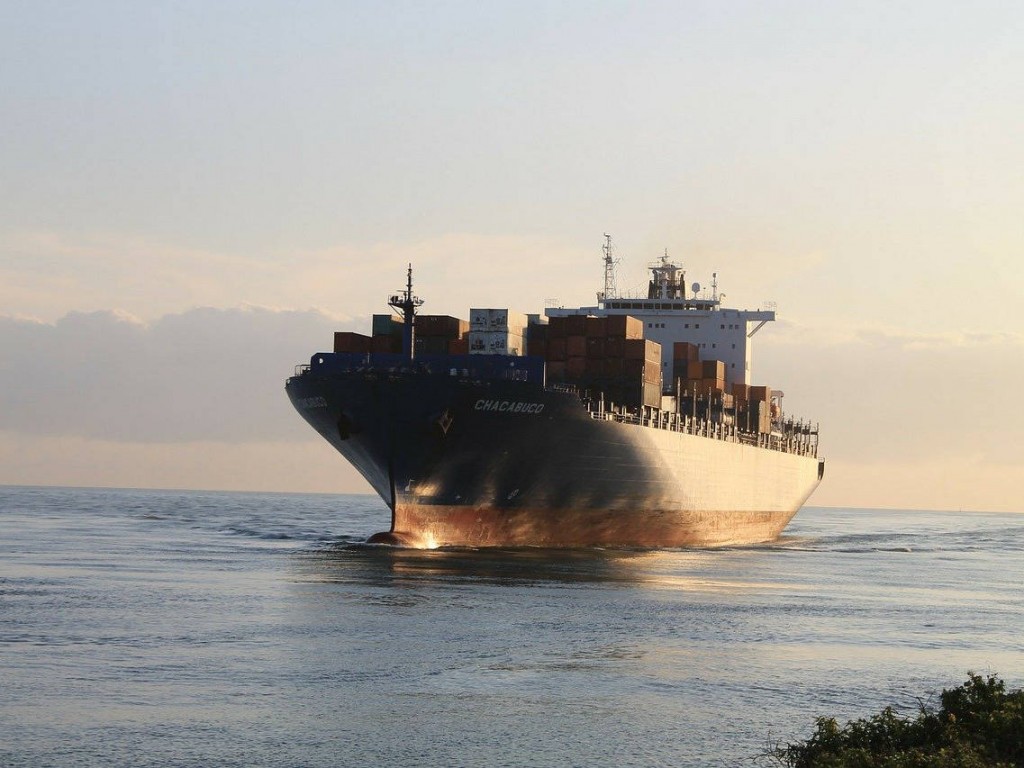
But your carrier already offers liability insurance, so you’re covered, right? With Americans paying through the nose for the ongoing trade war, you don’t want to incur additional costs to your business unnecessarily. Surely cargo insurance on top of carrier liability is too much. Well, not quite. Cargo insurance and carrier liability are two different things. The insurance most carriers and freight forwarders offer is minimal and comes with a lot of conditions. In many cases, getting reimbursement of any kind from a carrier is nearly impossible. And even when you do get it, the amount may not be what you expect – you’ll likely only get pennies on the dollar. Cargo insurance for small and medium-sized companies will, on the other hand, cover the full value of the shipment So you’d be wise not to rely on carrier liability alone, especially for valuable and important shipments.
Types of cargo insurance for small and medium-sized companies
Like all other types of insurance, cargo insurance comes in different forms. What type of insurance you choose will depend on your shipment, your business, your budget, current industry trends, insurance company’s offers and more. But in order to make an informed decision, you will need to know at least the basics of the most common types of cargo insurance for businesses. These types of insurance are primarily marine cargo insurance. But marine cargo insurance usually also covers air freight. Either way, you should talk to your insurance provider before the final decision and get the details on their specific offer.
Single coverage
If you only want to have cargo insurance on a specific shipment, then single coverage is what you’re looking for. Single coverage insurance is purchased for an individual shipment only. This can be a cost-effective way to insure shipments if you only infrequently ship internationally or if your shipments aren’t normally very valuable. This can also be a certain type of additional coverage just for the most valuable shipments. You may, for example, rely on carrier liability for shipments that aren’t going far or are with carriers you trust. But if you then decide on moving your business out of Columbia, SC to a whole other country and suddenly need to ship pretty much everything your business owns, you can get extra insurance for that shipment only because it is worth the extra cost for your peace of mind.
Open coverage
If international shipping is something that your business does on a regular basis, coverage on the basis of individual shipments won’t pay off. You should then consider open coverage instead. Open coverage typically covers all shipments within a set time period (usually one year). It’s an easy way to insure a large number of shipments under one policy. So if you often ship internationally, this is probably the better option for your business.
All-risk coverage
Cargo insurance policies don’t only differ depending on how long they cover you for. They also differ based on what they cover you for. So you will need to decide if you want insurance from every possible negative outcome (which is likely to cost you more) or just the specific ones you are likely to encounter.
All-risk coverage will protect you from losses in most cases. Provided the goods you’re insuring aren’t inherently fragile, you should have no problem purchasing this type of insurance from any provider. Then, if your shipment is in any way damaged or lost, you won’t have to worry. The only exceptions to this are if damage occurs due to:
- your own negligence
- customs rejection or delay
- war, strike, riot or civil unrest
- unforeseen natural disaster
- failure to pay or collect payment
Named perils coverage
Some scenarios are, of course, more likely than others. You may, therefore, choose to insure your cargo in the event of only the most likely causes of loss and damage. If you’re frequently receiving or sending shipments through major SC ports, for example, you’re unlikely to be affected by war or civil unrest. But you might face the risk of hurricanes. So you can choose to insure yourself against natural disasters only. This would be the named perils coverage – insurance only against perils specifically in the policy. It is less comprehensive than all-risk coverage. But its selling point is that you can insure yourself against exactly the risks that all-risk coverage does not include.

Why do you need cargo insurance for small and medium-sized companies?
Even though cargo insurance certainly has benefits, the question of whether you truly need it is still a valid one. After all, things go according to plan in most cases. So sometimes it can be beneficial to your budget to take the risk of shipping with carrier liability only. But we would still advise that you get cargo insurance whenever you can and always when you are the liable party under the incoterm you agreed to because it is the best way to avoid a major financial blow in case something goes wrong.
Is cargo insurance for small and medium-sized companies a worthwhile expense?
So to summarize: cargo insurance for small and medium-sized companies is not a requirement and it can be an unnecessary extra cost but it can also save you from major financial losses. Is it worth the expense, then? This is a question only you can answer! Sometimes, taking the risk and shipping without insurance is worth it. Other times, the shipment is simply too valuable to lose and insurance is a must. One thing is certain, however: you should not make decisions about cargo insurance lightly.
This article does not necessarily reflect the opinion of the AJOT editorial board or Fleur de lis Publishing, Inc. and its owners.
Recent Comments