

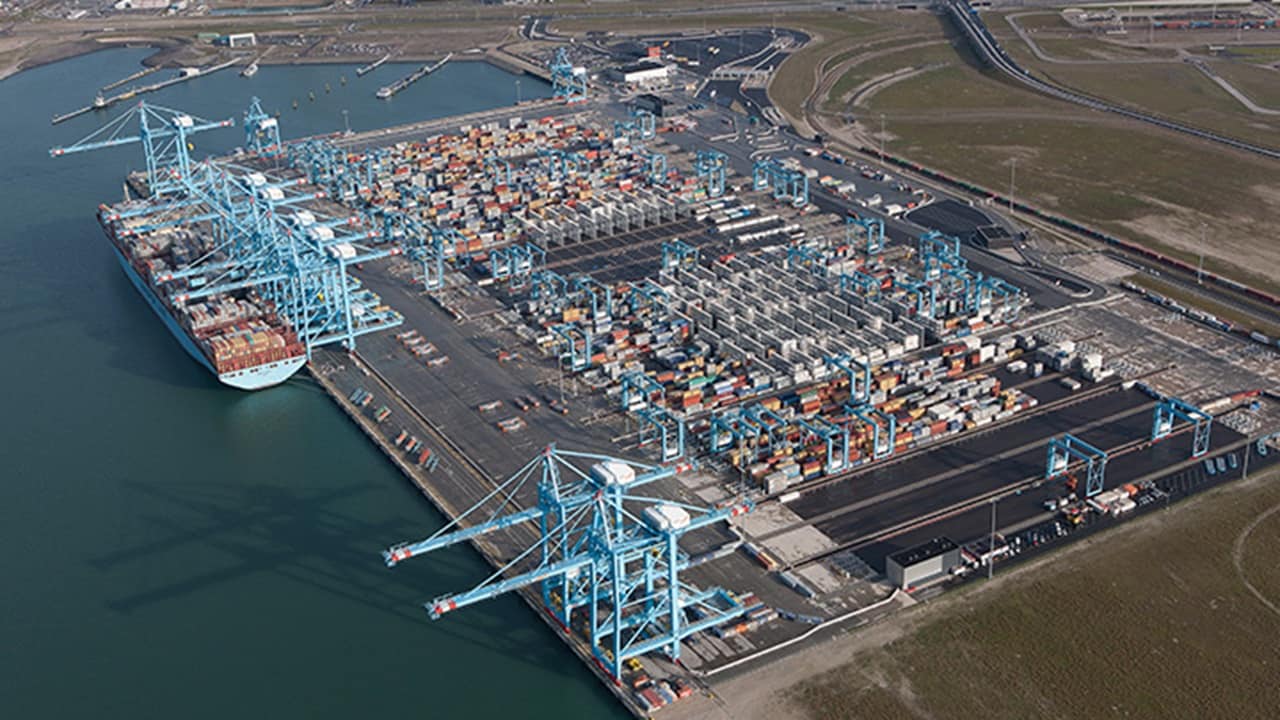

More than 70% of the imports that reach the United States come by ship and enter the country through its ports. One of the largest shipping companies in the world – A.P. Moller – Maersk – carries a share of those imported goods.

According to the company website, “A.P. Moller – Maersk is an integrated transport and logistics company with multiple brands and is a global leader in container shipping and ports. The company employs roughly 76,000 employees across operations in 130 countries.”
It is a huge company with a global reach. But like most global companies, it didn’t start that way. This edition of FreightWaves Classics provides an overview of the company’s history. Much of the information and most of the photos come from the company’s website, and FreightWaves Classics thanks A.P. Moller – Maersk for its cooperation.
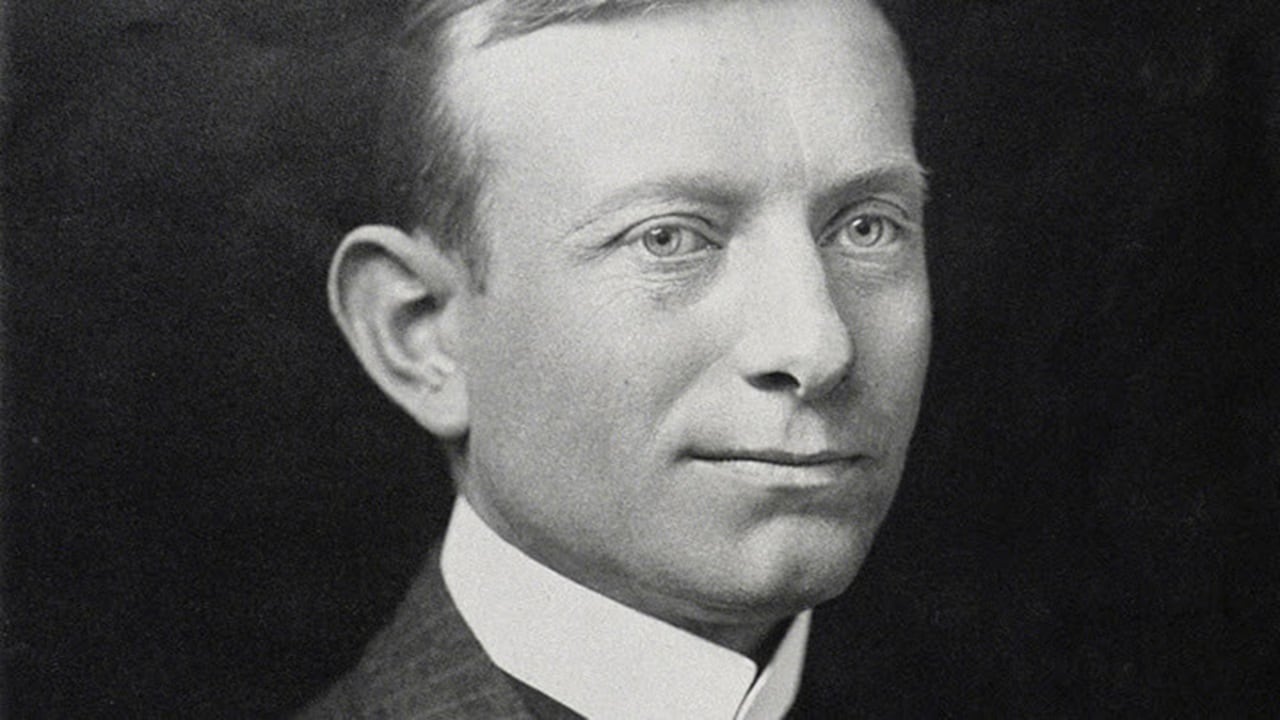
(Photo: A.P. Møller – Mærsk)
Early in the last century (April 16, 1904 to be exact), Dampskibsselskabet Svendborg (The Steamship Company Svendborg) was established in Svendborg, Denmark. This company eventually became what is known now as A. P. Moller – Maersk. The company was founded by A.P. Møller and his father, Peter Mærsk Møller. With some difficulty, the father-son team were able to raise enough money and purchased a used steamer in October 1904. The Møllers renamed the ship SVENDBORG after their hometown.
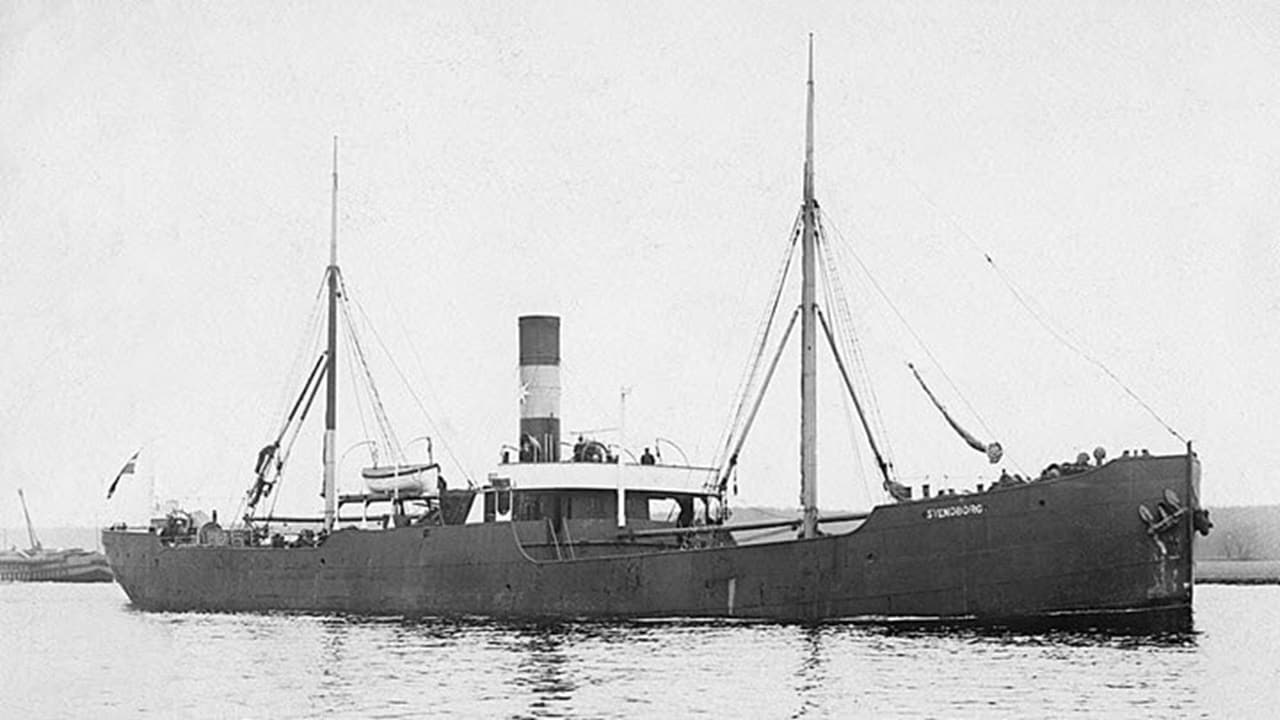
The younger Møller wanted to expand more quickly than the company’s board members felt was prudent. Therefore, when he had the opportunity in 1912, A.P. Møller founded another steamship company (Dampskibsselskabet af 1912).
World War I provided opportunities for shipping companies, and Møller’s new enterprise was able to expand rapidly. Interestingly, both steamship companies were managed together for decades, when they were merged under one name in 2003 – A.P. Moller – Maersk.
Møller had other ideas as well; he wanted to open a shipyard and combine the company’s shipping experience with shipbuilding. He did so in 1918, opening the Odense Steel Shipyard on the island of Funen. Over the decades, the shipyard was a key company supplier, particularly after the initial container ship was delivered in 1980. However, the company’s leadership decided to close the Odense Steel Shipyard in 2009 because of increased competition. The last vessel built in the shipyard was delivered in 2012.

In 1919, shortly after the end of World War I, A.P. Møller and his cousin, Hans Isbrandtsen, opened the New York office of ISMOLCO (which stood for the Isbrandtsen-Moller Company) for cargo bookings.
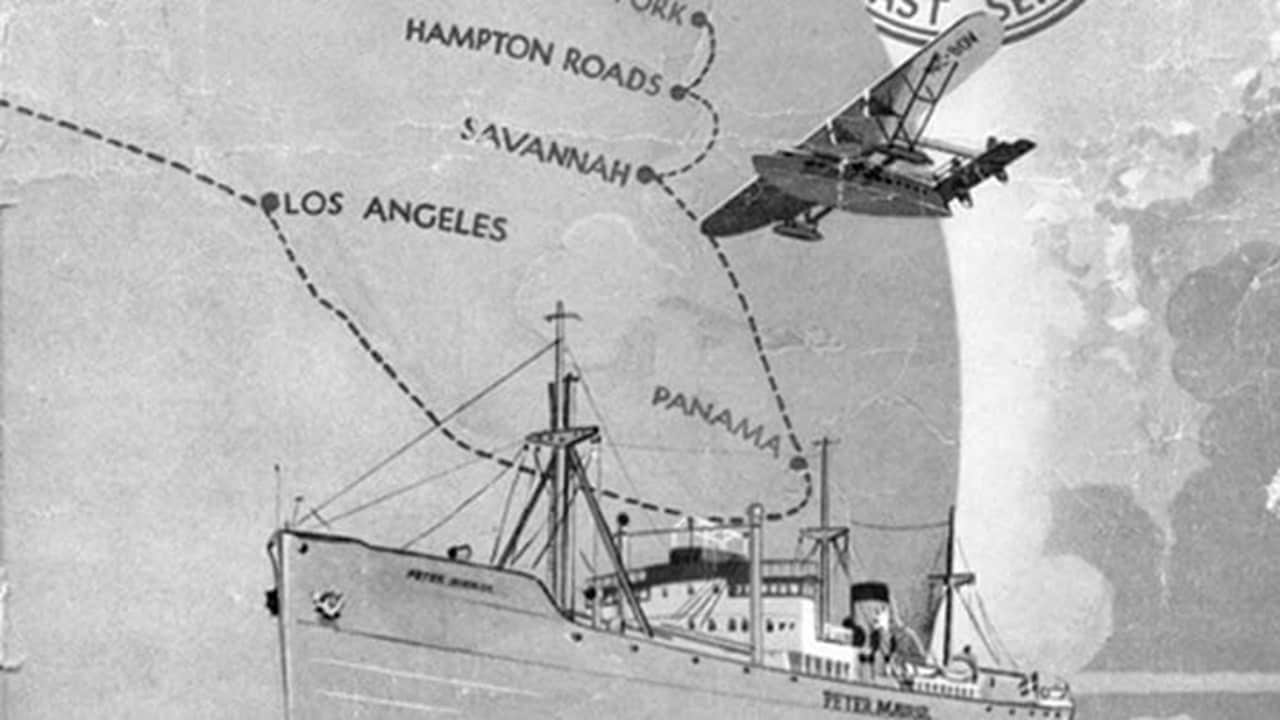
The company’s first regular liner service began in 1928 with monthly sailings. Maersk Line was chosen as the name of the new service, which changed the company’s focus from the spot market. In maritime shipping, participating in the spot market means that a ship agrees to carry cargo to a specific port or ports and does not keep a regular schedule or call on the same ports from voyage to voyage. The first Maersk Line service left from the Port of Baltimore, traversed the Panama Canal, and then made calls on U.S. West Coast ports and Asian ports. The U.S. to the Far East liner service was Maersk Line’s only service until 1947, when the company established additional routes.
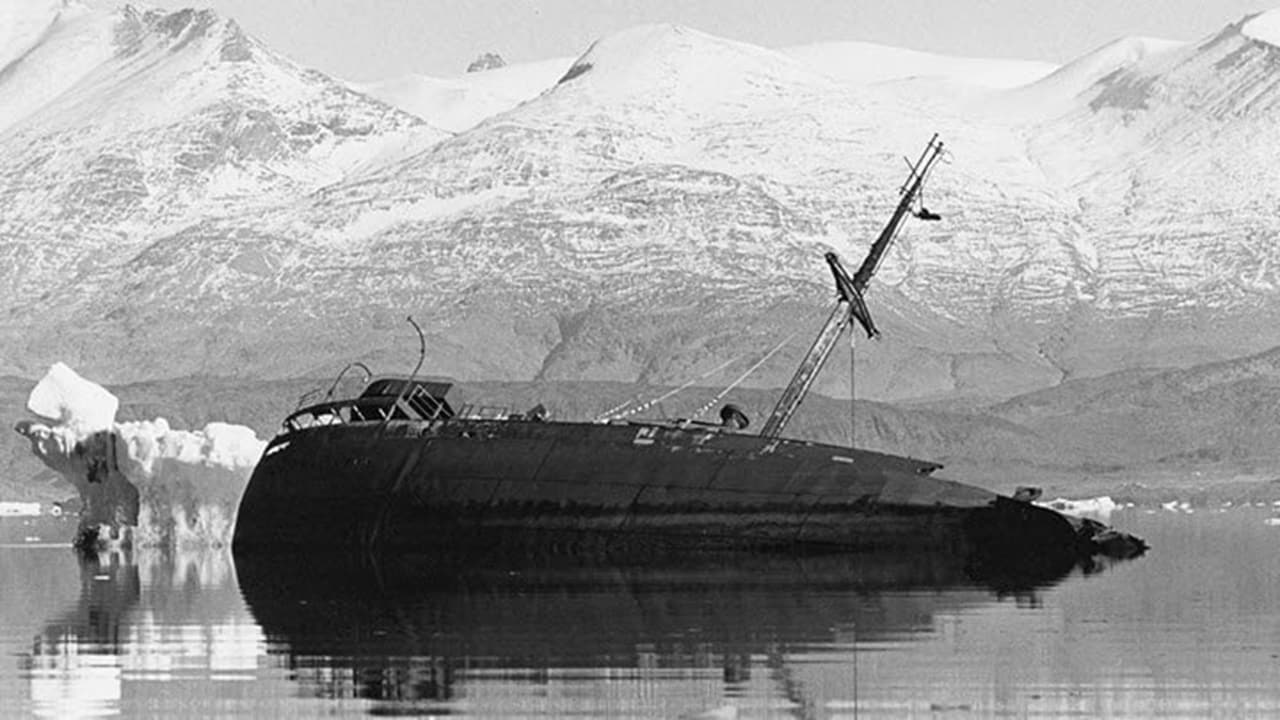
World War II in Europe began on September 1, 1939 when Germany invaded Poland. A few months later, Germany began its occupation of Denmark on April 9, 1940. On the night of April 8, A.P. Møller and his son, Mærsk Mc-Kinney Møller, sent messages to each of the company’s ships that were outside Danish territory to steer for neutral ports – as well as to disregard any further orders from occupied Denmark. Of the company’s fleet of 46 ships, 36 were requisitioned and utilized in the war effort. The war was costly; 150 seamen and 25 ships were lost.
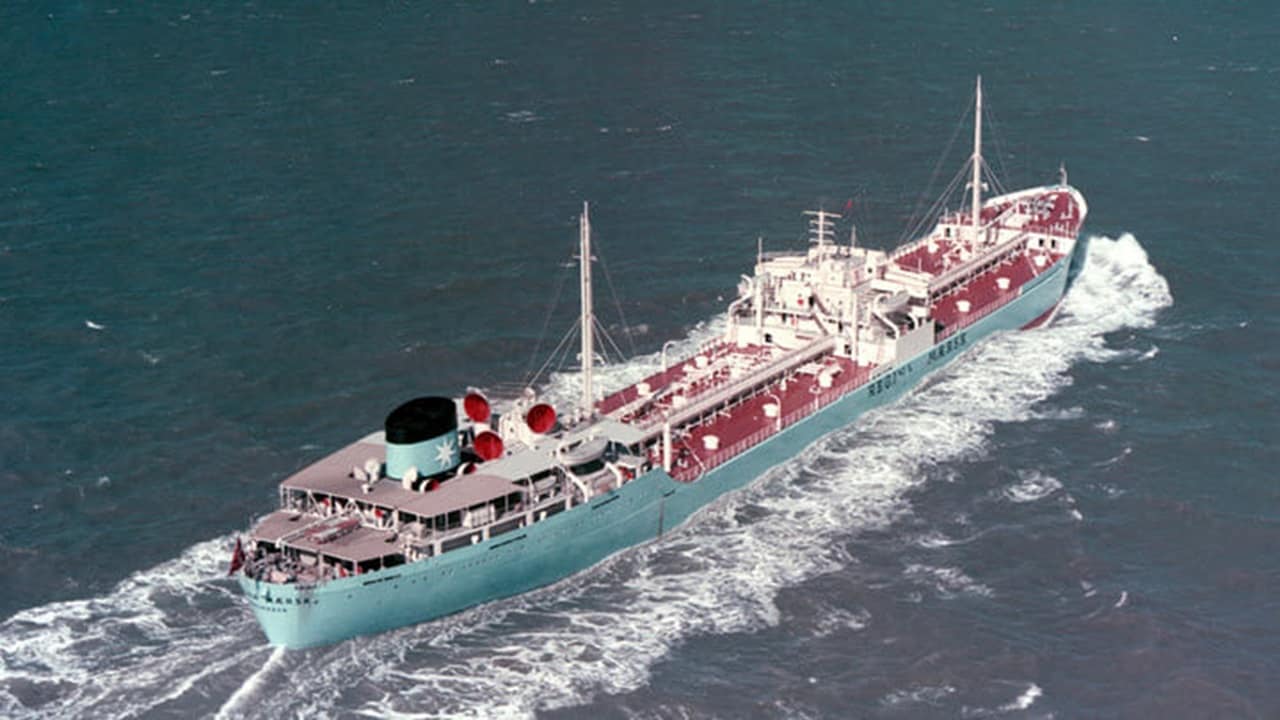
The Maersk logo features a white seven-pointed star on a light blue background. The REGINA MÆRSK was a new ship built by the Odense Steel Shipyard in 1955. It was also the first Maersk vessel to have its hull painted with the same light blue color. Within a few years all Maersk ships were using that color scheme.
A.P. Møller and the Svendborg and 1912 steamship companies were granted a 50-year concession to explore and extract raw materials from Denmark and its offshore holdings in 1962. This began A.P. Moller – Maersk’s entry in the oil and gas industry, as well as its off-shore services business.
That same year, a joint venture among the company and oil giants Shell and Gulf began. Named the Danish Underground Consortium (DUC), the joint venture benefited A.P. Moller, who had no prior experience in oil and gas exploration/extraction. The DUC extracted oil from the North Sea for the first time in 1972. By 1974 Maersk Oil had developed enough experience to share the management of the efforts. Twelve years later (1986), Maersk Oil took sole reins of North Sea exploration.
(Image: A.P. Møller – Mærsk)
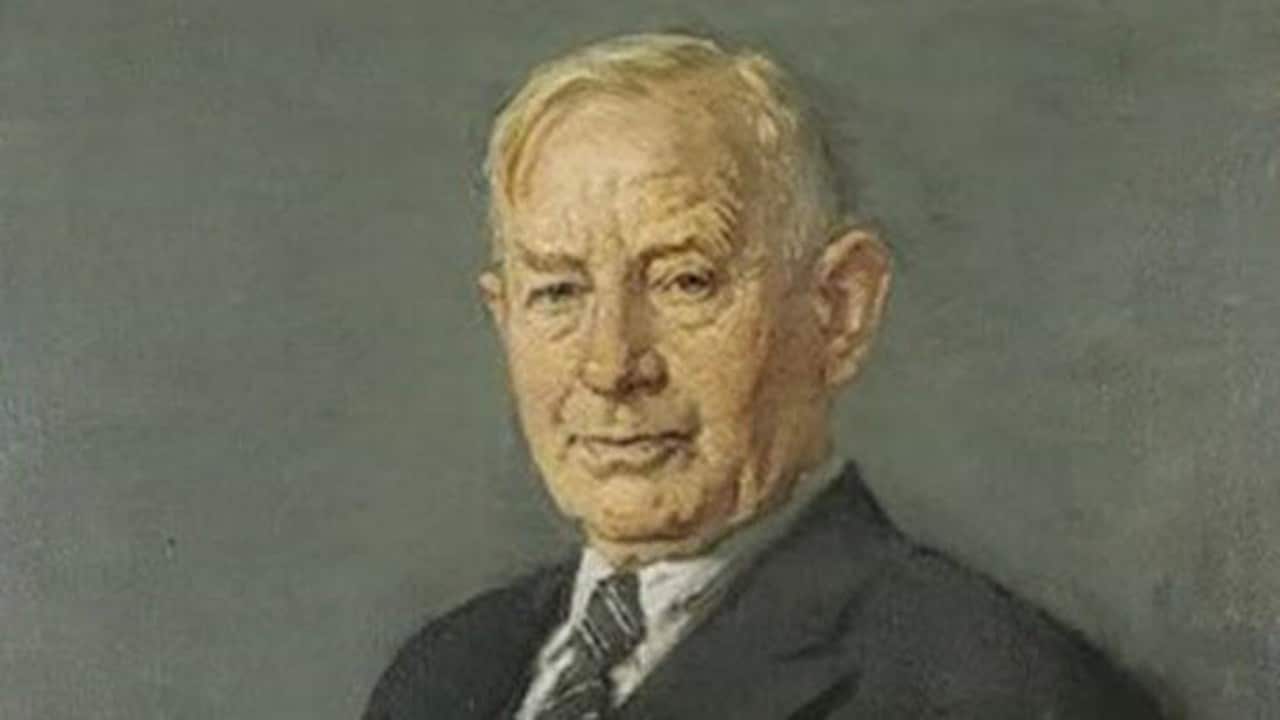
A.P. Møller died at the age of 88 in June 1965. When he died, the fleet that he had built comprised 88 ships – almost 50% of the total merchant fleet of Denmark. His son, Mærsk McKinney Møller, took over the management of the company.
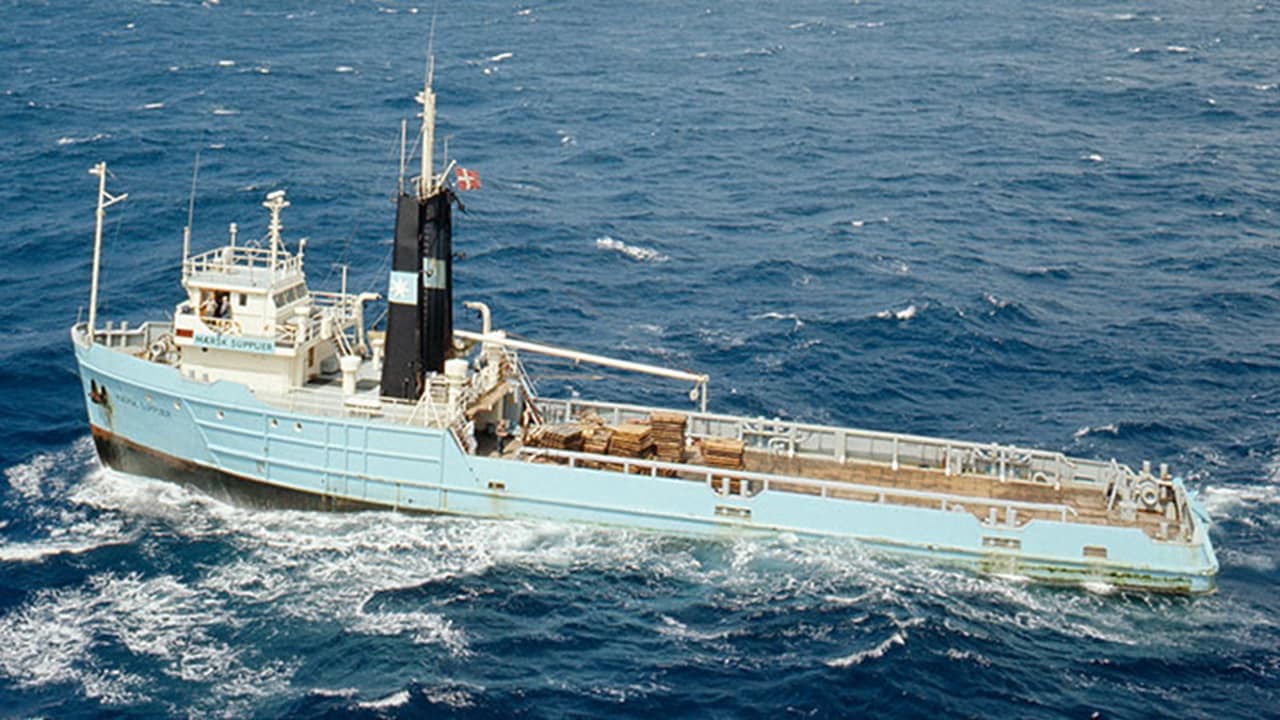
In 1967 another part of the business began – Maersk Supply Service. This occurred when two supply ships to serve the company’s oil rig were delivered. Seven years later (1974), Maersk Supply Service was established as an independent business within the A.P. Moller – Maersk Group.
Shipping and global trade changed forever when Malcom McLean developed standardized cargo containers. McLean not only changed maritime shipping for Maersk and its competitors, but also caused changes in the drayage, trucking and rail industries.
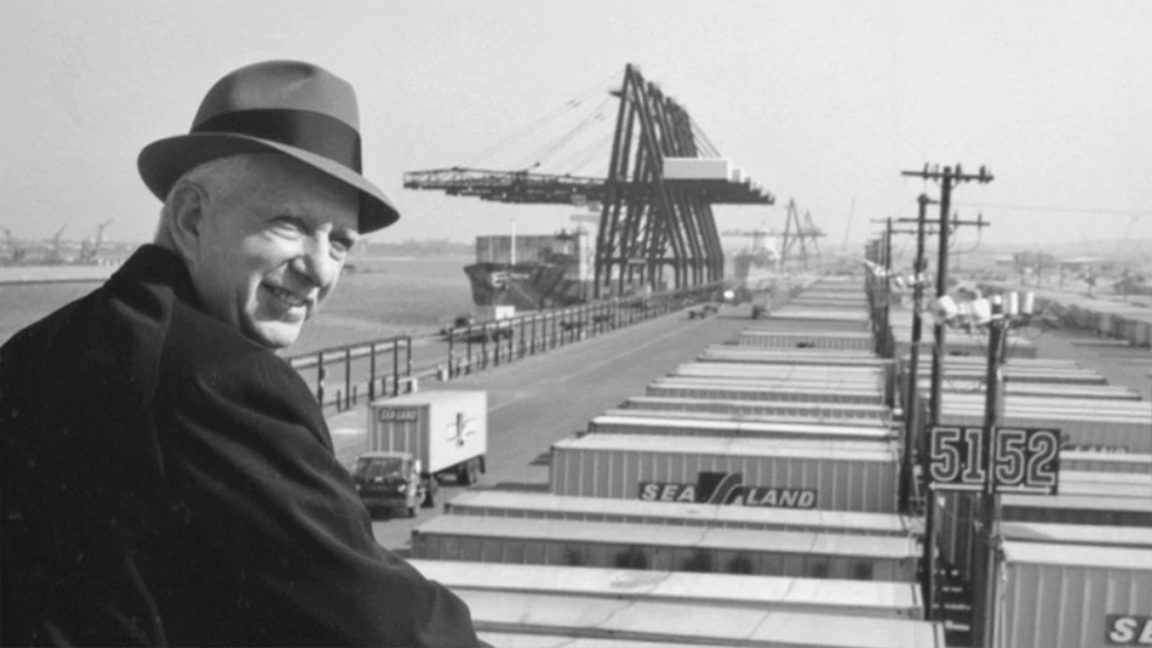
(Photo: americanbusinesshistory.org)
Maersk was not the first shipping line to embrace containerization. However, Maersk ordered nine container ships in 1975 and began containerized shipping on its original route. The company’s first container ship, the ADRIAN MÆRSK, left Newark, New Jersey, on September 5, 1975. Its cargo included 385 containers.

Containerization continued to grow, and to maximize cargo capacity, consolidation and utilization, Maersk started Mercantile, a freight forwarding business, in 1977. Over the decades this grew into Maersk Logistics and the company’s integrated supply chain services.
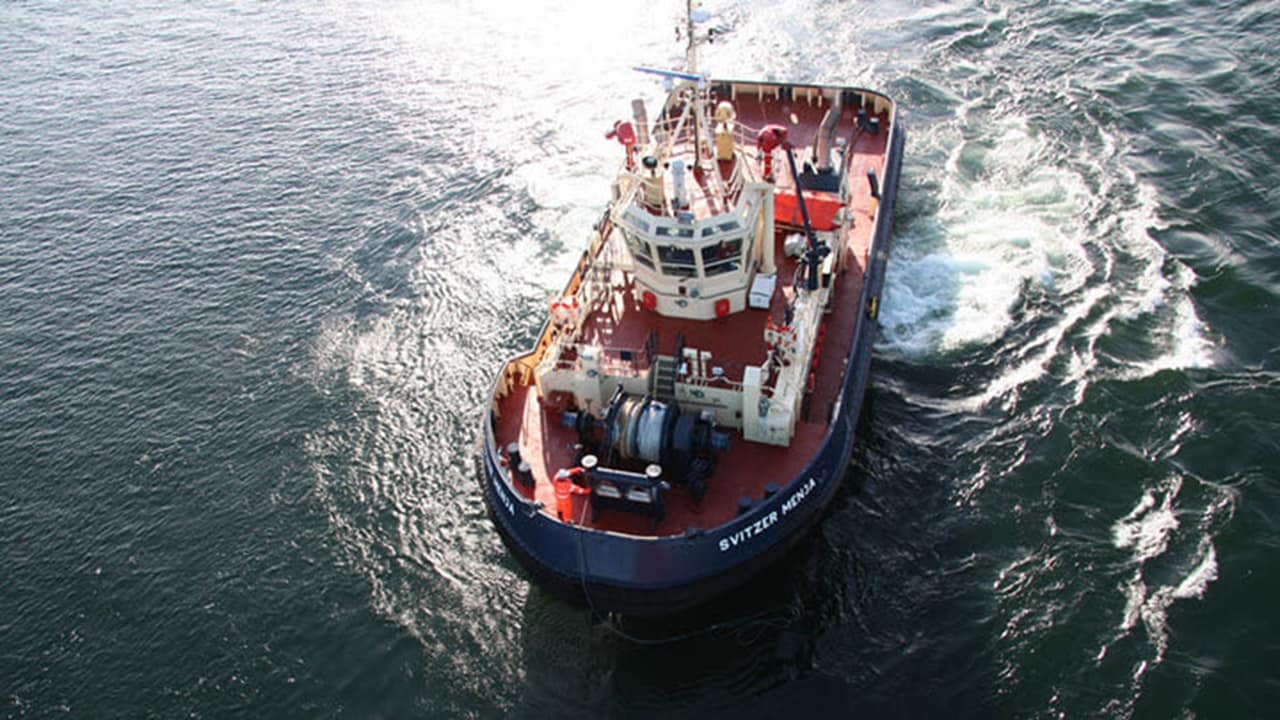
A.P. Moller – Maersk continued its expansion into affiliated maritime businesses in 1979, when it acquired Svitzer. A company that was almost 150 years old at the time it was acquired, Svitzer focused on specialized marine services such as “harbor, coastal, terminal/LNG, offshore and ocean towage as well as salvage operations, crew-boat and emergency-response services.”
(Photo: A.P. Møller – Mærsk)
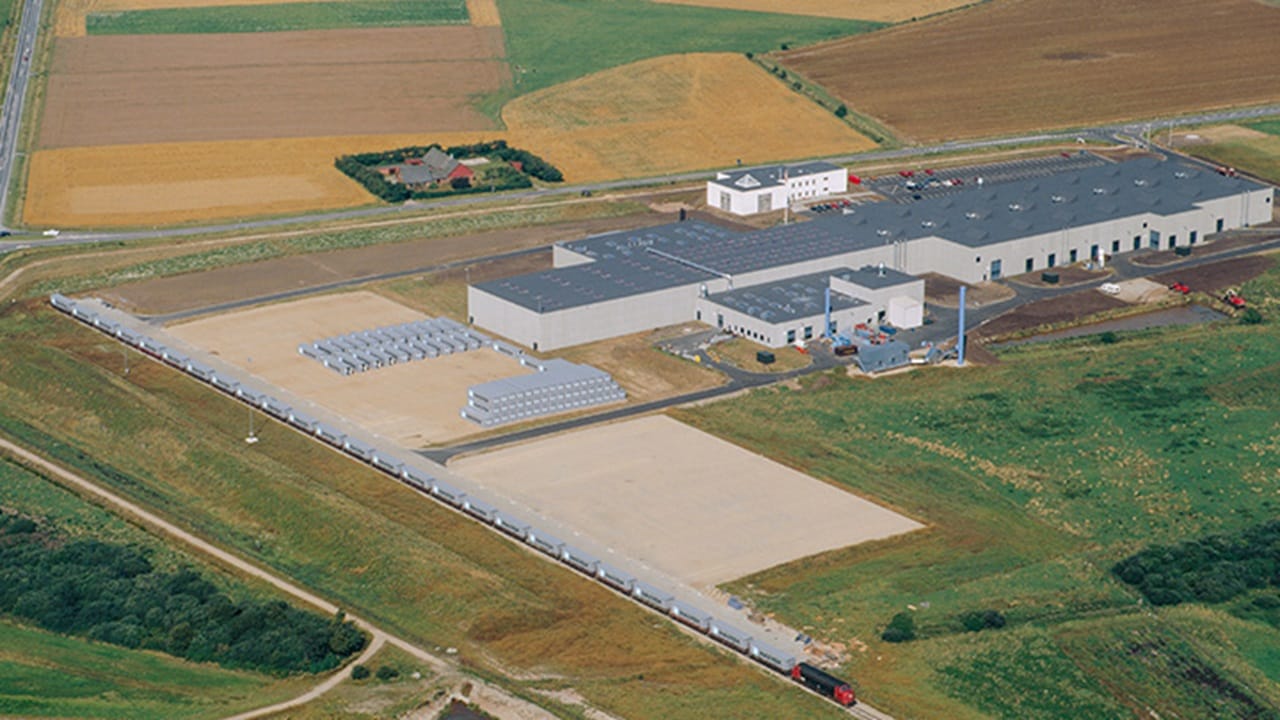
As noted above, the standardized shipping container revolutionized multiple shipping modes. Having dealt with containers for more than 15 years, the company began Mærsk Container Industry, or MCI, in 1991. MCI was founded to develop improvements and manufacture shipping containers. Its first manufacturing facility opened in Denmark. Within a few years, MCI was manufacturing not only dry containers, but refrigerated containers as well. The company built container manufacturing facilities in China. The first opened in 1998; the second in 2004. Now the company only manufactures refrigerated containers at a plant in Qingdao, China.
A.P. Moller – Maersk’s growth continued in 1993 when it acquired the liner business of EACBen Container Line Ltd. from Danish East Asiatic Company. With this acquisition Maersk Line became the largest container shipping company in the world.
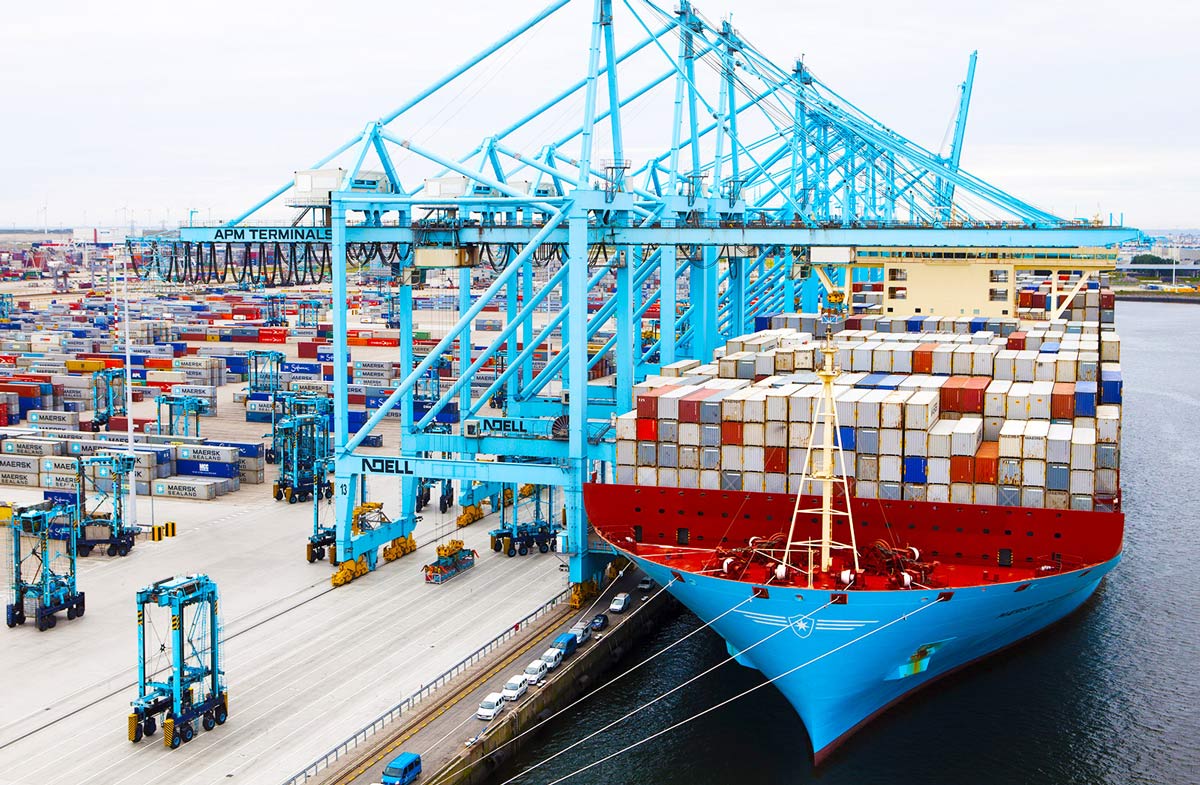
In 1999, the company acquired Sea-Land. This had been the company that Malcom McLean had led, and that changed the shipping of freight around the world. For more than 15 years the company had been investing in shipping terminals in strategic locations, and the Sea-Land acquisition increased its terminal portfolio. Two years later (2001) Maersk Line expanded its operations again, establishing APM Terminals. This became another independent unit of the company that provides port and inland infrastructure.
Almost a century after the original steamship company was founded in 1904, the first two companies in this now-huge company – the steamship companies – and all their partnerships and subsidiaries merged under the name A.P. Møller – Mærsk A/S in 2003.
In 1995, a merger of the British container shipping company P&O and the Dutch container shipping company Nedlloyd created P&O Nedlloyd. In 2005, A.P. Møller – Mærsk’s acquisitions/ industry consolidations continued when it purchased P&O Nedlloyd. In addition, as the integration was in process, the company also changed the Maersk-Sealand brand back to Maersk Line (as it had been prior to 2000).
On its website A.P. Møller – Mærsk admits that the “integration of one large, global organization into another large, global organization proved difficult, but eventually provided Maersk Line with a scale that would not have been possible through organic growth.” The company, which had been an industry leader for decades, truly became a global leader as it expanded and absorbed and integrated its many parts.
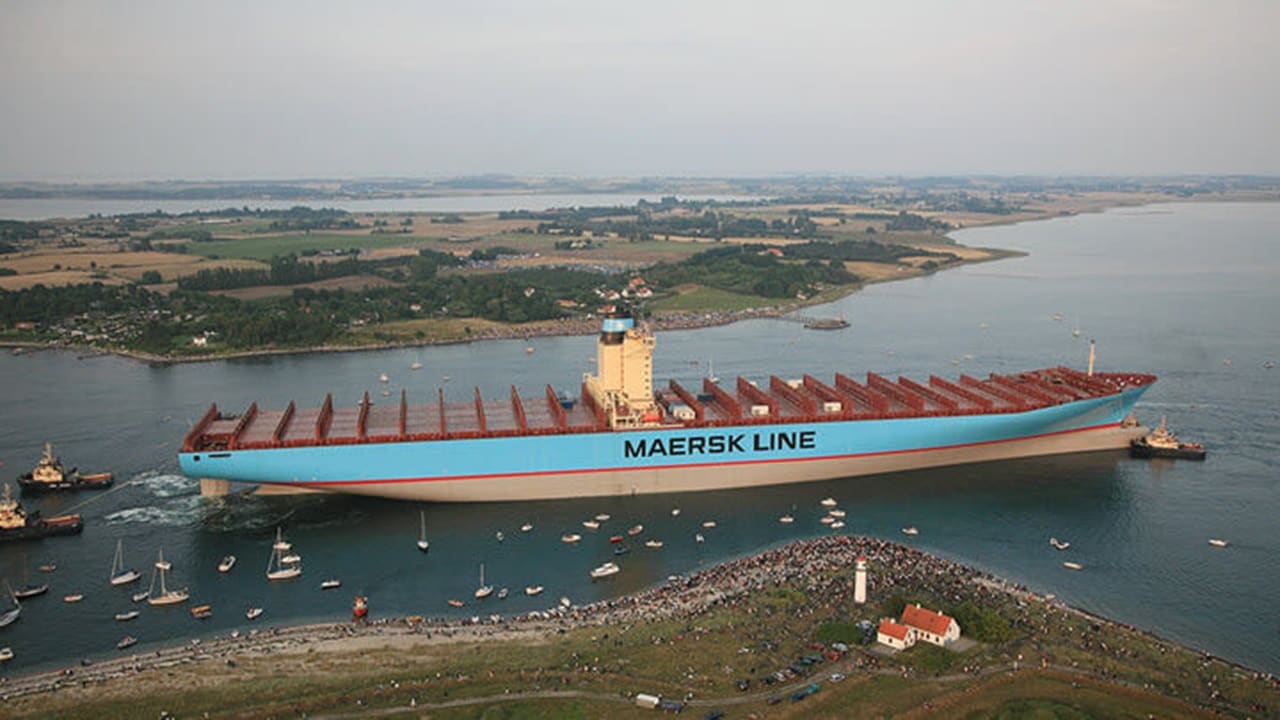
Prior to its closing a few years later, the Odense Steel Shipyard continued to build bigger and more advanced ships. In 2006 (for the third time in 10 years), it built the largest container vessel in the world. Named the EMMA MÆRSK, this ship was capable of carrying more than 15,000 twenty-foot containers. Just over 30 years earlier, the first Maersk container ship, the ADRIAN MÆRSK, had left Newark with 385 containers. Moreover, the company took ownership of seven more ships that were the same size as the EMMA MÆRSK.
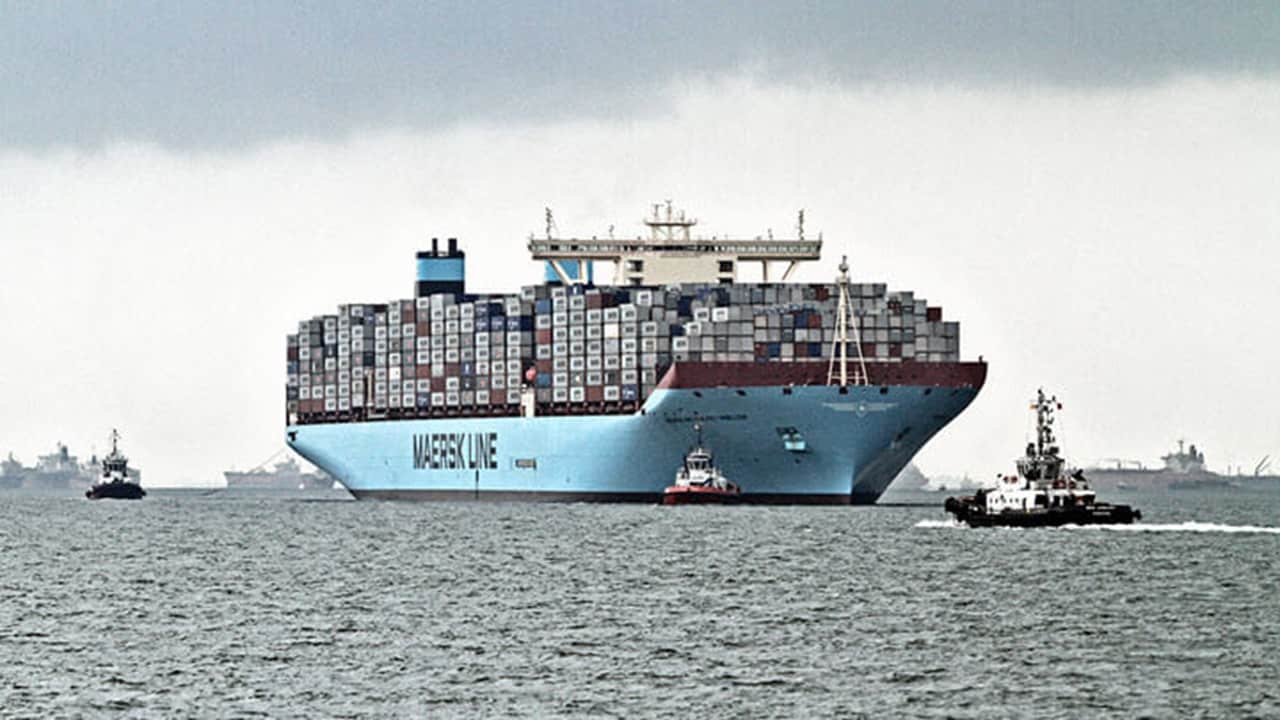
A few years later, in 2013, Maersk took delivery of the first Triple-E ultra-large container ship, which was even larger than the EMMA MÆRSK and its sister ships. When it was delivered, the MÆRSK MC-KINNEY MØLLER was the largest ship in the world. It measured over 1,312 feet long and could carry 18,000+ twenty-foot containers. Moreover, because of its design, Triple-E ships were more energy-efficient, which reduced their CO2 emission per container.
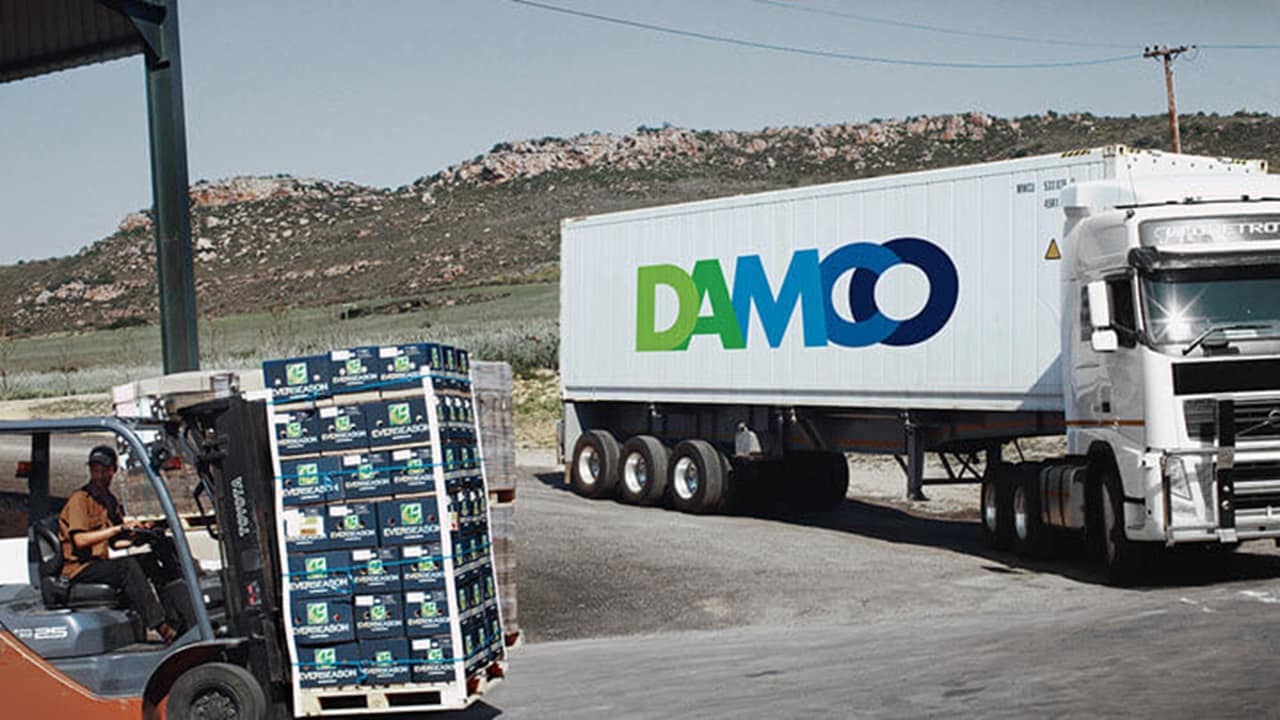
A.P. Møller – Mærsk began combining its various logistics-related brands in 1999. The Sea-Land acquisition that year came with a number of container terminals and logistics providers. As noted above, the company had started Mercantile in 1977, and integrated it and the Sea-Land logistics functions under the Maersk Logistics brand in early 2000. The 2005 P&O Nedlloyd acquisition included that company’s forwarding business (Damco Sea & Air, which had been founded a century earlier as C.W.H van Dam & Co.). In 2009 A.P. Møller – Mærsk combined Maersk Logistics and Damco under the DAMCO brand.
In late April 2015, the company opened APM Terminals Maasvlakte II container terminal in Rotterdam, Netherlands. When it opened it was the most technologically advanced, automated and sustainable container terminal in the world. It was the world’s first terminal to generate zero carbon emissions because it is powered by electricity generated by wind turbines.
Near the end of the third quarter of 2016 A.P. Møller – Mærsk announced that its management had made the strategic decision to reorganize the company, moving from a conglomerate of related companies to an integrated company focused on the transportation and logistics of containers.
As part of that decision, it meant that A.P. Moller – Maersk would divest its oil and natural gas-related businesses. A year later (September 2017), the company agreed to sell its shares in Maersk Tankers to APMH Invest, a wholly owned subsidiary of A.P. Møller Holding A/S (which is the controlling shareholder of A.P. Moller – Maersk).
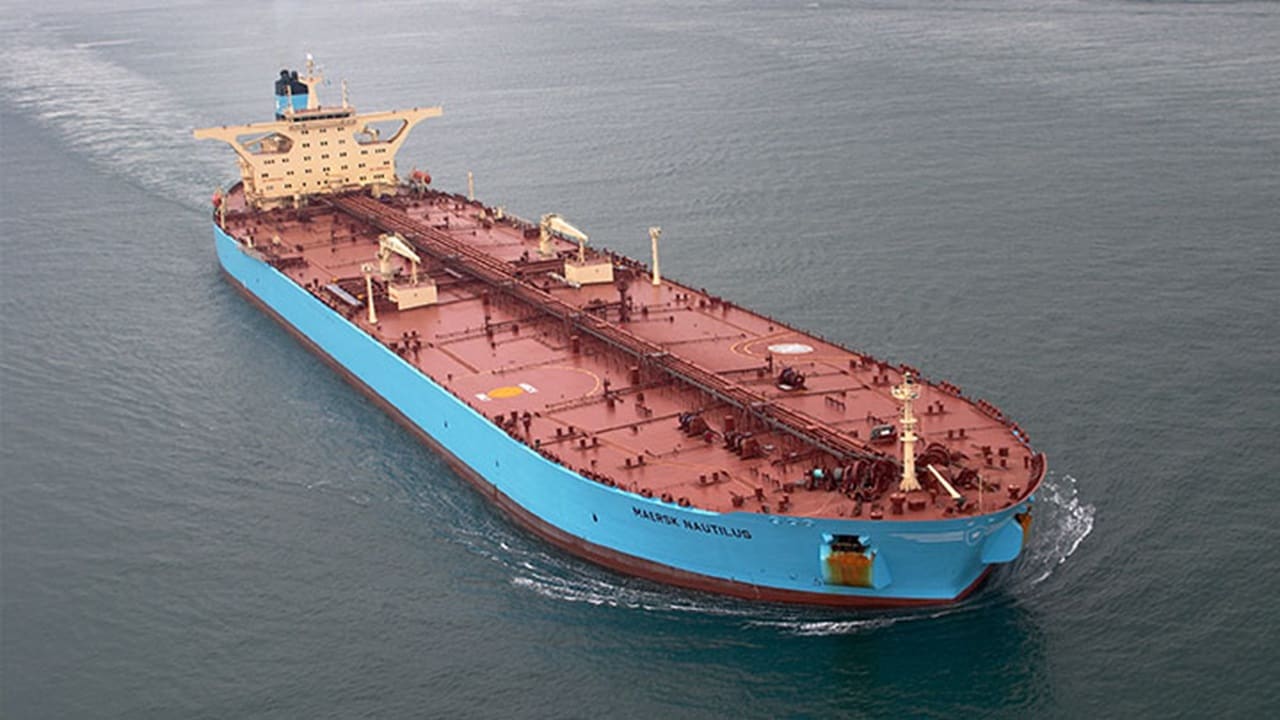
Maersk Tankers had been part of the company since 1928. A.P. Møller had ordered five oil tankers in 1927, and they became the first ships in the Maersk Tankers fleet a year later. That part of the company grew over time, and transporting crude oil was its primary business interest for 25 years (1950-1975). A few months after selling Maersk Tankers, the company sold Maersk Oil to TOTAL S.A. in March 2018.
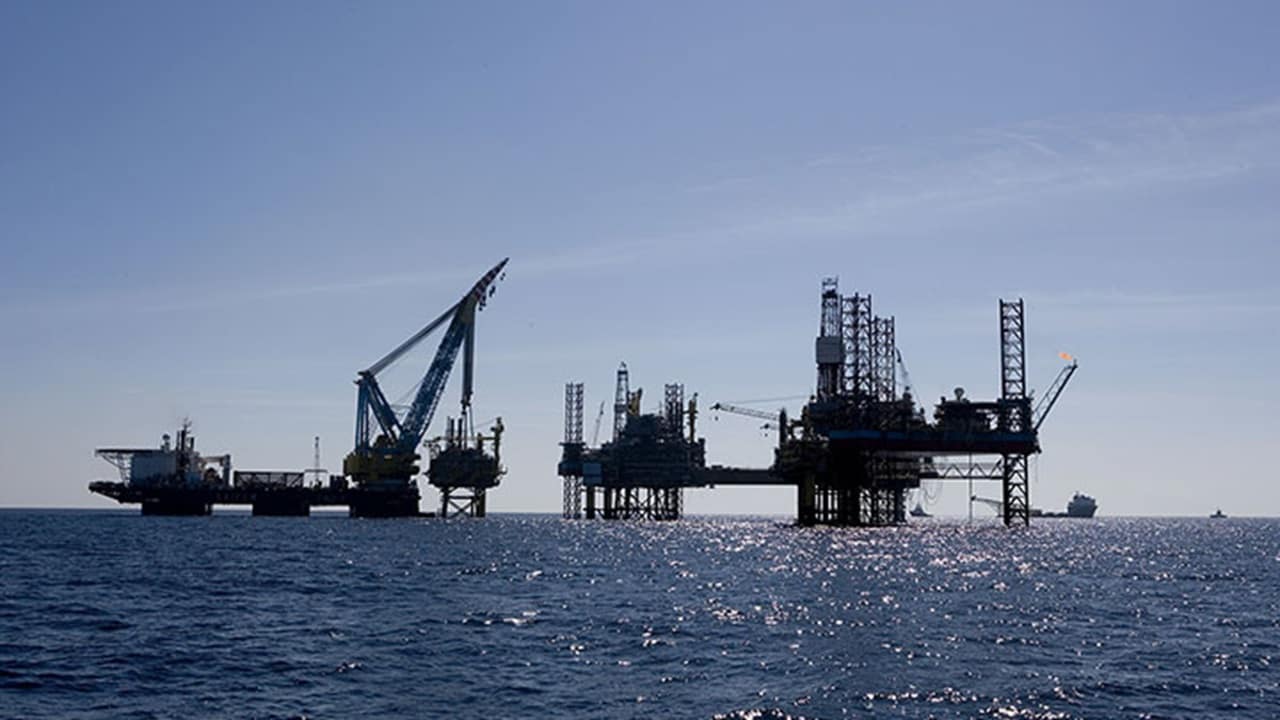
As noted above, A.P. Moller – Maersk’s involvement in the oil and natural gas industry began when the company was granted the exploration/extraction concession from the Danish government in 1962. Its involvement ended in April 2019, when the company began “the separation and demerger of Maersk Drilling and its activities. Subsequently Maersk Drilling became a separately listed company on Nasdaq Copenhagen.” The company had founded Maersk Drilling in 1972 to own/operate rigs for oil exploration companies.
The company’s latest acquisition (to date) took place in December 2017, when Maersk Line acquired what was then the world’s seventh-largest container shipping line, Germany’s Hamburg Süd.
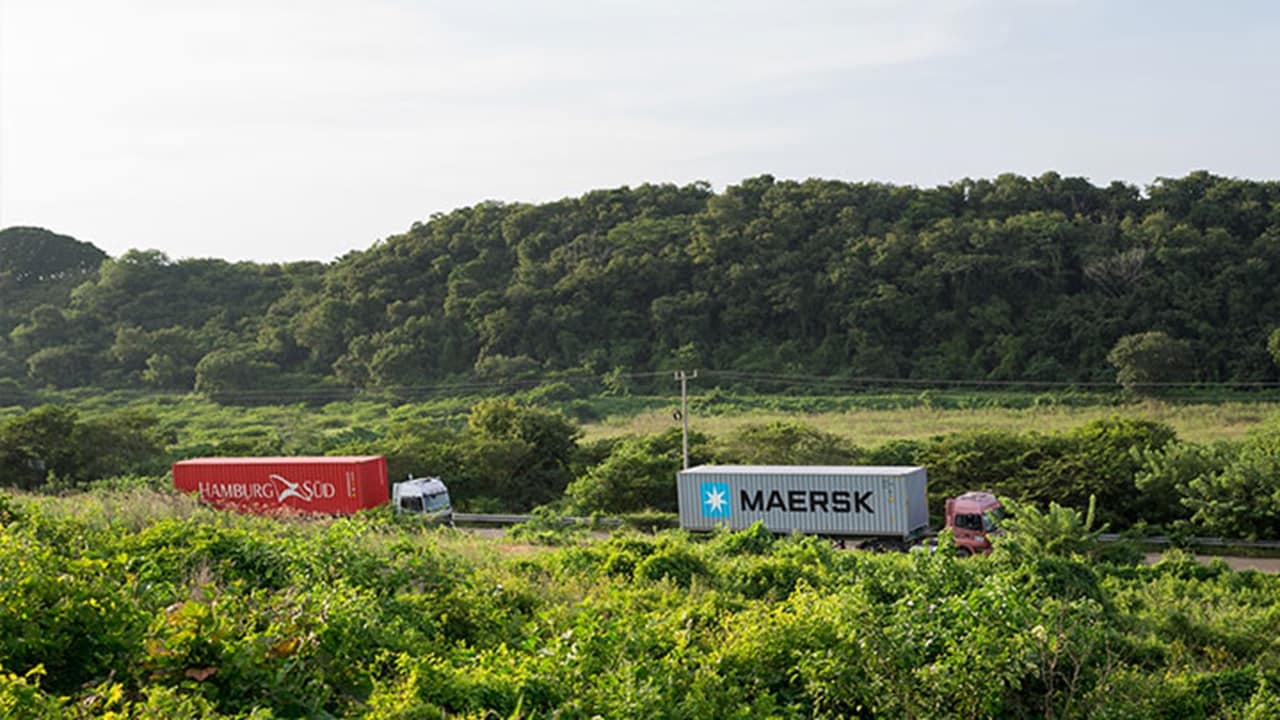
(Photo: A.P. Møller – Mærsk)
After learning more about A.P. Moller – Maersk, it seems clear that the company will continue to innovate and grow to meet the demands of the marketplace. It is a global leader in transportation and logistics, and that leadership will be needed to meet the challenges that are sure to arise in the years to come.
Recent Comments