

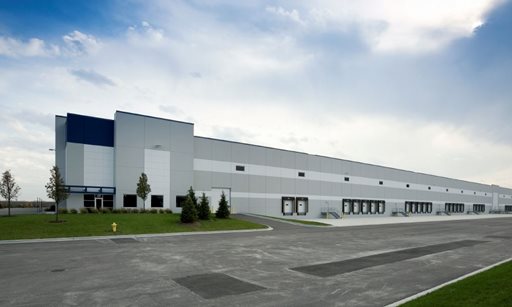
Industrial real estate professionals are experiencing increased growth and global demand for fresh fruits, vegetables, meats, seafood and dairy, as well as pharmaceutical and chemical products. The “cold supply chain” plays an integral role in the successful implementation of meeting the increased demands.
All of these products require the maintenance of very specific temperatures during the entire time the products are being processed and transported throughout entire the supply chain, and ultimately to the consumer. These strict temperature requirements make “cold” one of the most complicated supply chains to operate.
Most, if not all, of the major U.S. grocery stores carry fruits and vegetables from Mexico, South America and other places around the world. Cargo that includes fresh produce is unique in many ways, and different products require the maintenance of different temperatures to ensure their integrity throughout the travel process. This is because there are critical additional requirements, including air quality levels, oxygen, humidity controls and carbon dioxide. More premium products are coming into the market with a shorter shelf life, and these products have a greater sensitivity to temperature, and a much higher level of demand throughout the entire supply chain process.
An intensified focus on quality for the consumer experience means refrigerated warehouses across the food cold chain must maintain as many as five different temperature zones. This is necessary in order to avoid the changes in texture and taste that can occur when recommended temperatures are not meticulously maintained during product shipments.
Intelligent assets are helping retailers and suppliers ensure the quality of fresh foods in transit by making it easier to maintain unbroken temperature control. For instance, a growing number of refrigerated cargo containers can be monitored remotely and controlled using IoT devices and cloud-based software applications. Beyond standard refrigeration equipment, smart reefer containers can use ozone- generating units, venting valves and other measures to create optimal conditions for perishable products.
Pharmaceutical manufacturers are also dealing with very sensitive products, such as customized treatments for rare diseases. These products often include more high-value active ingredients that offer shorter shelf lives and carry strict temperature requirements. Many of these drugs require temperatures lower than 77°F, and others require -35°F to -46°F cold chain transportation. If these shipments are exposed to any variance in the designated temperature levels during the cold supply chain process, they could become ineffective or harmful to patients.
Another fast-growing drug category is controlled room temperature. These drugs are safe at room temperature but must be maintained there during transport using temperature-assured containers, such as reefers, to avoid the temperature spikes that can occur in ambient containers.
Cold chain logistics demands implementation at much higher levels of supply chain integration, because maintaining the necessary regulated temperatures requires a substantially higher level of control of all the processes involved. In certain cases, a third-party logistics (3PL) provider might purchase certain elements of the supply chain where the performance factors are most important. This could include the acquisition of a produce or dairy farm in order to ensure reliability throughout the entire process from the original source of the product all the way to the consumer.
Additionally, logistics companies must comply with each country’s regulations and maintain the strictest requirements. Another critical part of the cold chain includes the documentation that is required. Specific protocols and guidelines have been established to maintain proper records throughout each step of the supply chain, as incomplete or deficient customs paperwork can create unintended and costly delays. As a result, many drug makers raise prices across their supply chains to account for the specialty handling risks and additional regulations.
Two of the organizations that carry significant regulatory weight are the combined forces of the U.S. Food and Drug Administration (FDA) and the International Conference on Harmonization of Technical Requirements for the Registration of Pharmaceuticals for Human Use (ICH). The FDA co-founded the ICH with the European Community in 1990, and its goal was to create a synchronized approach to understanding and applying specific technical guidelines for drug manufacturers on a global basis. This has resulted in the elimination of replicating costly regulatory processes and established more efficient manufacturing, processing and distribution methods globally. The jurisdiction of the FDA is primarily in the U.S. and Puerto Rico, whereas the ICH is an international entity involving the U.S., the European Union, and Japan.
Some of the current challenges that companies and their cold supply chains are encountering include continuing sizeable growth of global demand for quality products, new regulations that are still developing and changing, utilization of rapidly updated and enhanced technologies, demand for new energy efficient operations and the need for companies to drive costs.
One example of real estate companies responding to the increased demand for cold storage industrial space is Bridge Development Partners’ newly formed joint venture with PGIM Real Estate to acquire and develop cold storage properties across the U.S.
“As the online food delivery market in the U.S. continues to grow, the need for cold storage industrial space is skyrocketing and we expect the pace of demand to continue on that trajectory,” said Darin Bright, managing director and senior portfolio manager for PGIM Real Estate’s U.S. core-plus investment strategy. “Our joint venture with Bridge—beginning with our acquisition of a seed asset in Chicago’s most sought-after industrial submarket—positions us for success as we establish a best-in-class cold storage portfolio nationally on behalf of our investors.”
The cold chain continues to evolve and is becoming more reliable as new technologies, efficiencies and regulations emerge. Ensuring that foods, pharmaceuticals, chemicals and other chilled products retain their safety and integrity is both a priority and a moving target for cold chain operators. Growing consumer demands, tightening regulations and additional security requirements are continuing to impact the cold supply chain, emphasizing an ongoing demand for more efficiencies and new technologies going forward into the future.
About the author
Elise Couston is senior managing director with Chicago’s Newmark Knight Frank.
Recent Comments