
Tech News, Magazine & Review WordPress Theme 2017
  • Home
  • Supply Chain Updates
  • Global News
  • Contact Us
  • Home
  • Supply Chain Updates
  • Global News
  • Contact Us
No Result
View All Result
No Result
View All Result
Home Supply Chain Updates

Resilience360 Annual Risk Report Reveals Impacts of 2019 Supply Chain Disruptions, Predicts 2020 Supply Chain Risks

usscmc by usscmc
February 28, 2020
Resilience360 Annual Risk Report Reveals Impacts of 2019 Supply Chain Disruptions, Predicts 2020 Supply Chain Risks
Share on FacebookShare on Twitter

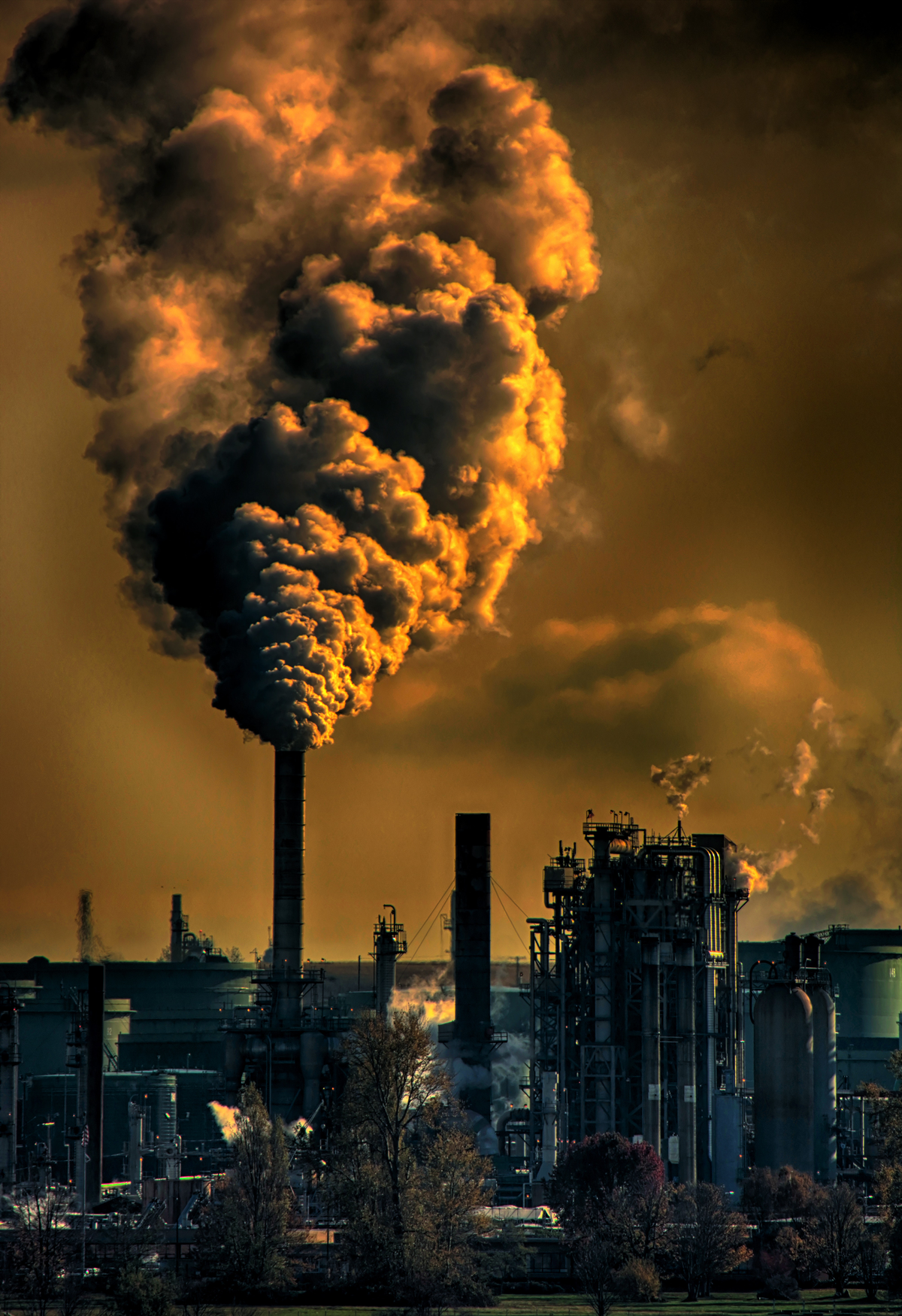
Photography Of Factory 929385

Photo by Chris LeBoutillier from Pexels

The annual Risk Report from supply chain risk management platform Resilience360 by DHL summarizes the significant supply chain challenges of the last 12 months and analyzes their impact. Over the past year, Resilience360 analytics identified thousands of major events that resulted in significant supply chain disruptions. These included industrial fires and explosions, industrial action, civil unrest and protests, port disruptions, cargo and border delays, trade disputes, production halts, and natural disasters.

In addition, the annual Risk Report predicts the Top 10 supply chain risks for 2020: a summary of threats that deserve particular attention throughout 2020 and beyond. 

Eight of the ten predictions from the 2019 Resilience360 Risk Report created significant disruptions to supply chains over the last 12 months.

“2019 proved once again that the supply chain risk environment is continually changing and evolving. Last year, companies were challenged by a dramatic escalation in trade tensions and by sophisticated and large-scale cyberattacks,” said Tobias Larsson, chief executive officer, Resilience360. “At the same time, production and logistics operations had to cope with a broad range of disruptive events, including natural disasters, industrial fires and explosions, production restrictions, labor disputes, port disruptions, and cargo and warehouse theft.”

Larsson continued, “The recent coronavirus outbreak has demonstrated that disruptive events can impact demand as well as supply.  It has also highlighted the divide between companies that are able to dynamically visualize and monitor supply chain risks and those that are unable to. The financial and reputational cost of not being able to predict and respond to supply chain risk is more apparent than ever.”

Some insights from the Resilience360 Risk Report:

  • Resilience360 reported a large number of high impact incidents that had a significant operational impact for supply chains, with industrial fires (27.2 percent), earthquakes (22.7 percent), and cargo & warehouse theft (18.3 percent) featuring most prominently.  
  • Weather was a contributing factor to ground transportation disruptions across North America. In March, a series of weather events triggered extreme flooding in eastern Nebraska, western Iowa, northeast Kansas, and northwest Missouri, and caused extensive transportation disruptions for rail-dependent and single-road-dependent local producers in industries such as ethanol, medical devices, and agricultural equipment.  
  • In EMEA the UK had the most incidents, followed by Germany and France, which are the largest economies in the region. Together, these countries accounted for almost half (49%) of all incidents reported in Europe and included cargo thefts, fires, and ground transportation disruptions. Following the top three countries are the Netherlands, Russia, Italy, and Spain, all of which have significant supply chain relevance.
  • In LATAM, 2019 supply chain disruptions were highest in October (8.79 percent) and July (8.78 percent), making up over 17 percent of total annual incidents reported by Resilience360 throughout the year. For the region, earthquakes and cargo and warehouse theft featured as the top two high impact incident categories.
  • In the Asia Pacific region, earthquakes account for 37% – the highest – of all high impact events that were covered. Eight out of ten major earthquakes in 2019 with the highest number of casualties were from Indonesia, Pakistan, the Philippines, and China. The figure also accounts for earthquakes with lower magnitudes from countries like Japan and New Zealand. Subsequent disruptions caused by earthquakes – such as structural collapse, roadway disruption due to debris, and power outages – also affected manufacturing and logistics operations.
usscmc

usscmc

No Result
View All Result

Recent Posts

  • How Hapag Lloyd captured a major market share in the Container Shipping Industry in USA
  • Why USA’s East Coast is the Favorite Destination for Manufacturing Companies
  • How Trade Relations Between the USA and UK Improved After Keir Starmer Became Prime Minister
  • Tips and Tricks for Procurement Managers to Handle Their Supplier Woes
  • The Crazy Supply Chain of Walmart Spanning Across the Globe

Recent Comments

  • Top 5 Supply Chain Certifications that are in high demand | Top 5 Certifications on Top 5 Globally Recognized Supply Chain Certifications
  • 3 Best Procurement Certifications that are most valuable | Procurement Newz on Top 5 Globally Recognized Supply Chain Certifications

Archives

  • July 2024
  • June 2024
  • May 2024
  • April 2024
  • March 2024
  • February 2024
  • January 2024
  • December 2023
  • November 2023
  • October 2023
  • September 2023
  • August 2023
  • July 2023
  • June 2023
  • May 2023
  • April 2023
  • March 2023
  • February 2023
  • January 2023
  • December 2022
  • November 2022
  • October 2022
  • September 2022
  • August 2022
  • July 2022
  • June 2022
  • May 2022
  • April 2022
  • March 2022
  • February 2022
  • January 2022
  • December 2021
  • November 2021
  • October 2021
  • September 2021
  • August 2021
  • July 2021
  • June 2021
  • May 2021
  • April 2021
  • March 2021
  • February 2021
  • January 2021
  • December 2020
  • November 2020
  • October 2020
  • September 2020
  • August 2020
  • July 2020
  • June 2020
  • May 2020
  • April 2020
  • March 2020
  • February 2020
  • January 2020
  • December 2019
  • November 2019
  • September 2019

Categories

  • Global News
  • Supply Chain Updates

Meta

  • Log in
  • Entries feed
  • Comments feed
  • WordPress.org
  • Antispam
  • Contact Us
  • Disclaimer
  • Home
  • Privacy Policy
  • Terms of Use

© 2025 www.usscmc.com

This website uses cookies to improve your experience. We'll assume you're ok with this, but you can opt-out if you wish. Cookie settingsACCEPT
Privacy & Cookies Policy

Privacy Overview

This website uses cookies to improve your experience while you navigate through the website. Out of these cookies, the cookies that are categorized as necessary are stored on your browser as they are essential for the working of basic functionalities of the website. We also use third-party cookies that help us analyze and understand how you use this website. These cookies will be stored in your browser only with your consent. You also have the option to opt-out of these cookies. But opting out of some of these cookies may have an effect on your browsing experience.
Necessary
Always Enabled
Necessary cookies are absolutely essential for the website to function properly. This category only includes cookies that ensures basic functionalities and security features of the website. These cookies do not store any personal information.
Non-necessary
Any cookies that may not be particularly necessary for the website to function and is used specifically to collect user personal data via analytics, ads, other embedded contents are termed as non-necessary cookies. It is mandatory to procure user consent prior to running these cookies on your website.
SAVE & ACCEPT
No Result
View All Result
  • Home
  • Supply Chain Updates
  • Global News
  • Contact Us

© 2025 www.usscmc.com