

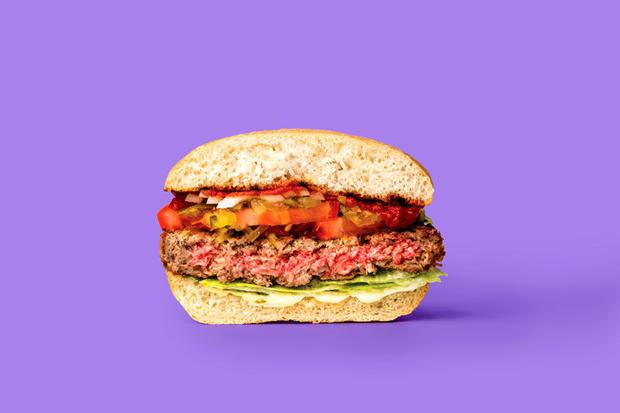

To keep up with high consumer demand, the organic supply chain must innovate to track inventory, provide transparency into its plant-based products and maintain food safety compliance. By implementing track-and-trace technology like embedded IoT sensors and automation tools, brands can optimize their plant-based supply chain and keep up with rapid growth.
This means the food industry needs to prepare its supply chain to handle the growing demand of plant-based products. To learn more, Digital Journal caught up with Joe Scioscia, VP of Sales at VAI.
Digital Journal: How big is the plant-based food market set to become?
Joe Scioscia: While many suppliers and retailers have been offering meat alternatives for a while, the plant-based industry has recently taken off, due to the boom of Impossible Foods and Beyond Meat. The market is now valued at $4.5 billion, and more food retailers and restaurant chains have entered the game with their own offerings. This shift poses new challenges for the food supply chain, considering restaurant and grocery suppliers are now sourcing plant-based products and ingredients – further testing the global food industry.
While this might pose new factors for the supply chain, the plant-based boom is only set to get bigger as more people want healthier, sustainable diets. Many restaurants and chains are putting big bets on plant-based options, even if for a limited time, and we’ll see more of these product lines roll out in 2020.
DJ: What is driving this lifestyle change?
Scioscia: Today’s consumers are more aware of how their habits impact the world, in addition to their bodies, whether this means transitioning to more vegetarian-friendly alternatives or wanting to live more sustainability. Both of these lifestyle changes are fueling the plant-based market, which is then driving the food industry to quickly adapt to their consumers’ new diets. The desire for sustainable options also comes with a demand for more transparency into the food industry, including farm to fork and organic options and the ability for consumers to trace products back to their origin. All of this is influencing food supply chains to provide this transparency and pledge to offer more sustainable and healthy options for their customers.
DJ: What are the major supply chain challenges for plant-based and organic foods?
Scioscia: The major challenges for plant-based and organic foods is ensuring food safety compliance at every step of the process. The desire for supply chain transparency goes hand in hand with preventing food-borne illnesses, which are still major challenges for businesses. A plant-based alternative, for example, might source over 10 different plant ingredients – each with their own temperature and handling instructions that have to be strictly followed. This means that producers, suppliers, and retailers have to communicate at every step to make sure the product is fresh and safe to consume. While the industry has made huge strides towards reducing food-borne illnesses, the food industry is also more complex today, which is presenting some new safety challenges.
DJ: What are the main parameters that need to be assessed?
Scioscia: The main parameters that organizations must assess are FDA food safety considerations under the Food Safety Modernization Act (FSMA), which lays out specific guidelines for handling products to prevent food-borne illnesses. To address these parameters and the challenges outlined in the previous question, food suppliers and distributors have turned to technology such as an ERP food solution. Applications such as track and trace and inventory planning allow businesses to manage their products in real-time and automatically control things like temperature and route management. An ERP system with food parameters built in can make the difference for many of these suppliers and allow for full visibility into all processes – which is extremely crucial for FSMA guidelines.
It’s no longer an option to leave food-borne illnesses up to chance when we have the tools to create preventative systems that meet food safety regulations. As the supply chain becomes more complex with the addition of plant-based products, technology solutions will allow organizations to continue improving efficiencies to avoid costly recalls.
DJ; How important is digital media for this?
Scioscia: Digitization and technology are crucial in helping food suppliers and retailers improve transparency in the supply chain. For example, mobile insights are allowing workers to track and trace products in real-time and make smarter decisions about inventory. Mobile and analytic applications are also able to connect to a larger database to ensure everything is tracked at each point of the supply chain. Some bar-code applications might even eventually allow for products at the grocery store to be traced back to their origin with a quick picture, although this is still far away. For now, the plant-based boom showcases consumer demand for sustainability in food, and this trend has trickled into the supply chain. With technology and software solutions, organizations are better able to implement sustainable practices and communicate this to their customers.
DJ: Which types of companies are you working with?
Scioscia: VAI works with many food distributors and manufacturers across industries including candy & tobacco, meat, seafood, poultry, produce, bakery, dry goods, flavorings and spices, beverages, and frozen foods. Due to the regulatory requirements of the food sector, companies in the food supply chain require specific software applications, which is why they choose VAI.
Recent Comments