

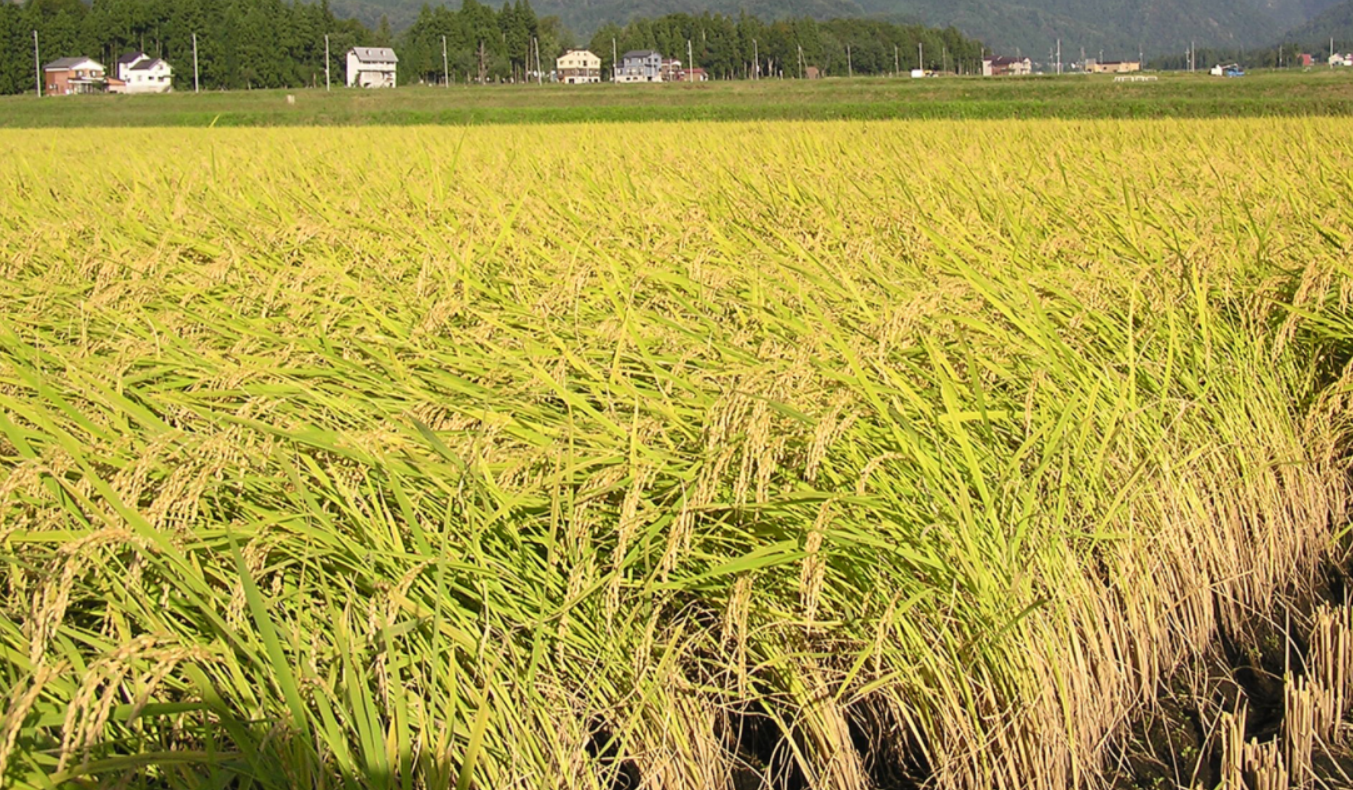

Paddy farmers, who form a large part of the farming community in Tamil Nadu, have incurred heavy losses for 18 consecutive years till 2016-17 despite an increase in production. With around 40% of the people of the state dependent on agriculture and allied services, the fears of the farmers warrant more attention.
The farmers’ demands for the revision of the minimum support price (MSP) as per recommendations of the Swaminathan Commission are long pending.
The MSP for paddy has increased only by Rs 868 over the last decade while their input costs have increased drastically with the government slowly withdrawing its protections to the farming community. Farmers say the three Farm Laws will further suffocate them, leaving them to the mercy of corporate players.
PRODUCTION ON AN INCREASE
The agriculture sector contributes 21% of the Gross State Domestic Product (GSDP), making it one of the top three contributors to the GSDP; only behind services and manufacturing. The emergence of industries and the service sector has overtaken the contribution of agriculture to the GSDP.
An increase in urbanisation and industrialisation coupled with the step-motherly policies of the government have contributed to the decline of the farmers’ income as well. Their contribution to the GSDP has increased to Rs one trillion in 2019-20 from Rs 833 billion in the previous year.
The state is known for producing paddy, millets, pulses, oil seeds, sugarcane and cotton. Small and marginal farmers, who account for around 93% of the farming community, hold around 62% of the land.
Area in Lakh Hectares: LMT- Lakh Metric tonnes. Source: NABARAD State Focus Paper 2020-21
Only paddy and sugarcane are procured by government agencies as per the MSP while other crops are sold in the market as the prices are higher than the MSPs prescribed.
WHAT DOES HIGH PADDY PROCUREMENT MEAN FOR FARMERS?
The paddy procurement by the Tamil Nadu Civil Supplies Corporation (TNCSC) has registered an all-time high. The total procured quantity is 30.24 lakh tonnes from 5.34 lakh farmers. The number of farmers supplying paddy to the TNCSC has reduced, but the quantum has increased over the last two years. Earlier, production and procurement were low due to the drought in the year 2016-17.
Dr. R. Gopinath, a senior scientist at the MS Swaminathan Research Foundation said: “The procurement could have increased but the number of households selling paddy to the government agencies remain relatively low. As per details available, out of 1,000 households only 95 between July-December, 2012, and 44 in January-June, 2013, sold their paddy in government mandis”.
This effectively means that a large number of farmers are selling their paddy to the private agents at a much lower price than the MSP, with the administrative lethargy playing a major role.
The report by the Commission for Agricultural Costs and Prices (CACP) has admitted that the market price of paddy was much lesser than the MSP on 116 days out of the 119 days that the prices were reported. The report also conceded that ‘the all-India average market price remained below the MSP for the last five marketing seasons’.
Source: CACP’s Price Policy for Kharif Crops, Marketing Season 2020-21
P.Shanmugam, state secretary of All India Kisan Sabha (AIKS) said: “The high yield has nothing to do with any policies by the state or union governments. The timely monsoon rainfall and the untiring efforts of the farmers have resulted in a high yield and procurement. The MSP, which is much below the demand made by the farmers won’t help them overcome the crisis they have been facing for the past decade”.
MSP: LOW COMPARED TO EXPENSES?
Claims made by the state and union governments of defending the rights of the farmers and ensuring MSPs are far from reality. Chief Minister Edappadi K. Palaniswami has been persistent in his support to the three Farm Laws, much to the disappointment of the farming community.
The fear that MSP and state procurement will be abolished if the laws come into force is gripping farmers, forcing them to strengthen their struggles. The existing assured MSP for crops, though much lesser than what the farmers’ demand, faces the threat of becoming non-existent.
Source: CACP’s Price Policy for Kharif Crops, Marketing Season 2020-21
The union government has announced an increase of Rs 53 in the MSP for paddy for the year 2020-21. One quintal of common paddy will get a farmer Rs 1,868 while Grade A paddy will give them Rs 1,888.
The state government provided a bonus of Rs 50 and Rs 70 respectively for common and grade A paddy during the 2019-20 season, while the government of Kerala provided an increase of Rs 880 and Rs 860 respectively during the same season.
“The increase in the MSP is much lesser than what the farmers have demanded. The party heading the union government at the moment had promised during the 2014 election campaign that it will implement the recommendations of the Swaminathan Commission report if it comes to office. Even after completing six years in office, the government has done nothing to fulfil their promise,” added Shanmugam.
The BJP promised to fix the minimum support price (MSP) at 1.5 times the comprehensive cost of production (C2+50 per cent, C2 is comprehensive cost which includes all actual paid-out costs plus including value of family labour, rental value of land and interest on value of own fixed capital assets excluding land).
LOSSES CONTINUE FOR YEARS
The increasing input costs and reduced product cost have pushed the farmers into deep debt in the last couple of decades. NCRB data from 2019 revealed an increase in farm suicides by six per cent in the state.
The state continues to be one of the largest paddy producers, ranking sixth with six million metric tons produced in the marketing year 2019-20. Despite such production, the farmers had continued to register losses until 2016-17.
“If the revised cost, C2 for paddy alone is considered, the farmers have been encountering losses for 18 consecutive years between 1998-99 and 2016-17. The loss varied from Rs 2,000 to Rs 16,000 during the period, leaving the farmers in a debt trap,” added Dr. Gopinath.
The CACP recommendation for an increase of Rs 53 for the two varieties of paddy has been made without considering the ground reality of increasing input costs, says the farmers’ association.
The report submitted in 2018 by the Committee on Doubling Farmers’ Income speaks volumes about introducing technology in farming and adopting new methodologies to improve production. The committee forecasts a doubling of income in 2022-23, which the farmers feel is a remote possibility given the existing circumstances.
Recent Comments